
Last updated November 24, 2026
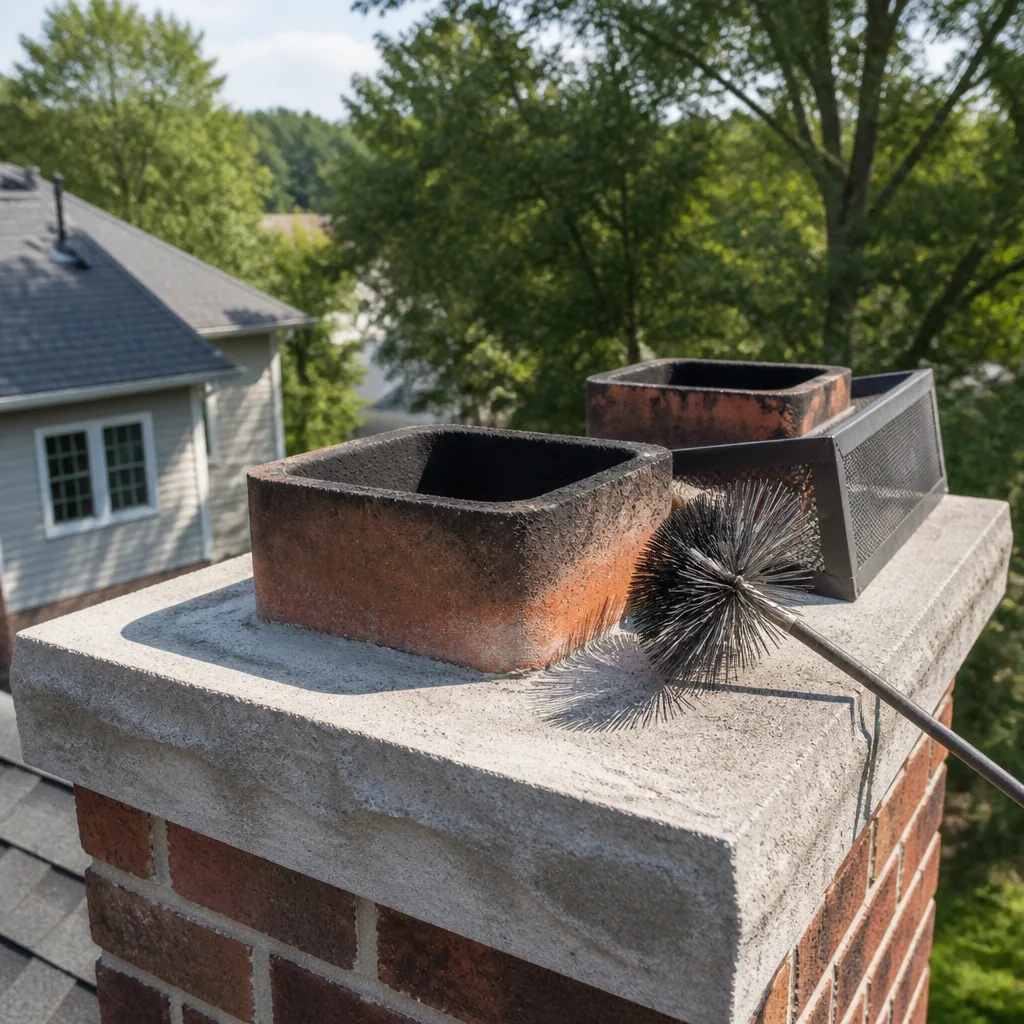 Sweep & inspection
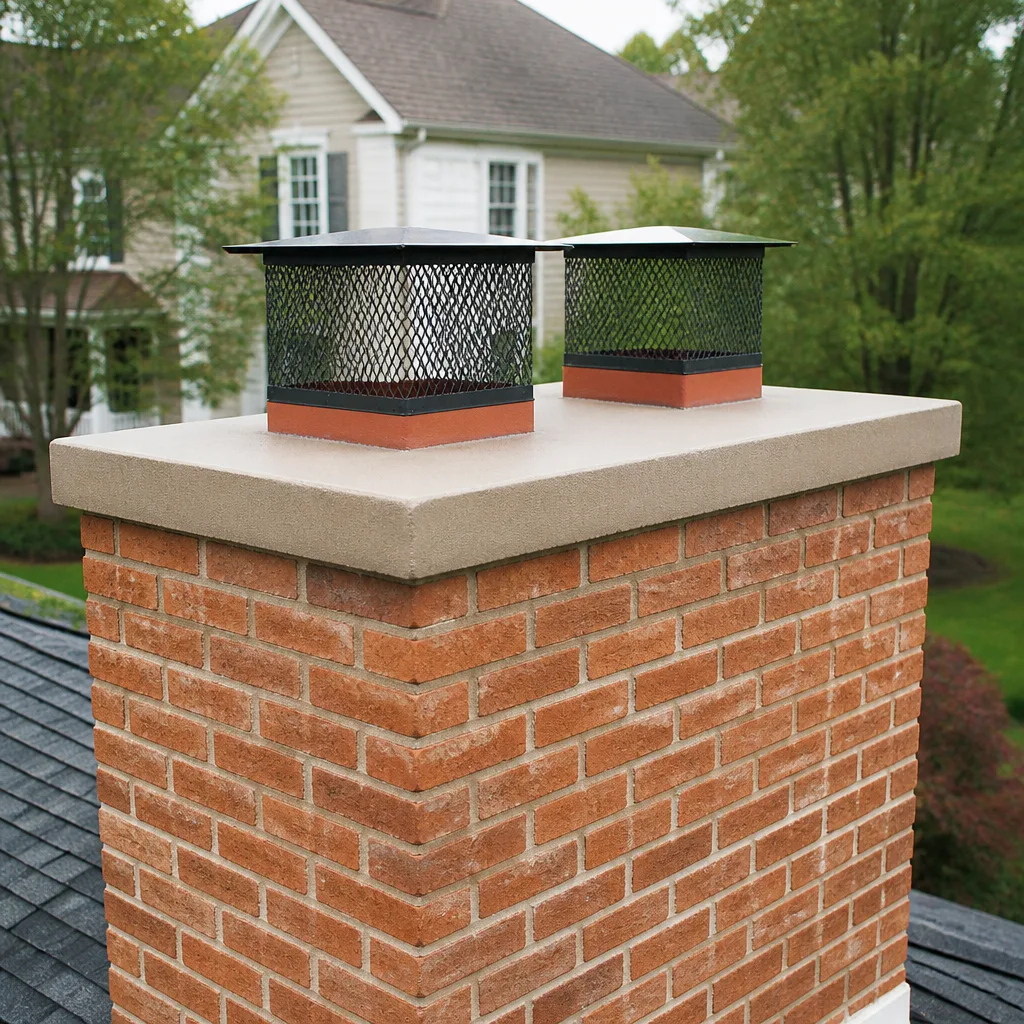 Caps & crowns
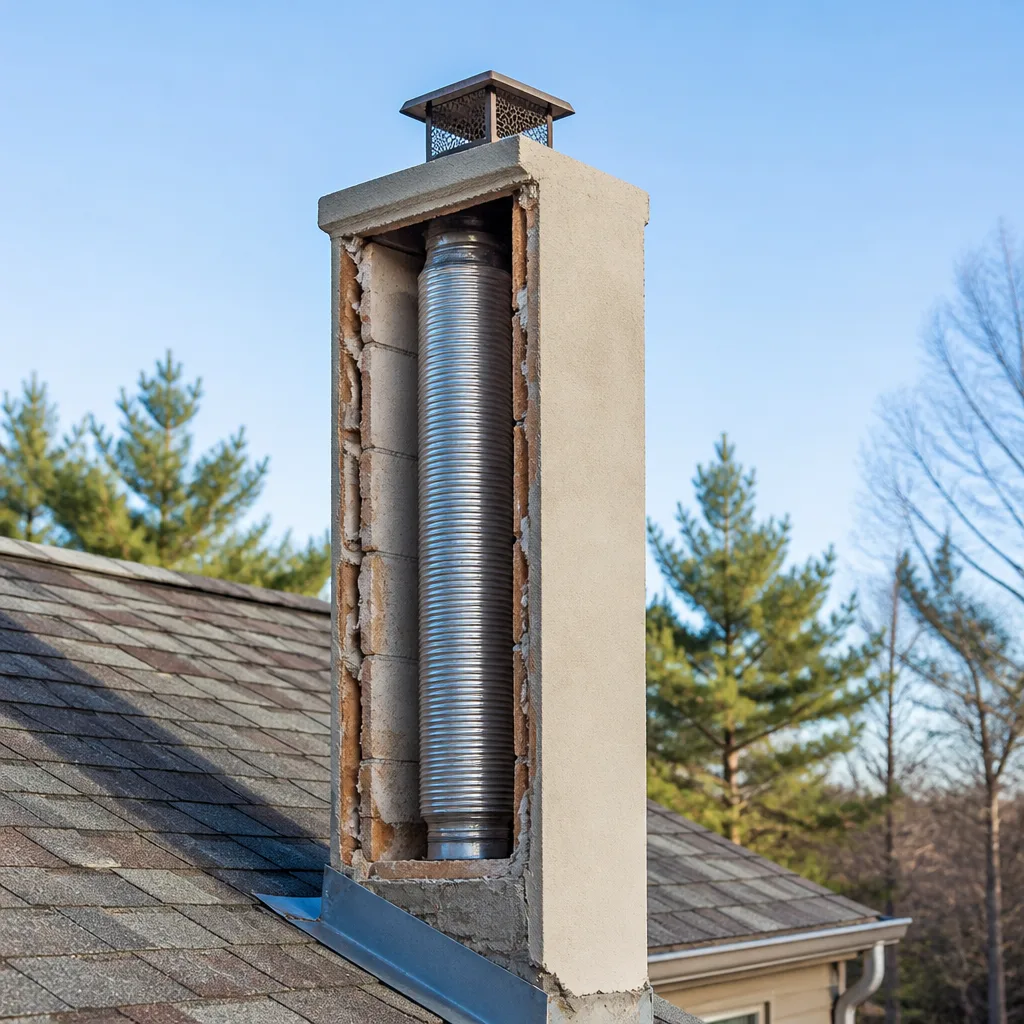 Flue relining
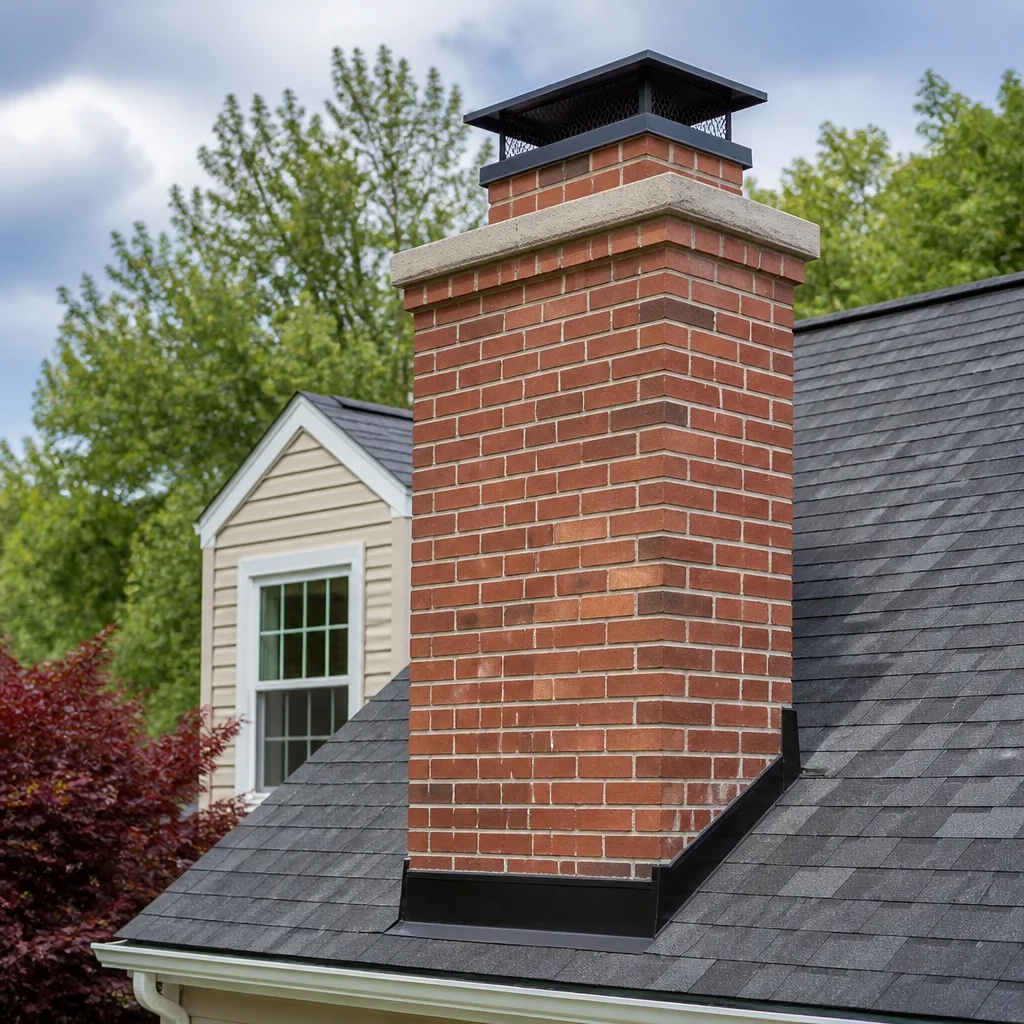 Masonry repair
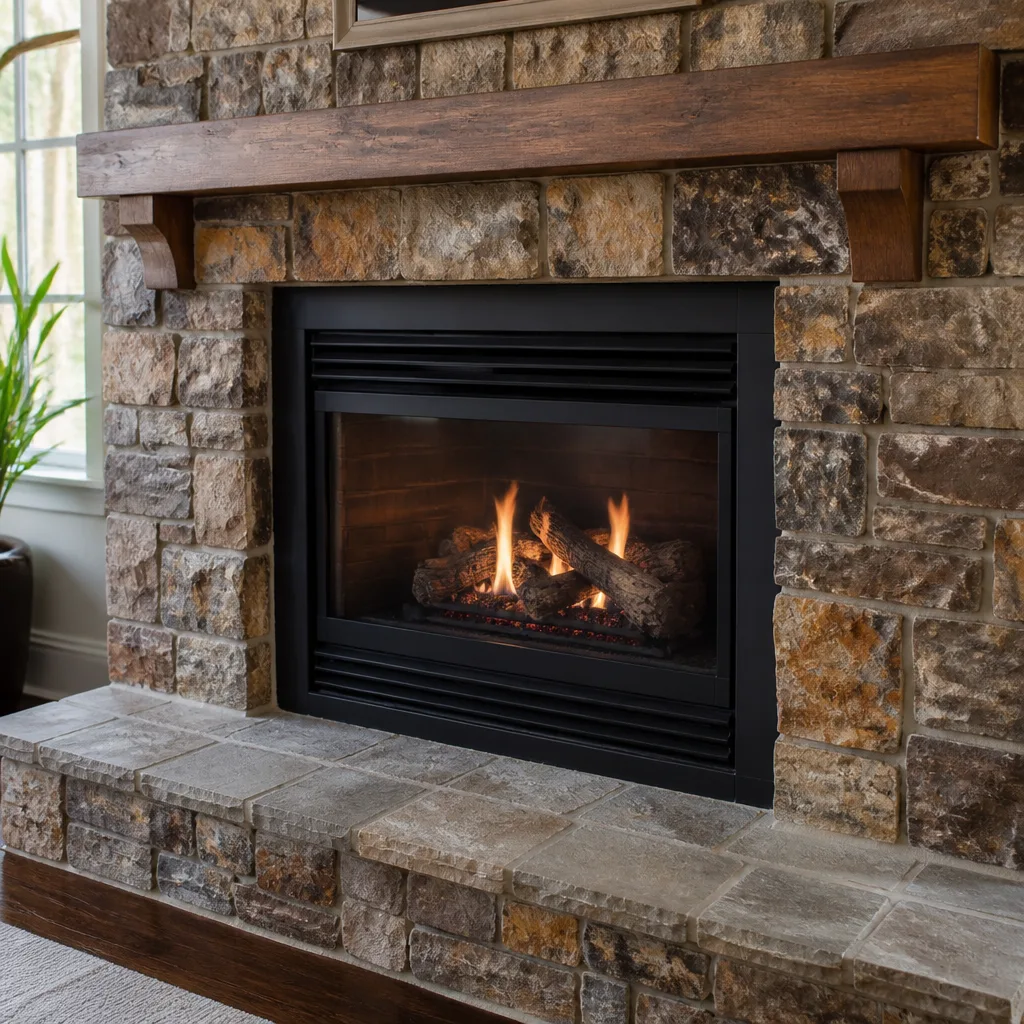 Gas fireplace service
Level 1 sweep and inspection to the NFPA 211 annual standard - flue, crown, cap, and flashing checked and photographed
Chimney sweep logs do not sweep chimneys. They loosen some creosote - which then falls where a brush and vacuum still have to collect it.
Chimney Cleaning Permits, Codes & Inspections in Plaza Midwood, NC: What You Need to Know
Here’s the part that surprises most homeowners: the sweep itself almost never needs a permit. The trouble starts one step later. Cleaning a flue routinely turns up a cracked liner, a rusted damper, or a firebox that’s spalling apart, and that repair work is where North Carolina’s permit rules kick in. Skip the permit on a reline or an insert, and the missing paper trail can surface years later during a buyer’s home inspection, when a retroactive permit can stall a closing for weeks. In this guide we map exactly where the permit line sits for a Plaza Midwood chimney, what the NC Residential Code requires, and which inspection records to keep.
Quick Answer
A standard chimney cleaning in Plaza Midwood does not require a permit. Structural repair work does: liner replacement, fireplace insert installation, and firebox reconstruction all need a permit from Mecklenburg County before the work begins. A Level 2 inspection per NFPA 211 is required at a real estate transfer, after a chimney fire, or when you change fuel type. Keep the written inspection report; you’ll need it for insurance and resale.
Styles & brands we work with
- Sweep & inspection
- Caps & crowns
- Flue relining
- Masonry repair
- Gas fireplace service
Table of Contents
- Where Does the Permit Line Sit for Chimney Work in Plaza Midwood?
- What Does the NC Residential Code Require for Chimneys?
- When Do You Need a Mecklenburg County Permit?
- When Is a Level 2 NFPA 211 Inspection Required?
- What “Code Compliant” Means for Older Plaza Midwood Homes
- How to Request Your Inspection Report and What to Keep
- How the Retroactive Permit Process Works
- From Sweep to Repair: Planning the Whole Job
Where Does the Permit Line Sit for Chimney Work in Plaza Midwood?
Permits apply to construction, not maintenance. That single distinction settles most of the questions we get from Plaza Midwood homeowners. Sweeping a flue is maintenance: it removes creosote and soot from an existing, already-approved assembly and changes nothing about the structure. Replacing a liner, installing an insert, or rebuilding a firebox is construction: it alters a component the code regulates, so a permit is required.
Here’s how the split usually looks on a real job:
- No permit needed: annual sweep, Level 1 inspection, cap replacement on an existing flue, damper adjustment, and routine removal of creosote and soot.
- Permit typically needed: relining a masonry flue with a stainless system such as DuraFlex, cutting in a new fireplace insert, rebuilding firebox brick and mortar, and replacing a chimney crown where the scope involves structural masonry.
The gray zone is where a job drifts. A sweep on a 1920s bungalow off Commonwealth Avenue reveals a liner that’s cracked along its whole length. What started as maintenance becomes a reline, and that means stopping to pull a permit before the work starts. In our experience it’s cheaper to plan the repair with a permit from the outset than to discover after the fact that the job needed one.
One naming note: what many people call chimney cleaning is a chimney sweep in trade terms, and that’s the maintenance service the permit rules don’t touch. The repair categories are separate work with separate requirements.
What Does the NC Residential Code Require for Chimneys?
The North Carolina Residential Code addresses chimneys and fireplaces in Chapter 10, Sections R1001 through R1005. These sections are the backbone of everything an inspector looks at, and they’re worth understanding in outline before you talk to anyone about repair work.
- R1001, masonry fireplaces: governs firebox dimensions, wall thickness, hearth extension, and the required clearance between combustible framing and the fireplace mass. Most of the fire-safety problems we find in older Plaza Midwood homes trace back to a floor joist or framing member that’s closer to the firebox than R1001 allows.
- R1002, masonry chimneys: covers flue sizing, the required flue liner, wall thickness, and the height above the roof. A chimney has to extend the correct distance above the roofline so it drafts properly and clears nearby roof surfaces.
- R1003, factory-built fireplaces: the rules for manufactured units, which depend on the manufacturer’s listed clearances and cannot be altered from spec.
- R1004 and R1005: cover masonry heaters and the associated requirements that round out the chapter.
Two themes run through the whole chapter. Clearance from combustibles, and a continuous liner in good condition. When a sweep finds a flue with no liner or a liner that’s flaking away, that’s an R1002 issue, and the code-compliant answer is a listed liner system. We specify a flexible stainless system like DuraFlex for exactly this reason: it’s a listed product sized to the flue, and it gives the inspector something to point at that meets the requirement.
Note that North Carolina adopts these model code provisions with its own amendments, and local jurisdictions apply them. The chapter gives you the framework; the county applies it to your specific chimney.
When Do You Need a Mecklenburg County Permit?
Mecklenburg County issues the permits for chimney construction work in Plaza Midwood. The three categories that most often need one are liner replacement, insert installation, and firebox reconstruction. Each one alters a code-regulated component, so each one gets reviewed and inspected.
A practical walk-through of how the process usually goes:
- Scope the work. The repair has to be defined before anything is filed: what’s being replaced, with what product, at what dimensions. This is why a proper inspection comes first. You can’t permit a reline until you know the flue’s dimensions and condition.
- Submit the permit application to Mecklenburg County. The application describes the scope and the materials. For a liner, that means the listed system being installed.
- Start work only after the permit is issued. Work done before the permit is issued is unpermitted work, even if the final result would have passed.
- Arrange the inspection. The county inspects the work at the appropriate stage. For a liner or insert, the inspection happens before the assembly is closed up and finished.
- Keep the final inspection record. This is the document that proves the work was done legally. It belongs with your home records.
One thing we tell every Plaza Midwood homeowner: the permit is not the enemy of a good repair, it’s the paperwork that protects the value of the repair. A reline done to spec with a final inspection on file is an asset. The same reline done without a permit is a liability that a buyer’s inspector will flag. If you’re unsure whether your project needs one, ask the county building department before work begins; that’s the authority that decides.
When Is a Level 2 NFPA 211 Inspection Required?
NFPA 211, the national standard for chimneys and vents, defines three inspection levels. A Level 1 is the routine check that comes with an annual sweep: accessible components, visual, no tools that open anything up. A Level 2 goes further, using a camera to inspect the flue interior and reach areas a visual check can’t see. A Level 3 opens concealed areas of the structure and is reserved for specific diagnostic needs.
The Level 2 is the one the standard requires in a handful of situations, and each one matters for Plaza Midwood homeowners:
- Real estate transfer. When a home changes hands, a Level 2 is required as part of the transaction. This is the inspection a buyer orders, and it’s the one that surfaces unpermitted work.
- Change of fuel type. Switching an appliance from one fuel to another, such as converting a wood-burning setup to gas, requires a Level 2 because the venting requirements differ.
- After a chimney fire. Any chimney fire, even one you think was minor, calls for a Level 2 to assess damage to the liner and flue.
- After an event that could have damaged the chimney. A seismic event, a lightning strike, or a similar occurrence that may have affected the assembly.
- When a Level 1 turns up a problem. If the routine inspection finds something the visual check can’t explain, the standard calls for stepping up to a Level 2.
Camera inspection is part of our standard service, and the photo report comes with it. That’s not a sales device. It’s the evidence you need to make a decision and, if a repair follows, the documentation that goes with the job.
What “Code Compliant” Means for Older Plaza Midwood Homes
Plaza Midwood has a lot of homes built before the current code existed, and plenty of them have chimneys that were built to the standards of their era. A fireplace from the 1940s may have a flue that was perfectly acceptable then and falls short of R1002 today. This is where “grandfathered” comes into the conversation, and it’s worth understanding precisely.
Existing conditions are generally permitted to remain as they were built. The catch is that grandfathering covers the assembly as it stands, not major alterations to it. Once you replace the liner, rebuild the firebox, or install an insert, the work you’re doing is judged against current code. You can’t use the original construction’s age as a reason to do new work to an old standard.
For Plaza Midwood homeowners this means:
- The chimney you have can stay as it is if it’s in good condition and safely usable.
- Any repair that touches a regulated component needs to meet current requirements, which is the whole reason the permit process exists.
- A grandfathered chimney with a deteriorated liner isn’t automatically safe; it’s simply old. The condition of the liner, not its age, is what determines whether it can be used.
This is where ceramic resurfacing comes in. HeatShield is a resurfacing method that restores a deteriorated flue liner from the inside, rebuilding a smooth, functional surface without tearing out the masonry. For an older Plaza Midwood chimney with a liner that’s failing but a structure that’s sound, it’s often the right answer: it brings the flue back to a usable, code-compliant condition with far less disruption than a full rebuild. When the liner is beyond resurfacing, a full reline with a listed system is the alternative. Different problems, different materials, and the inspection is what tells you which you’re dealing with.
Remember that a fireplace insert changes the venting requirements, so an older fireplace that’s fine as a wood-burner may need a liner upgrade to accept an insert legally. That’s a code question, not a preference.
How to Request Your Inspection Report and What to Keep
When a chimney is inspected, the report is the record of what was found. Ask for it in writing, with the photos, before you pay. A camera inspection produces images of the flue interior, and those images are the evidence for any recommendation that follows. If a repair is proposed, the photos should show why.
Here’s what belongs in your home file:
- The written inspection report, with the level of inspection noted and the findings spelled out.
- The photo report from the camera inspection. Keep the originals; a photo on a phone is fine, but back it up.
- The permit and the final inspection record for any construction work, such as a reline or insert installation.
- The product documentation for any liner or system installed, including the listed system’s specifications.
- Receipts and the written estimate for each job, so the record of what was done is complete.
Why keep all of it? Two reasons. Your insurer may ask for documentation if a claim ever involves the chimney or a related fire. And when you sell, the buyer’s Level 2 inspection will look for exactly this paper trail. A file that shows a permitted reline with a final inspection is a strong point in a sale. A file that shows nothing at all invites questions. The best time to build that file is at the inspection, when the information is fresh and the photos exist.
How the Retroactive Permit Process Works
Unpermitted work is common, and it’s not the end of the world. It is, however, a problem with a process attached, and that process takes time. When a buyer’s inspector flags unpermitted chimney work, the sale doesn’t automatically fall apart. What happens is that someone has to go back to Mecklenburg County and file for the permit retroactively.
How that usually unfolds:
- The work is identified as unpermitted. The buyer’s inspection or a title search surfaces a repair with no permit record.
- The permit is applied for after the fact. The county reviews the scope as built.
- An inspection is arranged. The county inspects the completed work to confirm it meets code. Sometimes concealed work has to be opened up to verify what’s underneath.
- Deficiencies are corrected. If the work doesn’t meet code, it gets fixed, and that fix may require its own permit.
- The final record is issued. Once the work passes, the file is closed.
The friction is in the timing. The retroactive process runs on the county’s schedule, not the closing date’s, and every week it takes is a week the transaction sits. In our experience the practical answer is simple: permit the work when it’s done, not when someone asks about it later. It’s the same repair either way, only one version comes with a clean record.
For homeowners who suspect a past repair was done without a permit, the first step is an inspection to establish what’s actually there. A camera inspection and a written report will tell you the condition of the work and what documentation would be needed to make it right.
From Sweep to Repair: Planning the Whole Job
Most chimney problems don’t arrive one at a time. A single visit often turns up a sweep that’s due, a liner that needs attention, and a cap that’s been letting water in for years. Planning those together, with the permit requirements in view from the start, is how a repair stays on schedule and on budget. A cap install on its own is maintenance. A cap plus a crown rebuild plus a reline is a project with a permit, and it should be scoped as one.
Here’s how we think about the whole system, from firebox to crown:
- Sweep and inspection first. The cleaning clears the flue, and the inspection documents what’s there. Both happen on the same visit so the repair plan is built on evidence, not guesswork.
- Liner and firebox next. A reline with a listed system and any firebox work go together, since both touch the fire chamber. This is the fireplace repair stage, and it’s where the permit usually attaches.
- Cap and crown last. Water is the long-term enemy of a masonry chimney, and a proper cap and crown is what keeps rain and animals out of a flue that’s otherwise sound. We fit caps from lines like Famco and Gelco to the actual flue dimensions rather than forcing a generic cover to fit. That’s the chimney cap & crown piece of the job.
Project Plaza Midwood’s mix of mature trees and older masonry means the crown on an older chimney is often the weak point: cracked mortar lets water in, and water drives the freeze-thaw damage that shows up as spalling brick and a failing liner. Catching it at the sweep means the crown gets fixed before it takes the liner with it. One visit, full picture, and a report that shows you what we found and what it needs.
What we don’t do is recommend work the evidence doesn’t support. If the liner is sound and the crown is intact, the answer is a sweep and a note for next year. If a repair is proposed, the photos are there to show you why.
Common Mistakes to Avoid
- Assuming a sweep needs a permit. It doesn’t. Routine cleaning is maintenance. The permit question only arises when the job becomes a repair or an installation.
- Skipping the permit on a reline or insert. This is the mistake that hurts at resale. The work may even pass inspection if it were permitted, but without the permit and final inspection, a buyer’s inspector will treat it as a question mark.
- Letting a sweep upsell a repair with no photo evidence. You should be able to see the crack or the failed joint on camera before you authorize the work. If you can’t, ask for the photo report.
- Confusing a Level 1 with a Level 2. A routine visual check isn’t the same as a camera inspection, and a real estate transaction calls for the Level 2. Buying or selling a Plaza Midwood home without one leaves the chimney unexamined.
- Assuming a grandfathered chimney is automatically safe. Age of construction doesn’t guarantee condition. A pre-code chimney with a cracked liner is still a cracked liner.
- Discarding the inspection report and photos. The report is your record for insurance and resale. Store it with the home’s other documents, not in a drawer you’ll forget.
- Using a generic cap on an older flue. A cap that doesn’t match the flue dimensions fits poorly and fails early, letting water and animals in. The cap should be sized to the chimney.
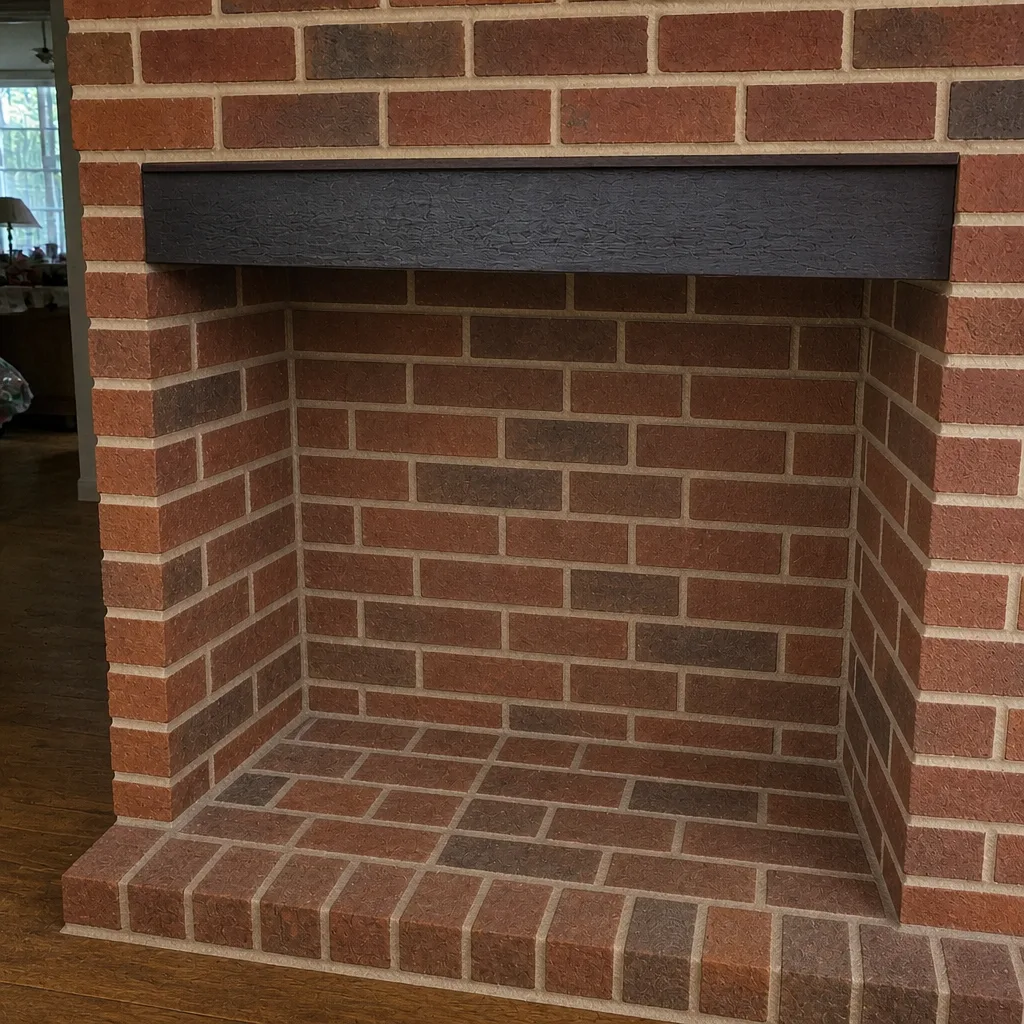
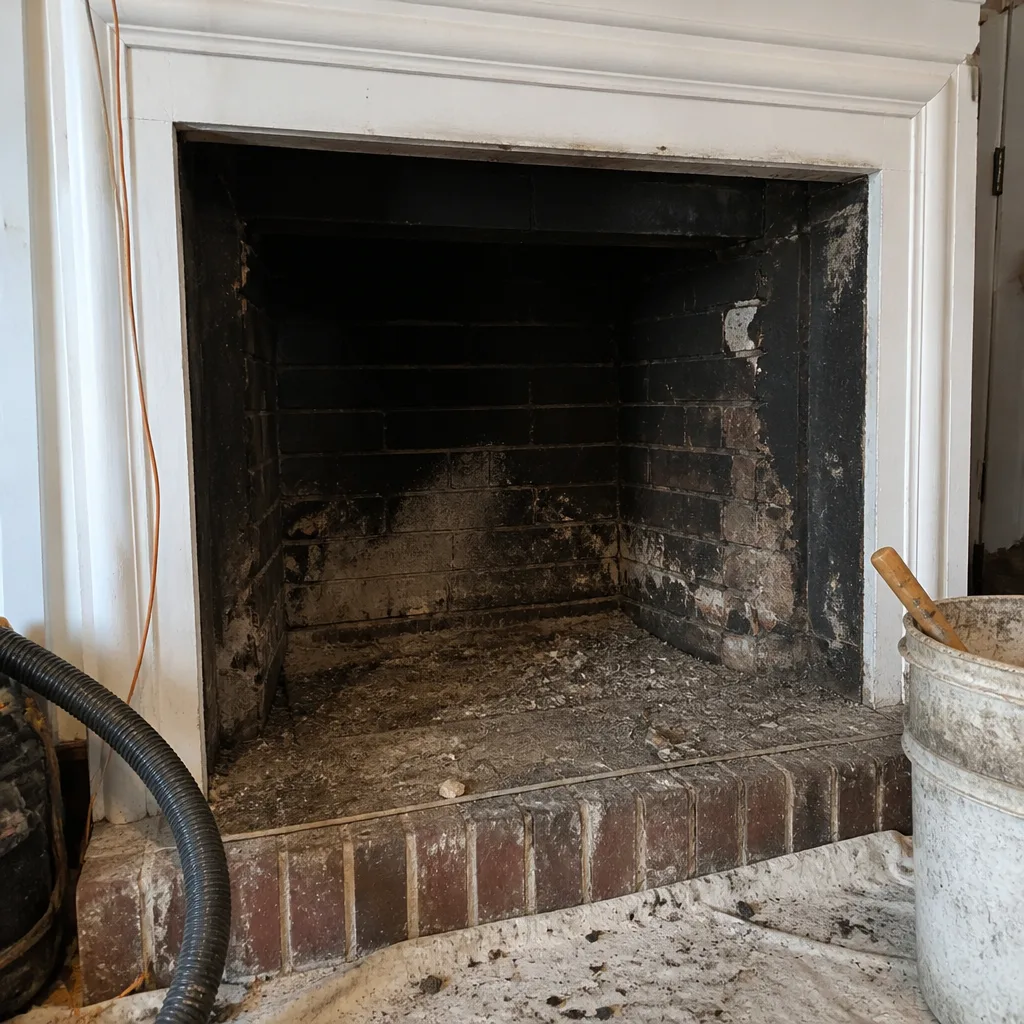
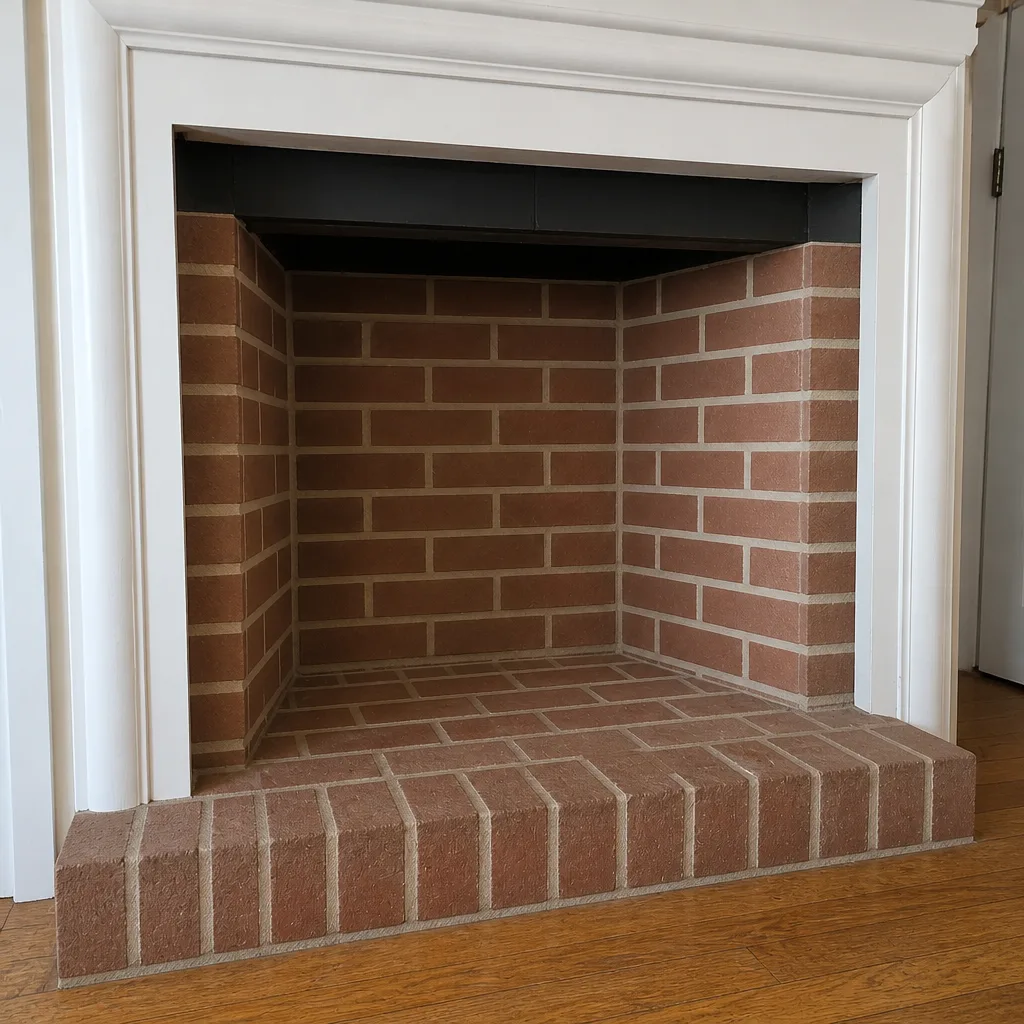
See the difference
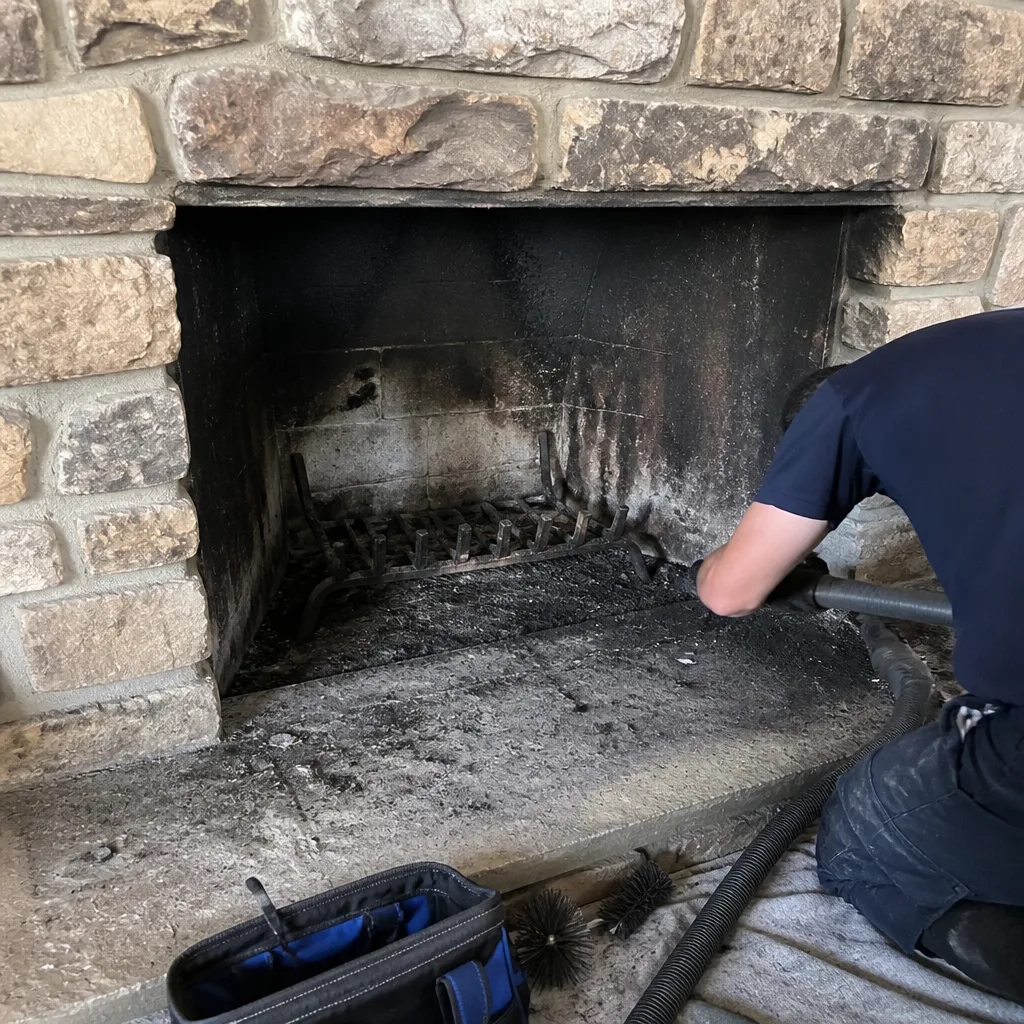 Before
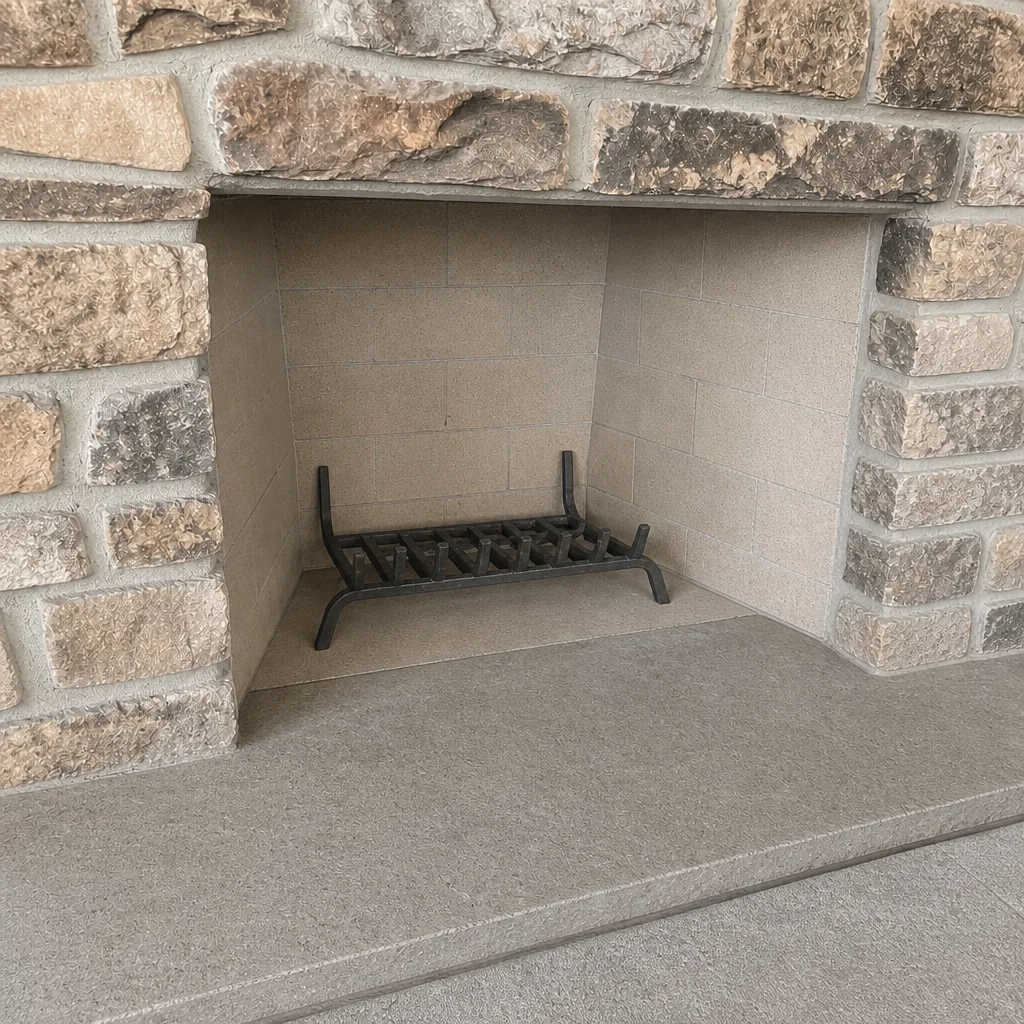 After
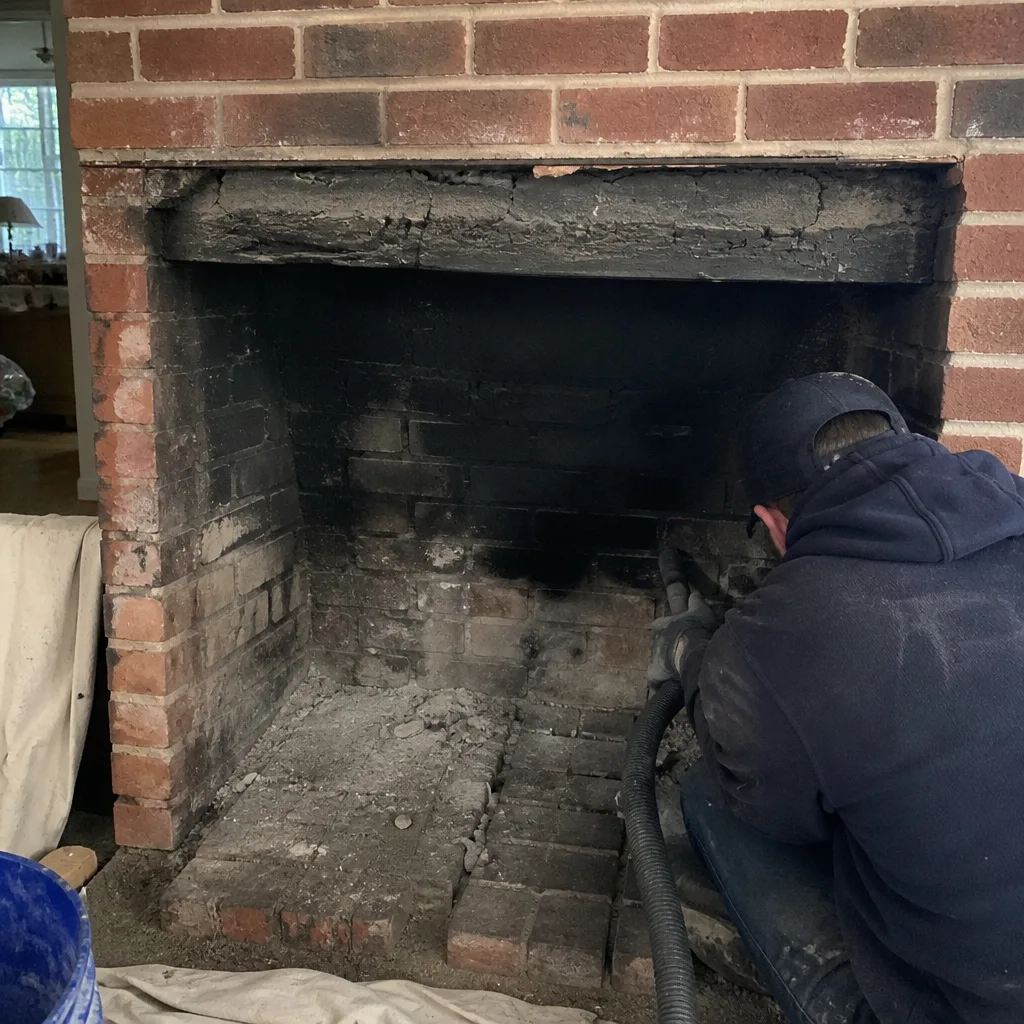 Before
 After
 Before
 After
When to Call a Professional
Some jobs are a decision, not a question. Call a professional if your flue hasn’t been inspected in more than a year of regular use; if you’re buying or selling a Plaza Midwood home and the chimney hasn’t had a Level 2 inspection; if you’ve had a chimney fire, however small; if you’re changing fuel type or planning an insert; if you see cracked or spalling brick, a crumbling crown, or water stains in the firebox; or if a previous owner’s repair has no paper trail. These are the situations where the condition of the chimney and the permit requirements meet, and where a proper inspection and written report do the most good. Chimney Sweep Plaza Midwood offers free estimates in Plaza Midwood. Call (877) 320-6353. We answer 24/7. Fast dispatch from 7am to 7pm, Sunday through Friday.
Frequently Asked Questions
No. A standard chimney cleaning is maintenance and does not require a permit. Permits apply to construction work such as liner replacement, insert installation, or firebox reconstruction. If a sweep turns up one of those repairs, the permit gets pulled before that work begins, not for the cleaning itself. Call (877) 320-6353 for an exact quote on a sweep and inspection; estimates are free.
Yes, in most cases a liner replacement needs a permit from Mecklenburg County, because it alters a code-regulated component of the chimney. The permit is filed before work starts, and the county inspects the installation. Relining with a listed stainless system such as DuraFlex is a permitted, inspected job, and the final record is the documentation that protects the value of the work. Call (877) 320-6353 to schedule an inspection and get a written estimate before you commit to a repair.
A Level 2 inspection is required at a real estate transfer, after a chimney fire, when the fuel type changes, and after an event that may have damaged the chimney. It’s also the right step when a Level 1 inspection finds something that needs a closer look. A Level 2 uses a camera to inspect the flue interior, which a routine visual check can’t do. Call (877) 320-6353 to book a camera inspection with a written photo report.
Existing chimneys built to the standards of their era are generally permitted to remain as they were built. That grandfathering covers the assembly as it stands, not major alterations. Once you reline the flue, rebuild the firebox, or install an insert, the new work is judged against current code. The age of the chimney doesn’t determine whether it’s safe; the condition of the liner does. Call (877) 320-6353 to have the flue inspected and documented.
Keep the written inspection report with the level noted, the camera photo report, the permit and final inspection record for any construction work, the product documentation for any liner installed, and the receipts and written estimate for each job. This file is what your insurer may ask for and what a buyer’s inspection will look for at resale. Call (877) 320-6353 and we’ll provide the report and photos in writing.
The work can usually be permitted retroactively through Mecklenburg County, but the process takes time and the county will inspect the work as built, sometimes opening concealed areas to verify it. If it doesn’t meet code, it has to be corrected. The practical first step is an inspection to establish what’s there and what documentation is needed. Call (877) 320-6353 for an inspection and a written report before a closing date makes the timeline urgent.
The Bottom Line
The rule is simpler than it sounds. Cleaning a chimney is maintenance and needs no permit. Repairing one, whether a reline, an insert, or a firebox rebuild, is construction, and Mecklenburg County permits it. A Level 2 inspection is required at a real estate transfer, after a chimney fire, and when fuel type changes. Older Plaza Midwood homes can keep their original chimneys, but any new work on them meets current code. Keep the inspection report, the photos, the permit, and the final inspection record together, because those documents are what protect you at insurance time and at resale. When the work is scoped with the permit in view from the start, the repair is done once and stays done.
We handle sweeping, inspection, fireplace repair, chimney repair, and chimney cap & crown work as one scope, so the repair and the documentation line up from the first visit. Our technicians have up to 15 years of experience, and we specify the right material for each job, from a DuraFlex liner to a Famco or Gelco cap sized to the flue.
Call Chimney Sweep Plaza Midwood at (877) 320-6353 for a free estimate. We answer 24/7. Fast dispatch from 7am to 7pm, Sunday through Friday.
Written by the team at Chimney Sweep Plaza Midwood.