
Last updated November 24, 2026
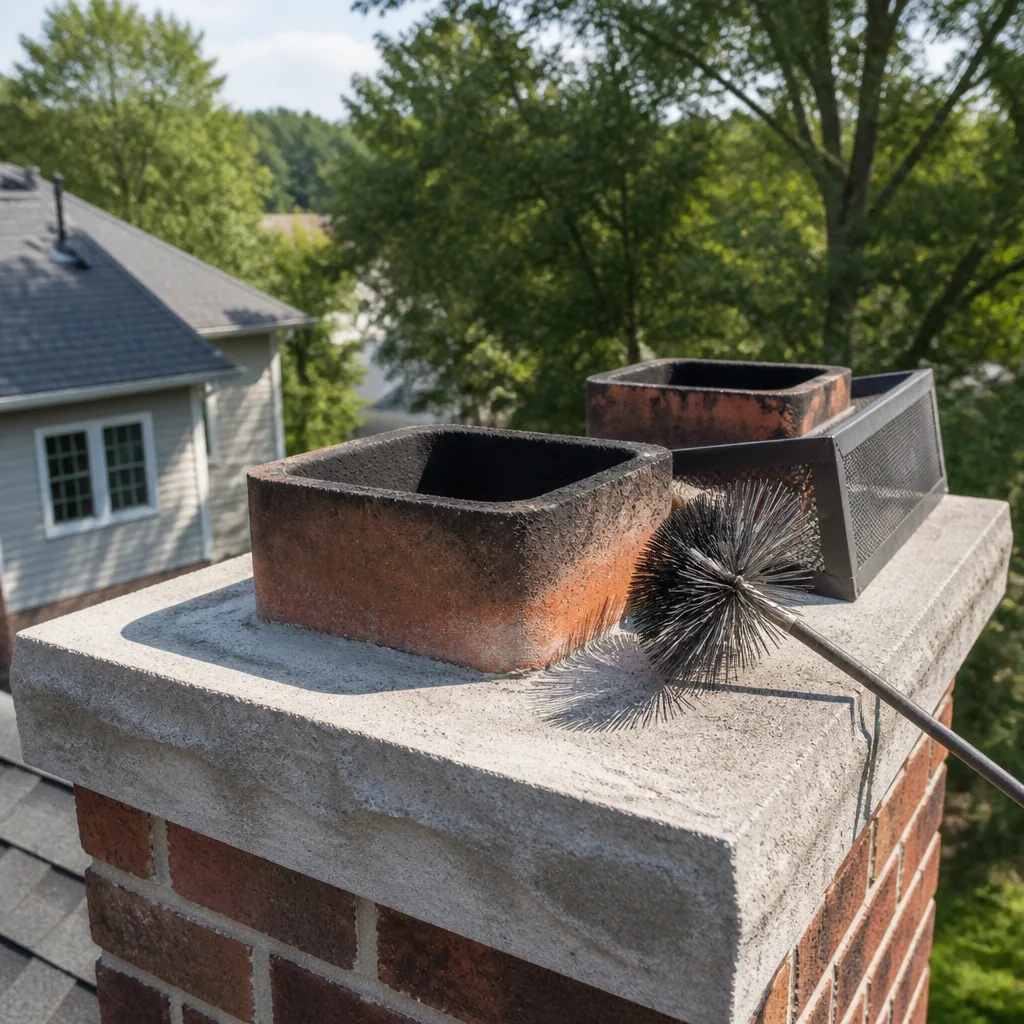 Sweep & inspection
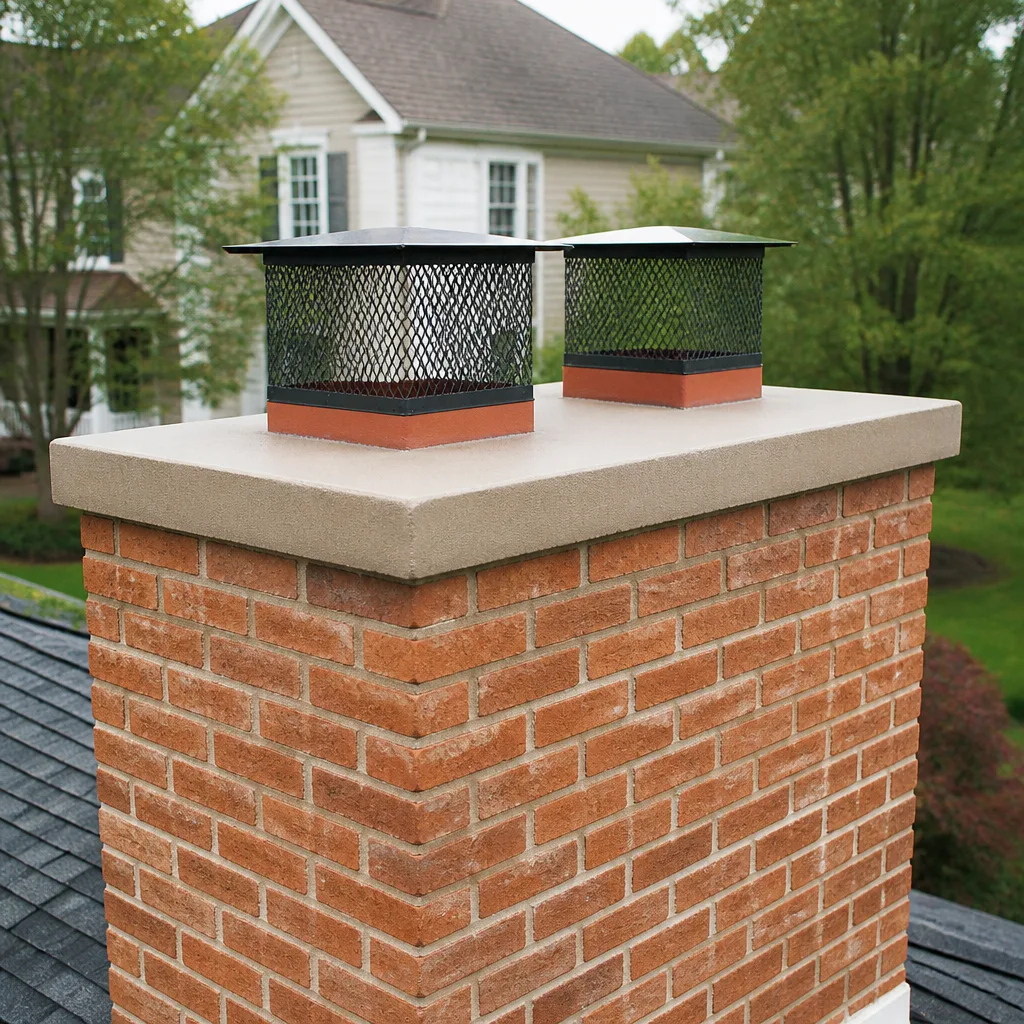 Caps & crowns
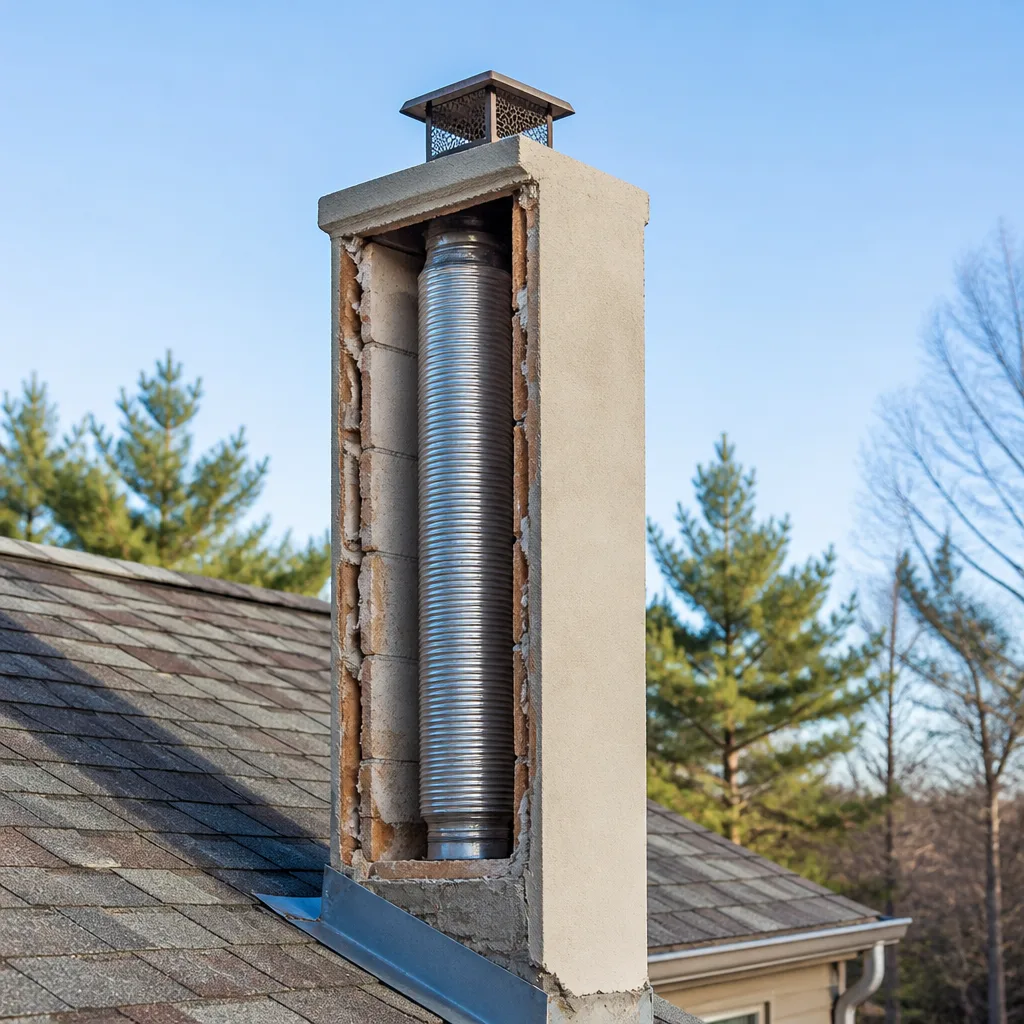 Flue relining
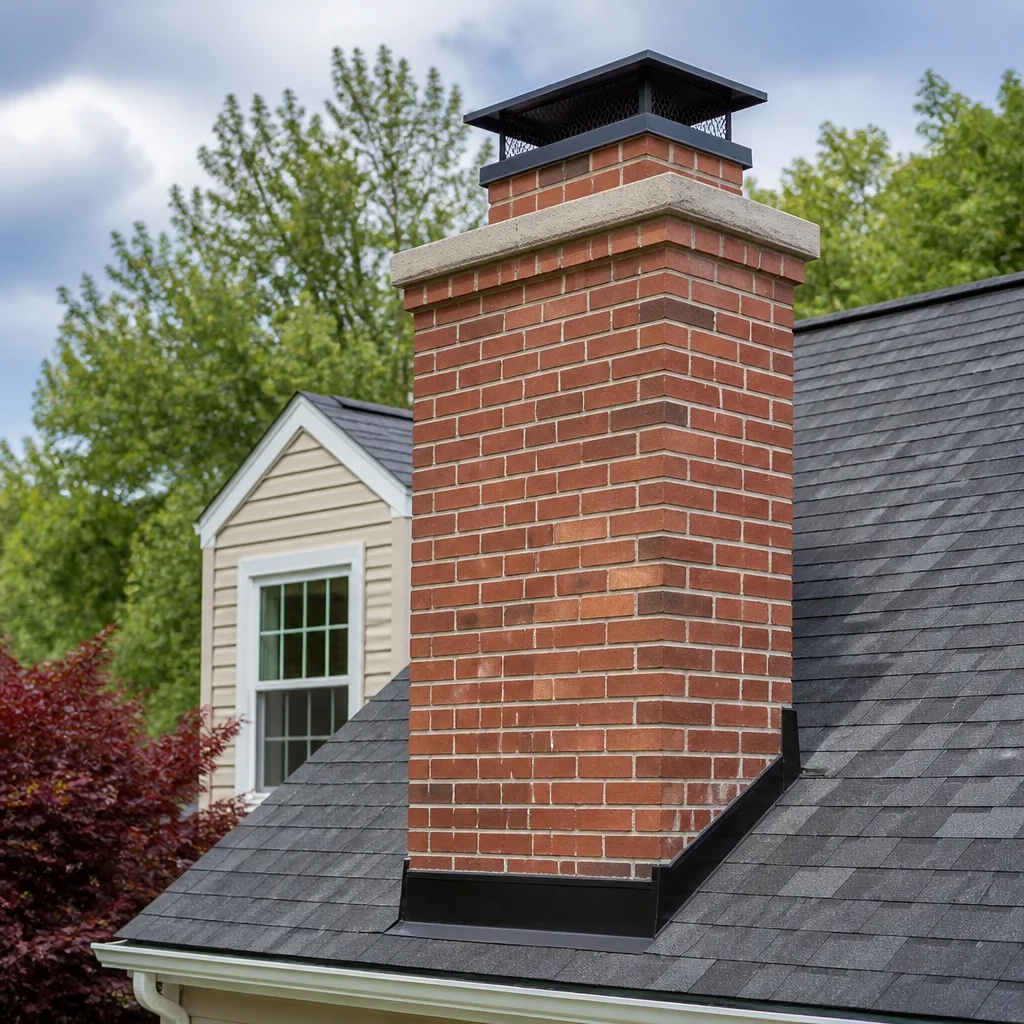 Masonry repair
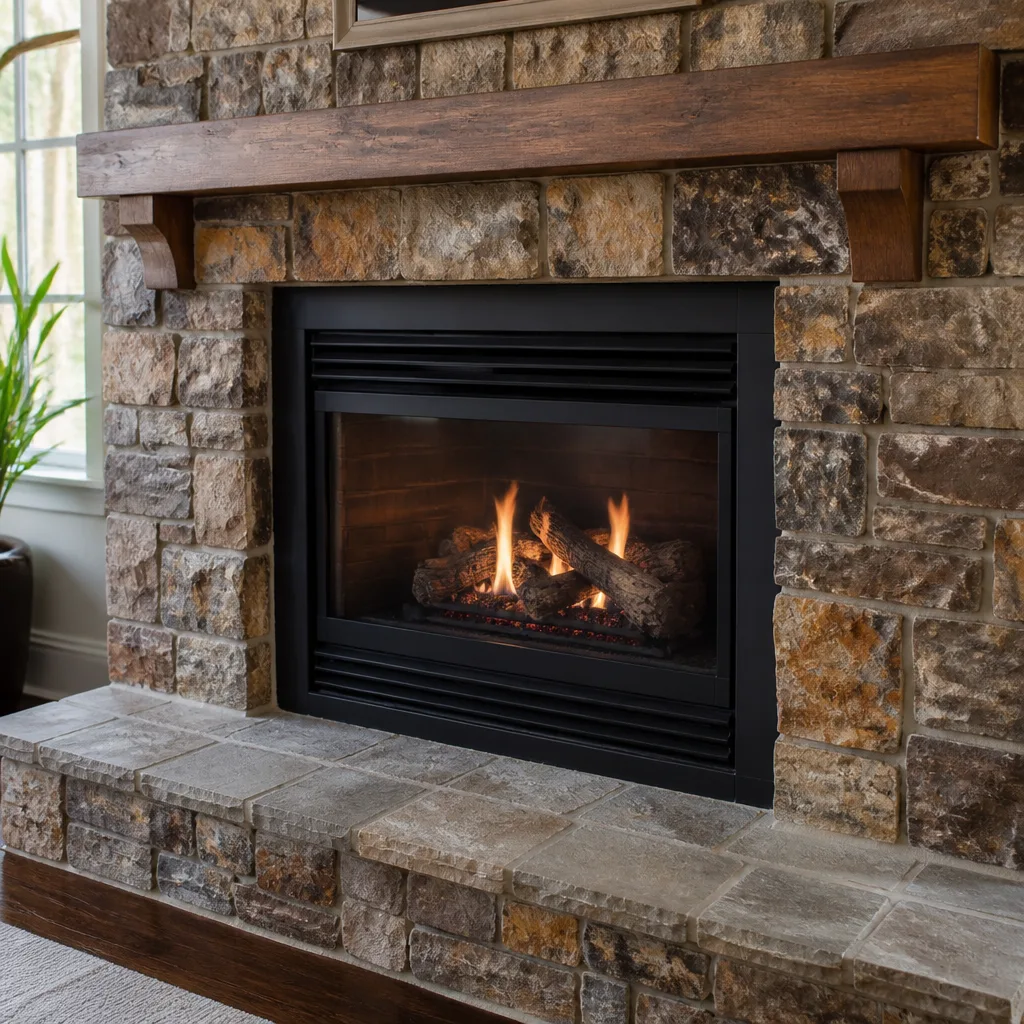 Gas fireplace service
Level 1 sweep and inspection to the NFPA 211 annual standard - flue, crown, cap, and flashing checked and photographed
Chimney sweep logs do not sweep chimneys. They loosen some creosote - which then falls where a brush and vacuum still have to collect it.
Chimney Cleaning Warning Signs: A Plaza Midwood Homeowner’s Reference Guide
That sharp smoke smell drifting from an unused fireplace on a rainy afternoon usually isn’t a dirty flue. It’s a draft and moisture problem, and more often than not the culprit is a missing or failing chimney cap letting damp air push down the stack. Sweeping the flue won’t make it stop, and it’ll be back with the next rain. The same gap between symptom and cause shows up all over the chimney. A white stain on brick and a brown stain on a firebox wall look like cousins but point to completely different failures. In this guide we decode the signals a chimney sends in Plaza Midwood, component by component, so you can tell a maintenance issue from a structural one before it gets expensive.
Quick Answer
The most reliable chimney cleaning warning signs are a strong smoke or creosote smell between uses, slow draft startup, smoke rolling into the room, falling debris in the firebox, white mineral haze on exterior brick, and brown water stains near the firebox or below the crown. Each one points to a specific component: a draft or cap failure, water migration, a deteriorating flue liner, or a creosote buildup that’s ready to be swept. Reading them correctly matters more than reacting fast, because the wrong fix leaves the real problem running.
Styles & brands we work with
- Sweep & inspection
- Caps & crowns
- Flue relining
- Masonry repair
- Gas fireplace service
Table of Contents
- What Your Chimney’s Exterior Is Telling You
- Interior Signals: Reading Your Firebox and Flue
- Performance Signals: Draft, Smoke Rollout, and Odor
- Why Some Warning Signs Only Show Up in Certain Weather
- The Escalation Path: One Season vs. Three
- How to Decode Your Own Chimney Before You Call
- Common Mistakes to Avoid
- Frequently Asked Questions
What Your Chimney’s Exterior Is Telling You
Walk outside and look up at the chimney stack before you ever light a fire. The exterior is the most honest reporter on the whole system, because brick and mortar record water damage in ways you can photograph and track over time. Here’s what the common exterior signals actually mean.
White chalky staining (efflorescence). That powdery white residue on the brick isn’t mold and it isn’t normal aging. It’s mineral salt pushed to the surface as water migrates through the masonry and evaporates. Efflorescence means moisture is getting into the chimney somewhere, and it’s the earliest exterior sign that a cap, crown, or flashing detail has failed. Catch it at this stage and the fix is often a cap or crown repair. Ignore it and the freeze-thaw cycles in a North Carolina winter start cracking the brick face itself.
Spalling brick faces. When the flat front of a brick pops off and leaves a pitted, crumbly surface, that’s spalling, and it’s freeze-thaw moisture damage in progress. Water soaks into the brick, freezes, expands, and shears off the face. A chimney showing spalling is no longer just wet; it’s losing structural mass. This is the point where repointing and masonry repair move from optional to necessary.
Dark staining below the crown. If you see dark streaking down the masonry directly under the concrete crown, water is overflowing or running down from a failed crown instead of shedding off. A cracked or improperly sloped crown lets water pour into the top of the chimney, soaking the flue and the brick from the inside. This is the most overlooked signal we see on Plaza Midwood homes, because the crown sits high and people rarely look up at it.
- Efflorescence = active water migration
- Spalling = freeze-thaw damage already underway
- Dark streaking below the crown = crown or cap failure shedding water into the stack
- Missing or crooked cap = the source behind most of the above
Interior Signals: Reading Your Firebox and Flue
Inside the firebox, the stains and deposits tell a different story than the exterior, and mixing them up is the single most common diagnostic mistake homeowners make. A brown water stain on a firebox wall and a white haze on the same brick come from opposite directions.
Brown water stains on firebox walls. Brown or tan rings and streaks inside the firebox almost always mean water is entering from above, not from the room. Two failures cause it: a failed flashing where the chimney meets the roof, or a failed cap letting rain straight down the flue. The stain color comes from rust and dissolved masonry minerals carried by the water. If the stain sits low and near the roofline side, suspect flashing. If it’s uniform down the flue walls, suspect the cap. A proper visual inspection with a camera tells you which, and it changes the repair entirely.
White or pale haze on firebox brick. This is different from exterior efflorescence. A pale, powdery film on interior firebox brick often points to vapor from incomplete combustion and poor draft, meaning the fire isn’t burning cleanly and moisture-laden exhaust is condensing on the brick instead of going up and out. Left alone, that moisture feeds the acidic creosote that glazes a flue and shortens its life. This is a draft and airflow story, not a “sweep the flue” story.
Falling debris in the firebox. Flakes of liner, chunks of mortar, or gritty material collecting in the firebox after a fire is a warning you should not treat lightly. Falling debris usually means the flue liner is deteriorating, and a cracked or spalling liner is what separates the fire from the framing of your house. This is a stop-and-call sign, not a schedule-it-when-convenient sign.
Performance Signals: Draft, Smoke Rollout, and Odor
Some of the clearest warnings come from how the fireplace behaves when you use it. Draft and airflow problems announce themselves the moment you strike a match, and each one points to a specific component.
- Slow draft startup. If smoke hangs in the firebox for the first several minutes before the chimney finally pulls, the flue is either cold, blocked, or undersized for the opening. A cold flue is normal on the first fire of the season. A flue that never pulls well, even after warming, points to a blockage (creosote, a bird nest, debris) or a sizing problem.
- Smoke rollout into the room. Smoke spilling out the front of the firebox instead of going up is the symptom people notice most and misinterpret most. Causes range from a dirty or obstructed flue to negative pressure in the house from a tight modern envelope, to a flue that’s too short or the wrong size. Only an inspection tells you which, and guessing at it wastes money.
- Persistent odor between uses. A strong creosote or smoke smell in a fireplace you haven’t lit in days is the classic draft-and-moisture combination. When the chimney is capped poorly or the flue isn’t drafting, damp outside air pushes the smell of old deposits back down into the house. Sweeping removes the deposits, but it won’t fix the pressure problem that keeps pushing them down.
- Uneven or weak heat. A fireplace that throws less heat than it used to, or heats the room less effectively, can signal airflow restrictions in the flue or a firebox that’s lost its refractory lining. That’s a repair question, not just a cleaning one.
In our experience, these performance signals are the ones homeowners most often try to fix by scheduling a sweep alone. Sweeping is part of the answer sometimes, but the draft and pressure problems behind smoke rollout and odor usually need a cap, a liner, or airflow correction to actually go away.
Why Some Warning Signs Only Show Up in Certain Weather
A chimney doesn’t fail the same way on a dry day and a humid one. Some of the most telling warning signs are weather-dependent, and knowing that is a diagnostic tool in itself, because the conditions under which a problem appears tell a technician what kind of problem it is.
- High humidity and damp days. Smells that only show up when it’s humid outside are almost always draft-and-moisture problems. Damp, heavy air pushes down into a chimney that isn’t drafting well, and the odor of old creosote comes with it. Dry days won’t reproduce it, so a homeowner who calls only after a humid stretch can describe a symptom the sweep can’t recreate on a clear afternoon.
- Wind from a specific direction. If smoke rolls out only when the wind comes from one quarter, the cap is the likely culprit. A cap that’s too shallow, undersized, or damaged can’t deflect wind-driven downdrafts, and the fix is a properly fitted cap, not a guess. This is why we supply and fit caps matched to the flue’s actual dimensions, like Famco and Gelco models, rather than forcing a generic cover onto a stack it doesn’t fit.
- Temperature inversions. On cold mornings when the warm air aloft traps cooler air near the ground, chimneys can smoke poorly even when they’re clean. That’s atmospheric pressure at work, not a failing component, and it’s a good example of a symptom that looks like a repair problem but resolves on its own as the day warms.
- Freeze-thaw cycles. Spalling and efflorescence are worst after a stretch of wet weather followed by a hard freeze. Winter is when exterior moisture damage shows its cards, which is why an inspection late in the season catches things a summer glance misses.
When a homeowner tells us “it only smells on rainy days” or “it only does it when the wind’s out of the north,” that narrows the diagnosis before we’re even up on the roof. Weather-dependent symptoms are clues, not coincidences.
The Escalation Path: One Season vs. Three
Every warning sign has a cost curve, and it steepens the longer it’s ignored. Here’s how the common failures escalate if left unaddressed for one season compared with three.
- Missing or failed cap (exterior). One season: water intrusion starts, efflorescence appears, and animals find the open flue. Three seasons: spalling brick, a deteriorating flue liner from repeated moisture, and a masonry repair bill instead of a cap replacement.
- Cracked crown. One season: water runs into the top of the stack and efflorescence shows up below it. Three seasons: saturated brick and mortar can’t shed water, freeze-thaw cycles crack the masonry, and what started as a crown repair becomes a rebuild of the upper stack.
- Creosote buildup. One season: a thick, glazed layer forms in the flue and draft suffers. Three seasons: the deposit hardens into a combustible glaze that raises real chimney fire risk and is far harder to remove, sometimes requiring a professional-grade liner decision rather than a sweep.
- Deteriorating flue liner. One season: debris collects in the firebox and draft weakens. Three seasons: the liner can no longer safely contain the fire, and the flue either needs resurfacing or a full stainless-steel relining to be code-compliant again.
We don’t say this to alarm you, but the difference between a one-season problem and a three-season problem is the difference between maintenance and structural repair. In Plaza Midwood, where many homes date back to the mid-century and the chimneys have seen decades of use, the exterior masonry is often already partway down that timeline. The right move is to catch each sign at the stage where the fix is small, which is exactly what a combined inspection-and-sweep visit is built to do.
How to Decode Your Own Chimney Before You Call
You don’t need to get on the roof or diagnose an unsafe component yourself, but you can gather useful information before a technician arrives. Here’s a short process you can follow safely from the ground.
- Look up from the ground. From outside, note any white staining, spalling brick faces, or dark streaks below the crown. Take a photo if you can reach a safe vantage point with a zoom lens. Never climb a roof or ladder to get a better look; height work is where the real danger lives.
- Check the firebox by eye, not by hand. With the fireplace cold and no fire lit, look for brown water stains, white powdery haze, or collection of debris. Don’t reach in or try to clear anything. Electrical, gas, and flue components near the firebox should be left to a trained professional.
- Note when symptoms appear. Write down whether the smell, smoke rollout, or draft trouble happens on humid days, windy days, cold mornings, or after every fire. This timing is diagnostic gold.
- Note how long it’s been going on. A single smoky evening is one thing. A pattern across a whole season is a component failure worth inspecting.
- Do not attempt to clean the flue yourself. Sweeping a flue with a brush on a pole looks simple and is a common source of injury and property damage. Creosote, liner cracks, and hidden blockages need a trained eye and proper equipment.
One of the reasons homeowners hesitate to call is fear of being told they need expensive liner work they can’t verify. In our experience, that hesitation is fair. Nothing we recommend should come without camera evidence you can see for yourself, and if a repair can safely wait, we say so plainly. The local professional is licensed and insured as their state requires, and a camera inspection with a photo report is included so you’re making the decision, not being sold one.
Common Mistakes to Avoid
- Calling a sweep when the real problem is the cap. A smoke smell on a rainy day or a smoke rollout that only happens in certain winds points at the cap, not the flue. Sweeping it won’t stop the smell, and you’ll rebook the same problem next season.
- Treating brown water stains as a cleaning issue. Interior brown stains are water intrusion from a failed cap or flashing. Cleaning the firebox hides the evidence; it doesn’t stop the water coming down the flue. Address the source and the stains stop returning.
- Confusing white haze inside the firebox with exterior efflorescence. They point at different failures, and one gets the wrong fix if you swap them. Exterior white stain means water migrating through masonry; interior haze means combustion vapor and poor draft.
- Ignoring falling debris because “it still burns.” Debris in the firebox can mean a failing flue liner, and a fireplace that burns is not automatically safe. Don’t wait for a second symptom.
- Climbing onto a roof to check a crown or cap yourself. Height work on a chimney is where serious injuries happen. Leave the roof work to trained professionals and only gather evidence from the ground.
- Choosing the cheapest sweep in Plaza Midwood. A sweep-only crew will clean the flue and leave your structural and weatherproofing needs for someone else. Look for a specialist who handles the full system, from firebox to crown, so one visit gives the full picture.
- Waiting for a smell to “clear up.” Persistent creosote odor between uses is a signal, not a phase. It tends to worsen as deposits accumulate and draft worsens.
See the difference
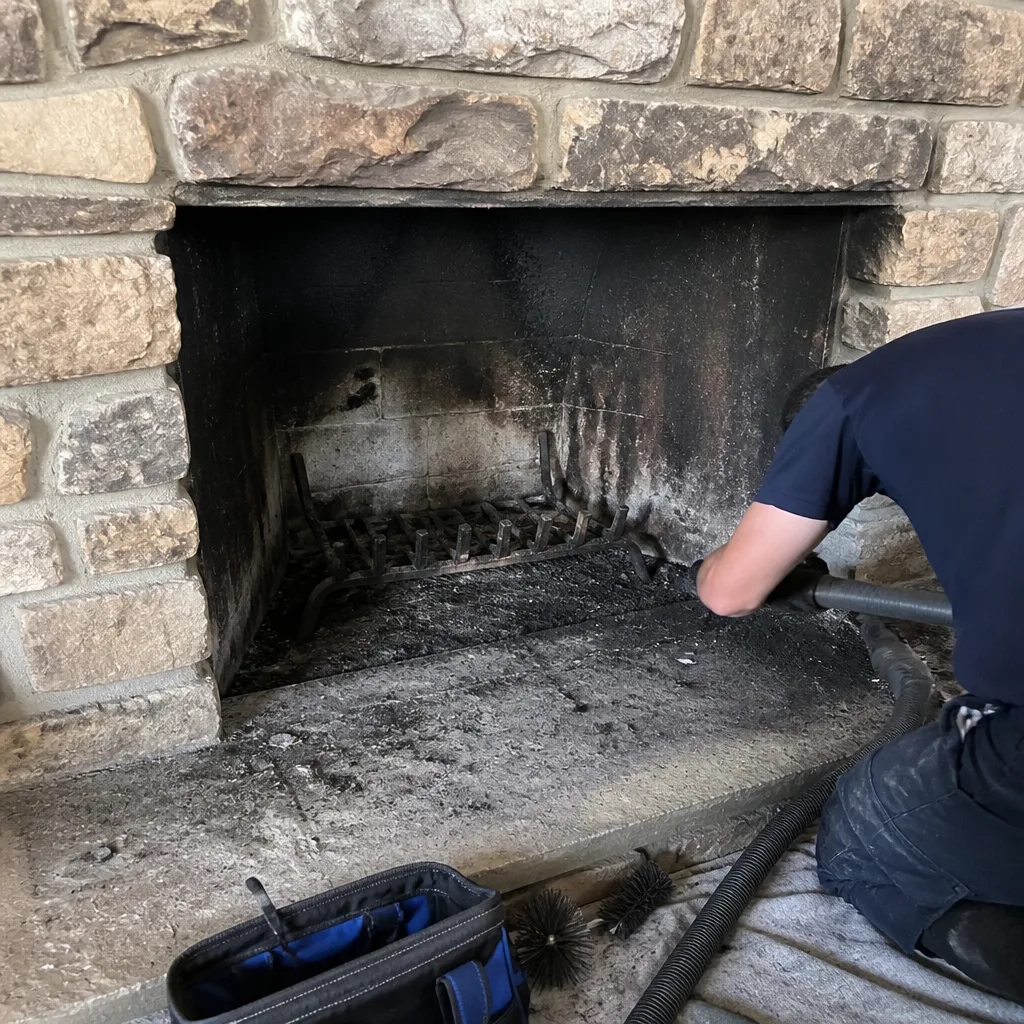 Before
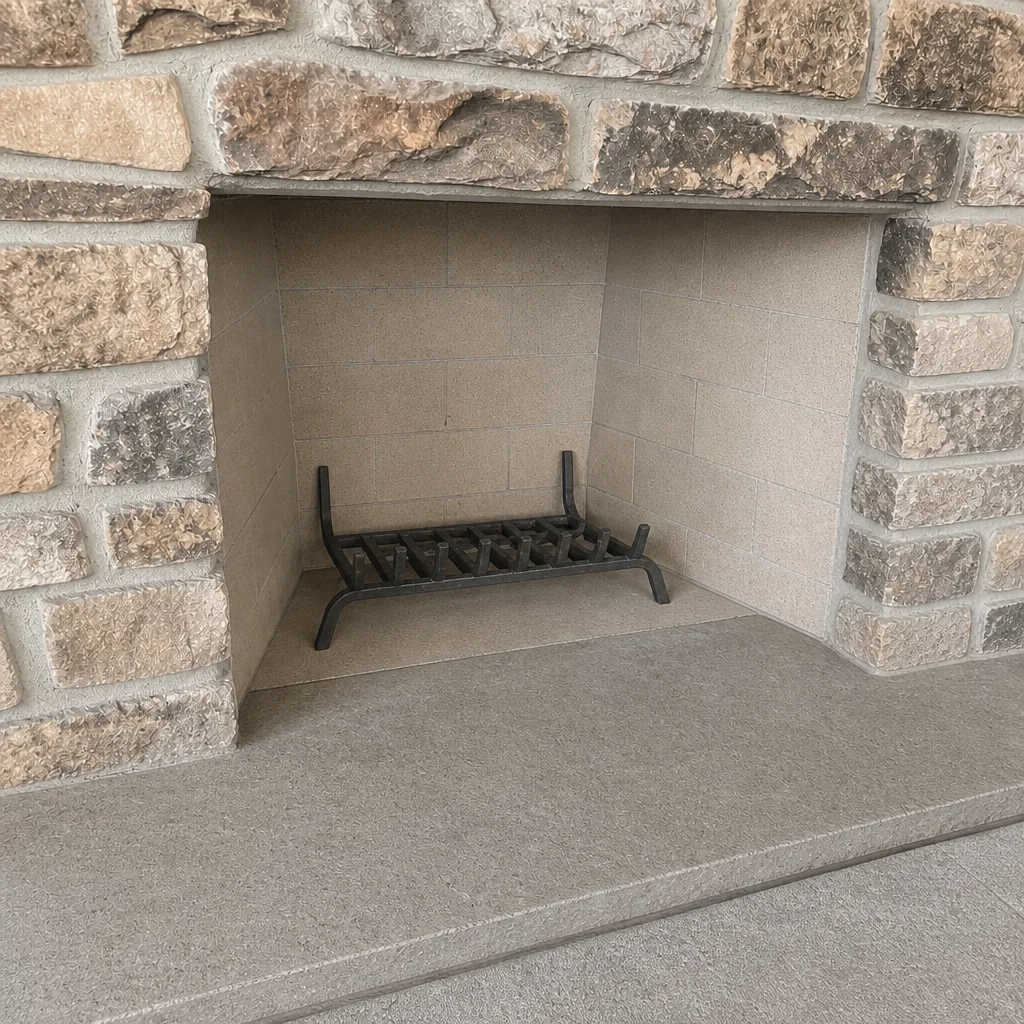 After
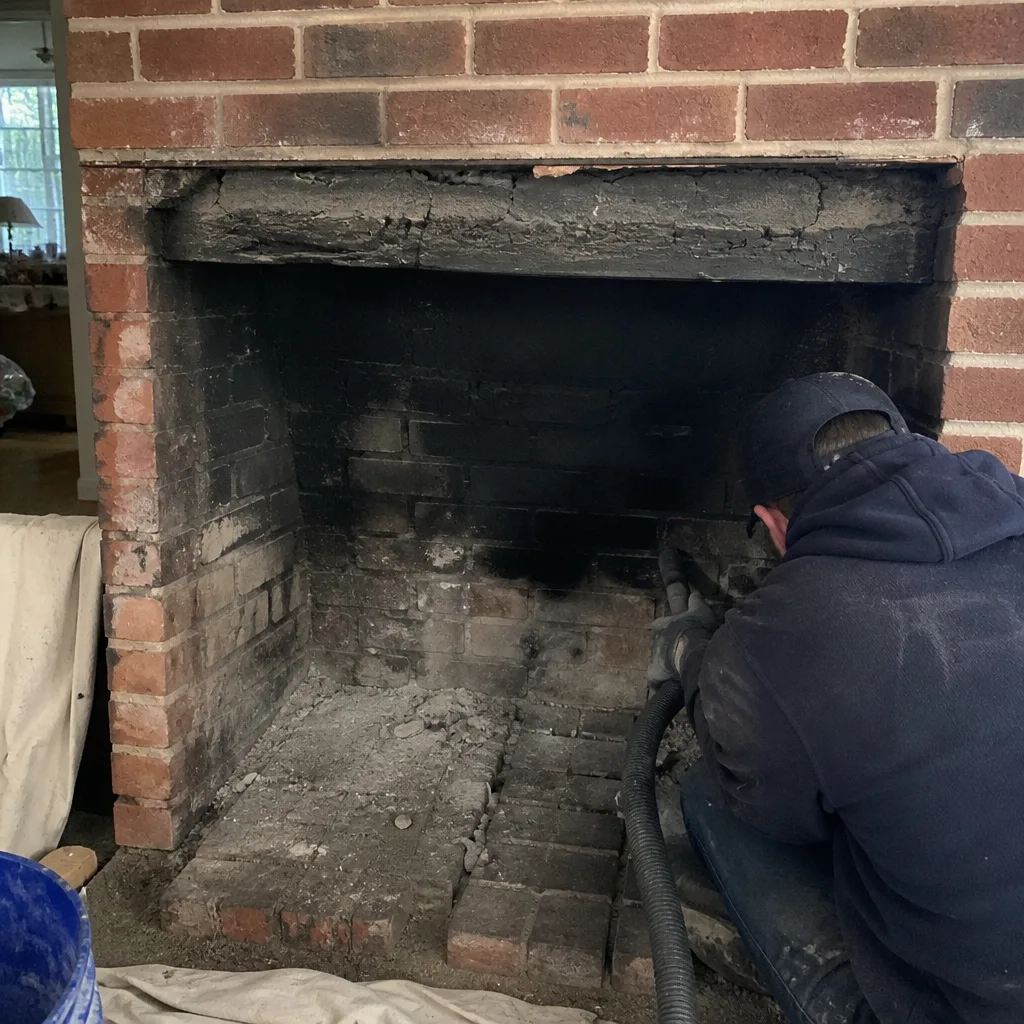 Before
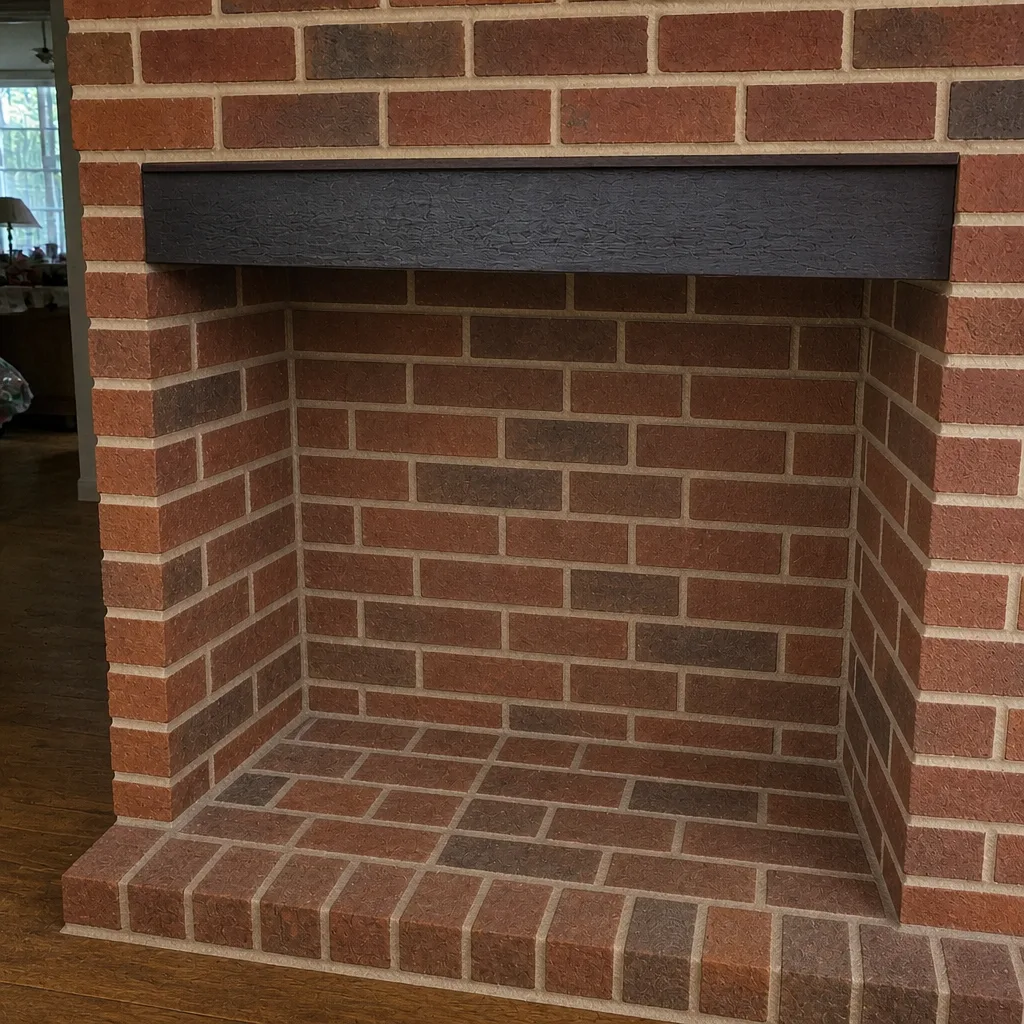 After
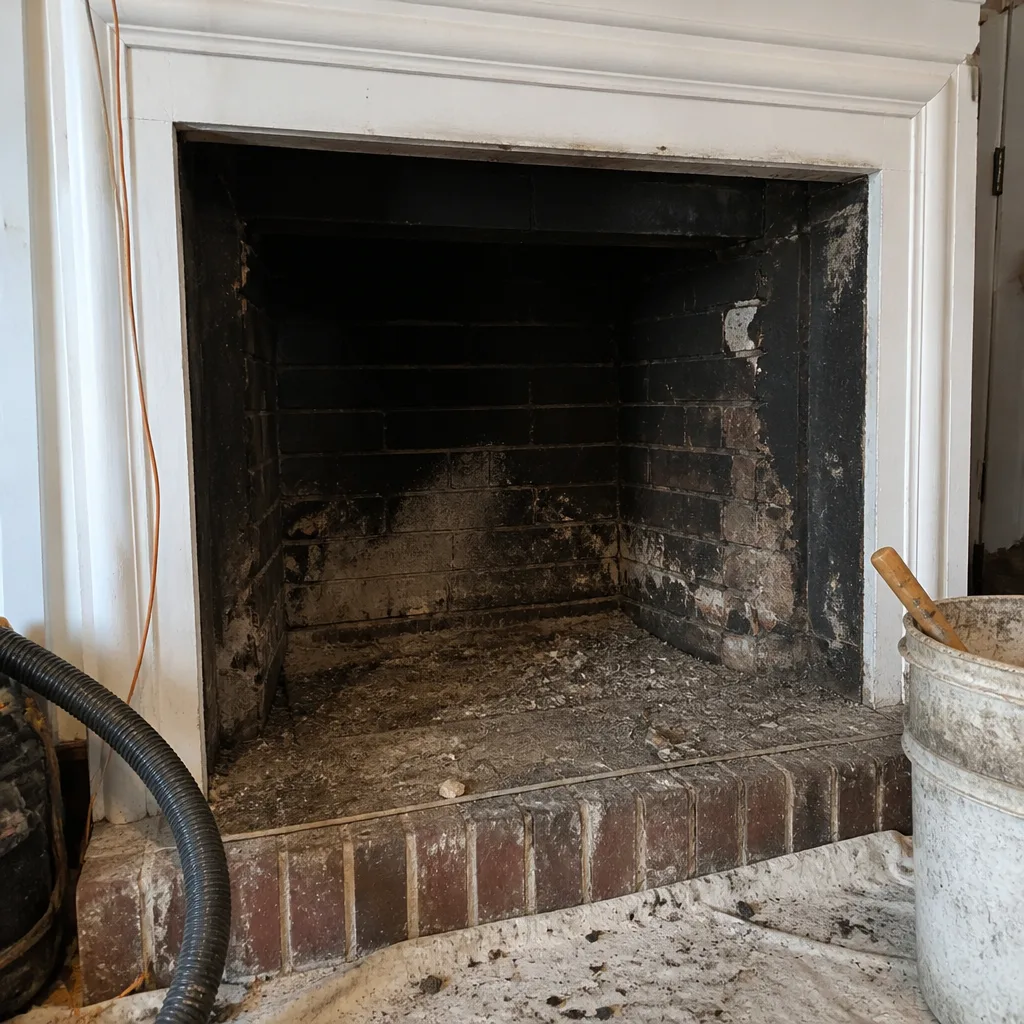 Before
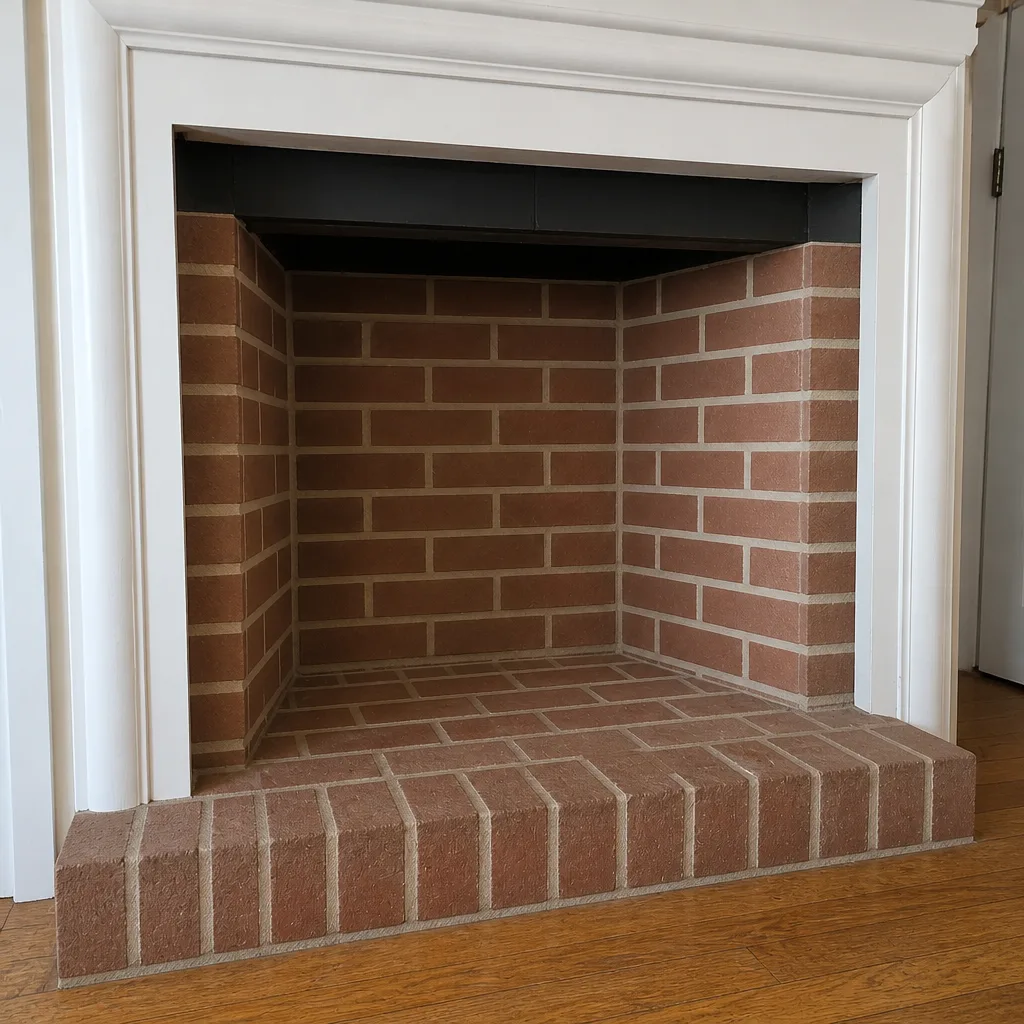 After
When to Call a Professional
Call a professional immediately if you see falling debris in the firebox, smell gas near any appliance connected to the chimney, notice soot stains or smoke damage around the firebox, or find that smoke rolls into the room even after the flue is warm. Two of these can indicate a liner or venting failure that requires trained diagnosis; gas odor is a safety emergency and calls for leaving the home and contacting your utility provider. Schedule an inspection promptly if you see exterior white staining, spalling brick, brown water stains, a persistent smell between fires, or a cap that’s crooked or missing. Chimney Sweep Plaza Midwood offers free estimates in Plaza Midwood; call (877) 320-6353. We answer 24/7. Fast dispatch from 7am to 7pm, Sunday through Friday.
Frequently Asked Questions
Most chimneys should be swept and inspected once a year if you burn firewood regularly, and more often if you use the fireplace heavily or notice draft problems. A yearly visit keeps the flue clean and catches the exterior and interior warning signs this guide covers while the fix is still small. Call (877) 320-6353 for a free estimate.
That’s almost always a draft and moisture problem, not a dirty flue, and the usual cause is a missing or damaged chimney cap. Damp outside air pushes old creosote odor down the stack. Sweeping the flue alone won’t stop it from returning on the next humid day, so the cap has to be checked first. Call (877) 320-6353 for a free estimate.
You need a new liner only if a camera inspection shows the existing one is cracked, spalling, or otherwise unable to safely contain the fire. Ask to see the camera image before deciding. A failing liner is a genuine safety concern, but it’s one you can and should verify with your own eyes. Call (877) 320-6353 for a free estimate.
Exterior white powdery residue is efflorescence, mineral salt pushed to the surface as water migrates through the masonry. It’s the earliest sign of moisture getting in, usually through a failed cap, crown, or flashing detail. Catching it here means a small repair rather than masonry damage later. Call (877) 320-6353 for a free estimate.
At minimum, creosote builds into a hard glaze that degrades draft and raises chimney fire risk; at worst, water and debris you didn’t see eat into the liner or the masonry. The one-season-versus-three-season pattern in this guide is real, and it’s why we inspect rather than just clean. Call (877) 320-6353 for a free estimate.
Often, yes. Because we handle sweep, inspection, fireplace repair, chimney repair, and cap and crown work in one visit, a diagnostic appointment can identify and address a bad cap or crown while the sweep is done. The flat-price sweep is agreed before booking and a camera inspection with photo report is included, so you see what we see. Call (877) 320-6353 for a free estimate.
The Bottom Line
Every chimney problem you’re likely to face announces itself before it becomes dangerous, but the signs are component-specific. White efflorescence on the brick, spalling faces, and dark streaks below the crown are exterior water damage. Brown firebox stains and falling debris are interior and liner problems. Slow draft, smoke rollout, and persistent odor are performance and pressure issues, and the weather in which they appear tells you which. Read the signal correctly and you treat the failing component instead of the symptom. Schedule a yearly chimney sweep, keep an eye on your chimney cap & crown, and let a camera inspection with a photo report confirm what you’re seeing. That’s how a Plaza Midwood homeowner gets from warning sign to a fix that lasts.
Talk to a Full-System Chimney Specialist in Plaza Midwood
Whether you’re seeing the first signs or have been putting off a look for more than a season, the right next step is a diagnostic visit that reads the whole system, from firebox to crown. We work with professional-grade product lines like DuraFlex, HeatShield, Olympia Chimney, and Copperfield, so when a cap, a liner, or a resurfacing job is genuinely needed, we specify the right material for the job. Instead of guessing, call Chimney Sweep Plaza Midwood for a free estimate and an honest read on what your chimney is telling you. Call (877) 320-6353. We answer 24/7. Fast dispatch from 7am to 7pm, Sunday through Friday. Our technicians have up to 15 years of experience.
Written by the team at Chimney Sweep Plaza Midwood.