
Last updated November 24, 2026
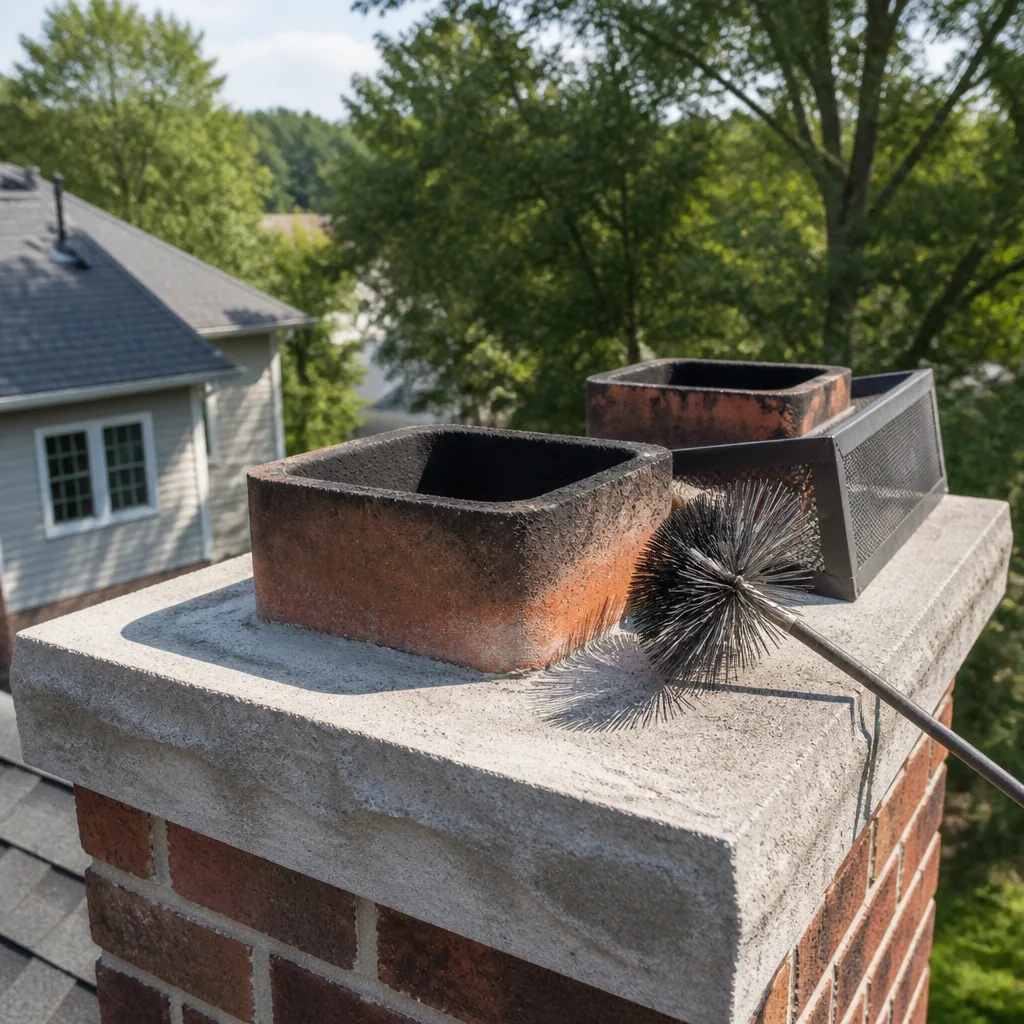 Sweep & inspection
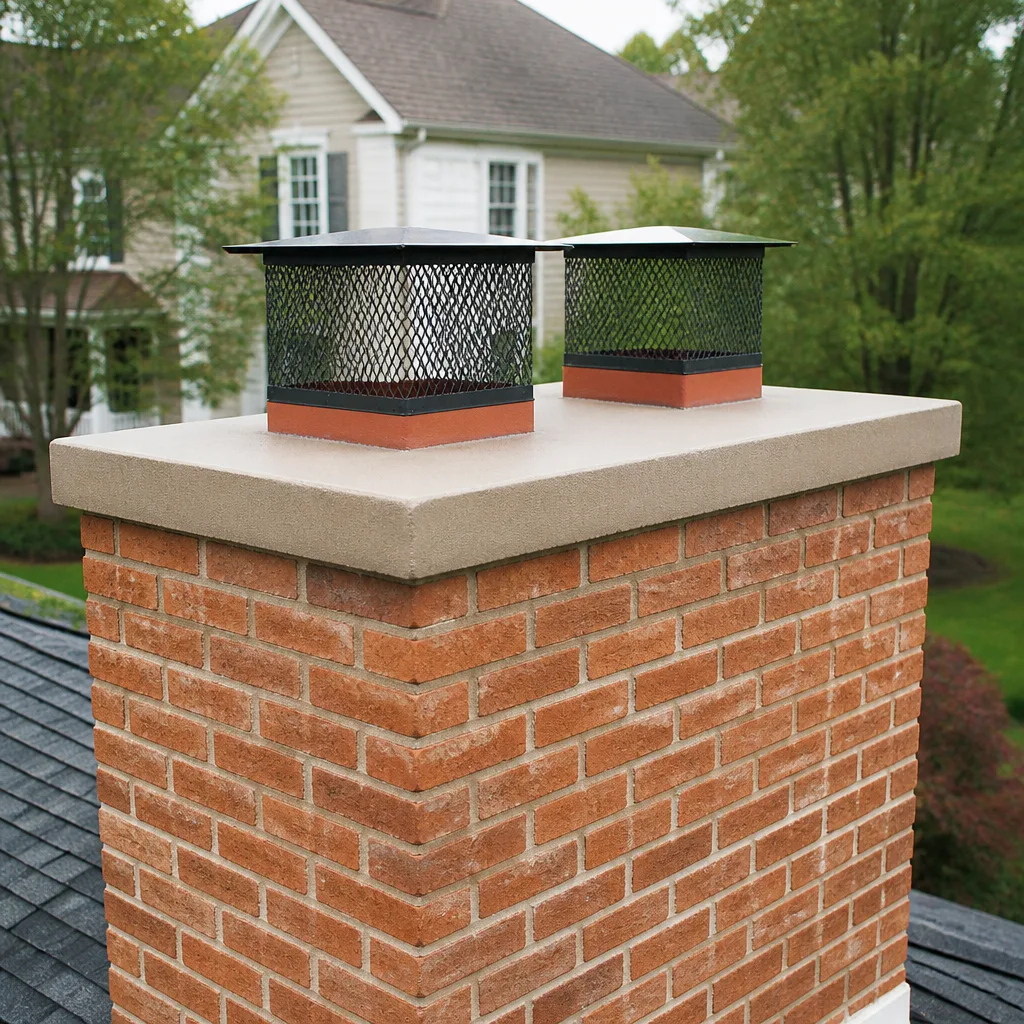 Caps & crowns
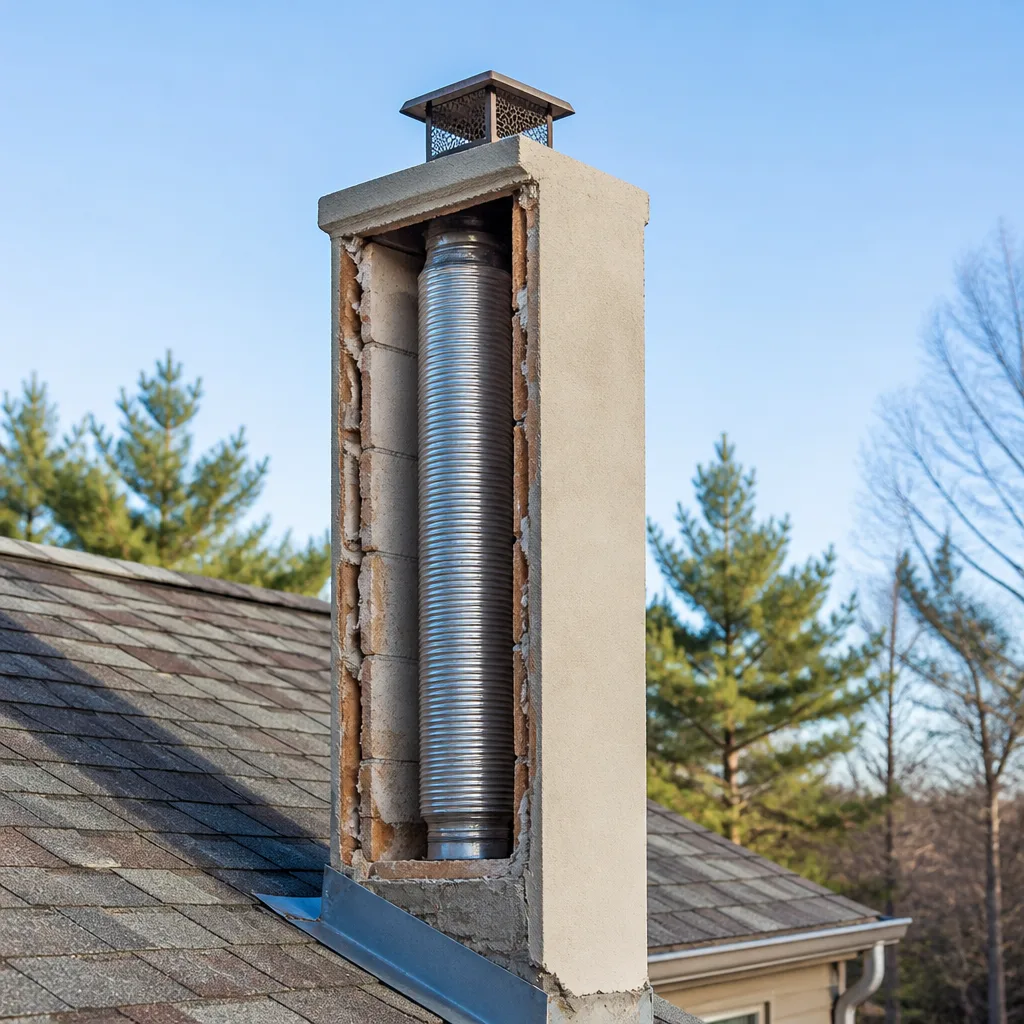 Flue relining
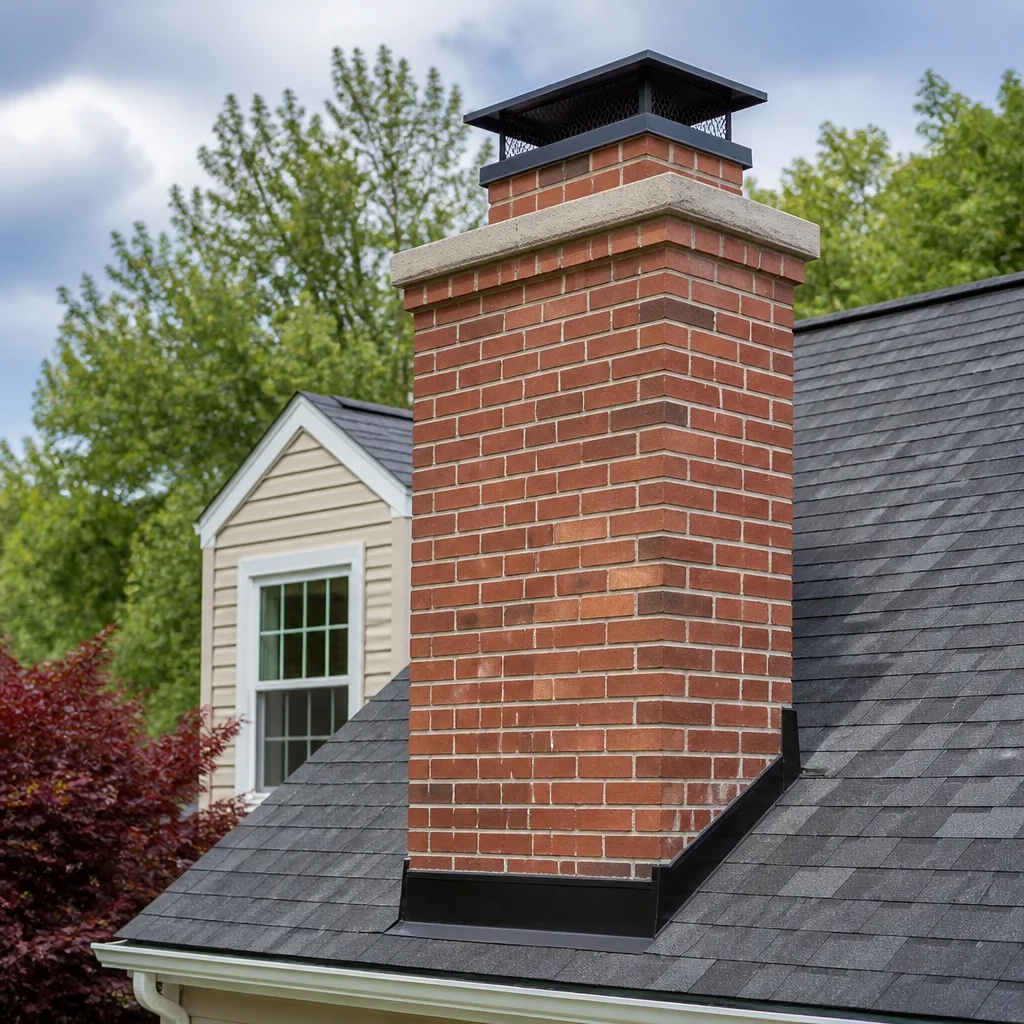 Masonry repair
 Gas fireplace service
Level 1 sweep and inspection to the NFPA 211 annual standard - flue, crown, cap, and flashing checked and photographed
Chimney sweep logs do not sweep chimneys. They loosen some creosote - which then falls where a brush and vacuum still have to collect it.
Chimney Cleaning Cost Breakdown: The Plaza Midwood Homeowner’s Reference for 2026
A $99 chimney sweep special almost never includes a camera inspection of the flue liner. That means the sweep is brushing a flue the contractor has never looked inside, so a hairline crack in the liner, a gap at a joint, or a heavy glaze of Stage 3 creosote can sit there untouched while you’re handed a receipt that says “cleaned.” In Plaza Midwood, where a lot of the housing stock runs from 1920s bungalows to mid-century ranches with original masonry fireplaces, that missing step matters. This guide itemizes what a real chimney cleaning involves in 2026, what each line item should cost, which parts of a quote are non-negotiable, and how to tell a full-system service from a flue-only brush.
Quick Answer
A standard chimney sweep in the Plaza Midwood market typically runs $180 to $350, a Level 1 inspection is often bundled into that price, and a Level 2 video inspection usually adds $150 to $300 on its own. A quote under roughly $130 is almost always a flue-only brush with no camera work. Full-system services that include liner assessment, crown and cap checks, and photo documentation generally land between $300 and $500 for a single visit.
Styles & brands we work with
- Sweep & inspection
- Caps & crowns
- Flue relining
- Masonry repair
- Gas fireplace service
Table of Contents
- What line items should be in a 2026 chimney cleaning quote?
- What drives the price up or down?
- How much does creosote stage change the cost?
- Does fireplace type change what you’ll pay?
- Why is the cheapest quote often the most expensive?
- How to read a chimney quote line by line
- What a full-system service prevents versus a later liner repair
- Common mistakes to avoid
What line items should be in a 2026 chimney cleaning quote?
A complete quote should list each service as a separate line with a price range beside it. When a contractor hands you a single number with no breakdown, you have no way to tell whether the liner was inspected, whether the smoke chamber was addressed, or whether the crown was even looked at. Here’s what a real itemized quote should contain, with typical 2026 ranges for the Plaza Midwood area.
- Standard chimney sweep: $180 to $350. Covers brushing the flue, removing soot and creosote from the firebox and smoke shelf, and a basic visual check. This is the floor of any real service.
- Level 1 inspection: usually $0 to $75 when bundled with a sweep. A visual check of accessible components from the firebox and, where possible, the roof.
- Level 2 video inspection: $150 to $300. A camera run through the full flue with a recorded or photographed report. This is the line item that catches liner cracks, joint gaps, and offset damage.
- Smoke chamber resurfacing: $600 to $1,400. Parging the smoke chamber smooth so creosote can’t cling to corbelled masonry. HeatShield ceramic resurfacing is the method we specify when the chamber is deteriorated but structurally sound.
- Crown repair: $400 to $900. Patching or rebuilding the concrete crown that sheds water away from the flue. A cracked crown is the single most common way water gets into a Plaza Midwood chimney.
- Cap replacement: $150 to $450 depending on flue dimensions. A properly fitted cap keeps rain, birds, and squirrels out of an open flue.
When you’re comparing quotes on a Chimney Sweep Plaza Midwood page or from any contractor, add up the line items and see if the totals land where they should. A quote that names every component is a quote you can actually trust.
What drives the price up or down?
Four things move the price of a chimney cleaning more than anything else: flue height, creosote stage, fireplace type, and how accessible the roof is. A one-story ranch with a straight flue and light soot is a fast job. A two-story 1920s bungalow with a tall exterior stack, a flue offset, and a heavy creosote load takes real time and the right tools. In Plaza Midwood, the mix of housing means we see both ends of that spectrum in the same neighborhood.
Flue height matters because the technician has to reach it safely. A tall stack on a steep roofline needs ladder work and roof protection that a short flue doesn’t. Creosote stage matters more than height. Stage 1 is light, flaky soot that brushes out quickly. Stage 2 is glazed and crusty and needs more aggressive mechanical cleaning. Stage 3 is a hard, tar-like glaze that requires chemical treatment before brushing and often points to a liner or draft problem underneath it. We’ll cover creosote in detail in the next section.
Fireplace type also changes the labor. A traditional masonry fireplace has a firebox, smoke shelf, and damper that all need clearing. A zero-clearance prefab has a factory flue with specific clearance requirements and a different cleaning setup. A wood insert has to be checked around the collar where the flue connects. Each type changes the tool set and the time on the job, which shows up in the line item.
How much does creosote stage change the cost?
Creosote stage can roughly double a cleaning cost between the lightest and heaviest buildup. Stage 1 removal usually fits inside the standard sweep range of $180 to $350. Stage 3 removal can push the service to $500 or more because it involves chemical treatment, a follow-up brushing, and often a Level 2 camera inspection to see what caused the glaze in the first place. Here’s how the three stages break down in practice.
- Stage 1: Light, flaky, and easy to brush. This is the normal residue from a properly burning fire. Standard sweep pricing applies and the technician can usually confirm clean conditions with a visual check.
- Stage 2: Crusty, glazed, and harder to remove. It clings to the liner and needs mechanical brushing with the right head for the flue material. Expect the upper end of the sweep range plus a camera inspection to verify the liner isn’t damaged underneath.
- Stage 3: A hard, tar-like glaze that looks like a burned-on coating. Chemical creosote remover has to soften it before it can be brushed out, and the job can take more than one visit. Stage 3 buildup is a sign that the fireplace has been burning green or wet wood, the draft is poor, or the flue is oversize for the firebox. All three are worth fixing.
One thing worth saying plainly: Stage 3 creosote raises the risk of a chimney fire, and that risk is not something to sit on through a heating season. The cleaning itself is not the scary part. The buildup that keeps accumulating because the flue was never properly swept is.
Does fireplace type change what you’ll pay?
Yes. The three common configurations in Plaza Midwood homes each have their own cost profile, and confusing them is one of the easiest ways to get an inaccurate quote.
Masonry fireplaces are the original brick-and-mortar builds in the older Plaza Midwood bungalows. They typically need the full sweep plus a careful inspection of the smoke chamber, damper, and liner joints. Mortar joints in an older masonry flue can deteriorate, and that’s exactly what a camera inspection is for. If the liner has gone bad, a HeatShield ceramic resurfacing or a DuraFlex stainless liner system is the fix, and the cost of that work is separate from the cleaning.
Zero-clearance prefab fireplaces have a factory-built metal flue and specific clearance requirements. Cleaning is usually faster, but the technician has to know the manufacturer’s limits and avoid damaging the flue with the wrong brush. A prefab flue that’s been overfired can warp, and that’s a liner replacement, not a cleaning.
Wood inserts sit inside an existing firebox and connect to the flue through a collar. The cleaning has to account for the collar connection, and the insert often has to be partly pulled to inspect the liner properly. That adds time. If your insert was installed by a previous owner and you don’t have documentation, a Level 2 inspection is the way to find out what’s actually behind it.
Why is the cheapest quote often the most expensive?
The cheapest quote is often the most expensive because it strips out the inspection that would have found the actual problem. When a coupon-sweep brushes a flue without a camera, the contractor has no idea whether the liner is cracked, whether a joint has opened up, or whether the crown is failing. You get a clean-looking chimney and no information about the part that matters most.
In our experience, the pattern plays out the same way across Plaza Midwood. A homeowner books the low-price sweep in the fall. The chimney looks clean. The next spring, water is staining the ceiling or the fire smells wrong, and a follow-up inspection finds a liner crack that a camera would have caught six months earlier. At that point, the repair is a liner replacement, not a cleaning, and the total is far higher than a full-system service would have been.
What a professional-grade quote should include, at minimum:
- A camera inspection of the full flue, with photos or a recording you can look at yourself
- A visual check of the crown, cap, and flashing from the roof
- A check of the smoke chamber and damper
- A written report noting any condition that needs attention and a clear recommendation on timing
If a quote doesn’t include those items, it isn’t a cheaper version of the same service. It’s a different, incomplete service that leaves the most important checks on the table. You can see what our sweep and inspection visit covers on the chimney sweep page.
How to read a chimney quote line by line
Read a chimney quote the way you’d read a car repair estimate: separate the maintenance work from the repair work, and check whether every line has a reason. The maintenance lines are non-negotiable for a safe, complete service. The repair lines should each be backed by a photo or a camera finding you can verify.
Non-negotiable line items for a safe, complete service:
- Sweep of the flue with the right brush for the liner material
- Level 1 visual inspection of accessible components
- Level 2 camera inspection if the flue hasn’t been inspected in the last few years, has any history of fire, or has visible damage at the firebox
- Crown and cap check from the roof
- Written report with photos
Legitimate repair items that follow from the inspection:
Smoke chamber resurfacing when the chamber is deteriorated, crown repair when the crown is cracked, a cap replacement when the old cap is missing, rusted, or the wrong size, and a liner restoration when the camera shows a failure. Each of those should come with a photo and a plain-language explanation of what happens if it waits.
Items to question:
A “chemical sweep” added to every job without a creosote reading, a liner quote with no camera evidence, and any cap that isn’t sized to your flue dimensions. A properly fitted cap from a maker like Gelco or Famco is measured to the flue, not forced to fit. If the contract doesn’t name the product and the size, ask why.
What a full-system service prevents versus a later liner repair
The cost gap between a full-system service and a later liner repair is roughly a factor of five. A full-system visit runs $300 to $500 in the Plaza Midwood market and covers the sweep, the inspection, the camera check, and the crown and cap assessment. A liner repair, once a crack or joint failure is found, typically runs $1,200 to $3,000 or more depending on the flue configuration and the product specified. The math is not subtle.
What the full-system service prevents is a list of problems that all start as small, visible findings and turn into structural repairs if they’re ignored:
- A hairline liner crack that lets heat reach combustibles behind the flue
- A crown crack that funnels rainwater into the masonry, where it freezes and spalls brick
- A missing or undersized cap that lets birds and squirrels nest in the flue and drop debris into the firebox
- A deteriorated smoke chamber that clings to creosote and accelerates glaze buildup
- A damper that no longer seals and lets conditioned air escape year-round
The pattern across Plaza Midwood is consistent: the homes that get inspected every year or every other year catch these problems at the patching stage. The homes that only get the cheap brush catch them at the rebuild stage. If the camera shows a liner that’s failing, we specify a DuraFlex stainless liner system or a HeatShield ceramic resurfacing rather than jump to demolition. Restoring a liner that’s still structurally sound is almost always cheaper than tearing it out.
Common mistakes to avoid
- Booking a sweep with no inspection attached. A sweep without a camera leaves the liner unexamined, and the liner is the part that fails quietly. Ask for the inspection in writing before you book.
- Assuming a coupon price covers the full job. A $99 headline often excludes the camera, the crown check, and the report. Read the fine print and compare the line items, not the top number.
- Burning wet or unseasoned wood in a Plaza Midwood fireplace. Green wood lays down Stage 2 and Stage 3 creosote faster than dry wood, and that buildup is what drives the cost of the next cleaning up. Season your wood before you burn it.
- Skipping the crown and cap because they’re out of sight. The crown and cap are the chimney’s weather protection. A cracked crown is the most common entry point for water in older masonry, and it’s a repair that gets bigger every season it waits.
- Letting a contractor replace the liner without showing you the camera footage. Ask to see the photos. If the contractor can’t produce them, get a second opinion before authorizing the work.
- Treating a prefab flue like a masonry flue. Zero-clearance fireplaces have factory limits on clearance and brush type. A technician who doesn’t check the manufacturer’s requirements can damage the flue during a routine cleaning.
- Waiting until the fire smells wrong to schedule service. A smoky fire is often the last symptom, not the first. The problems a camera catches are usually silent until they aren’t.
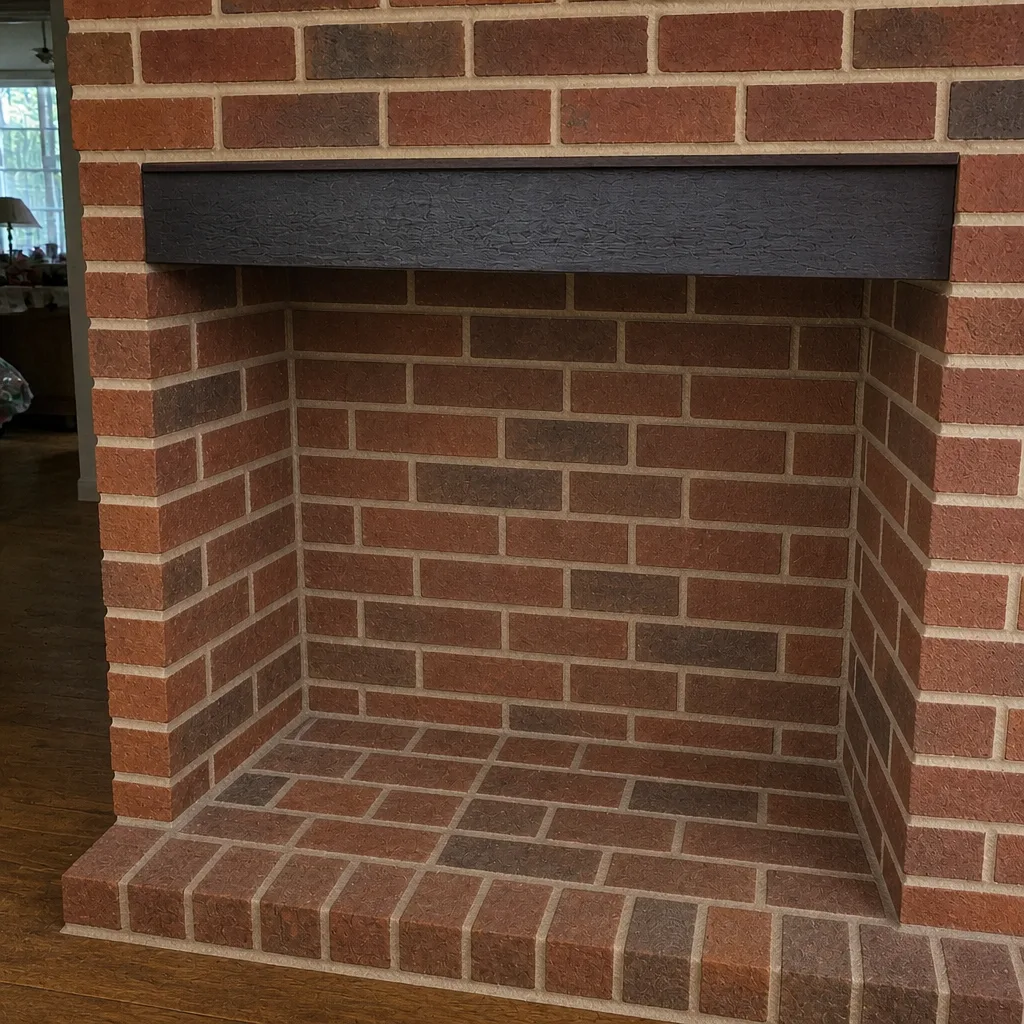
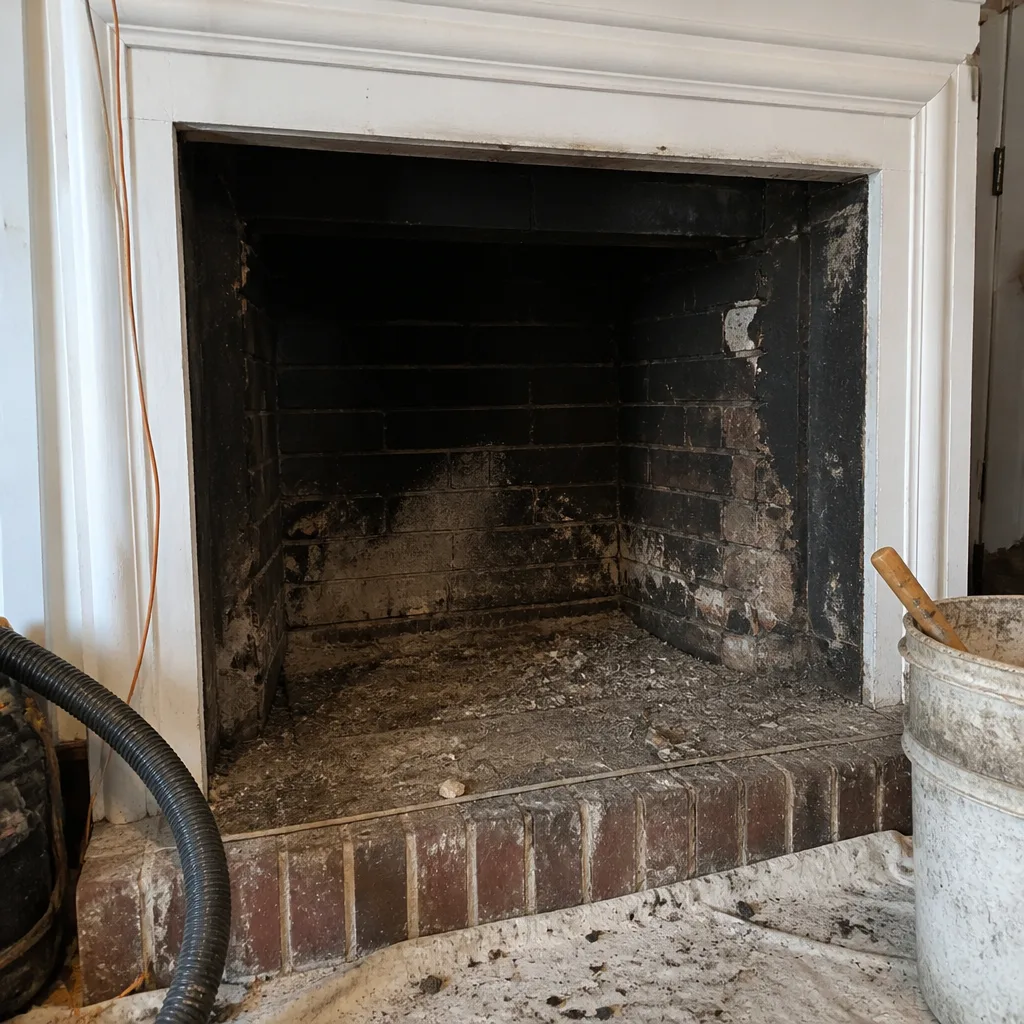
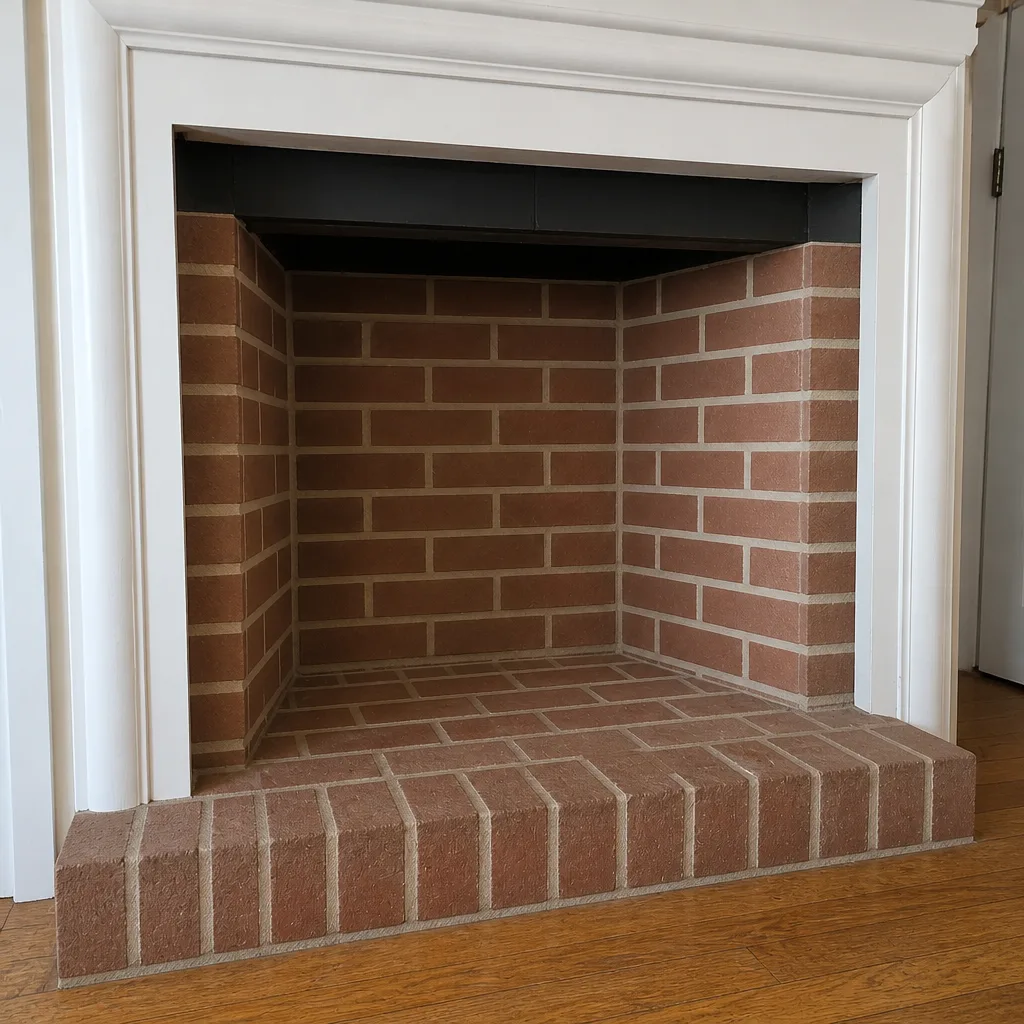
See the difference
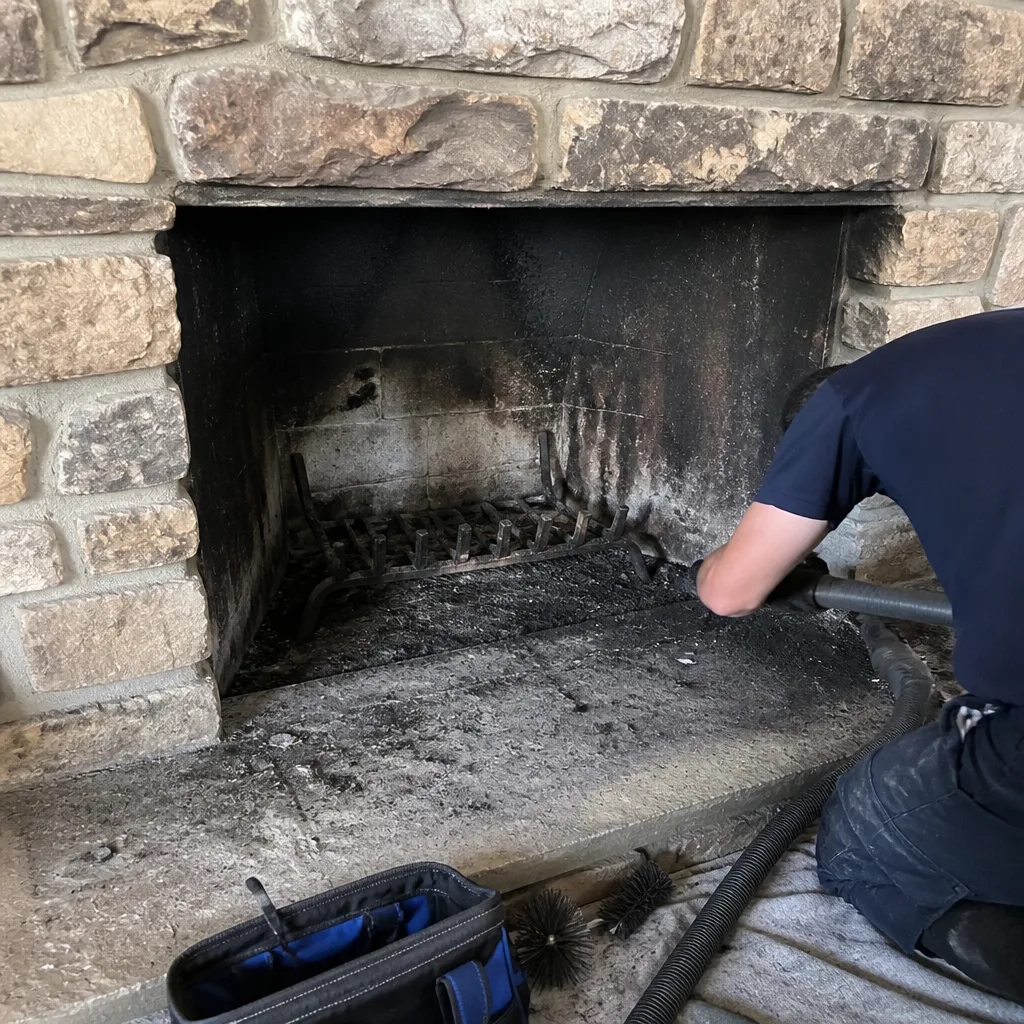 Before
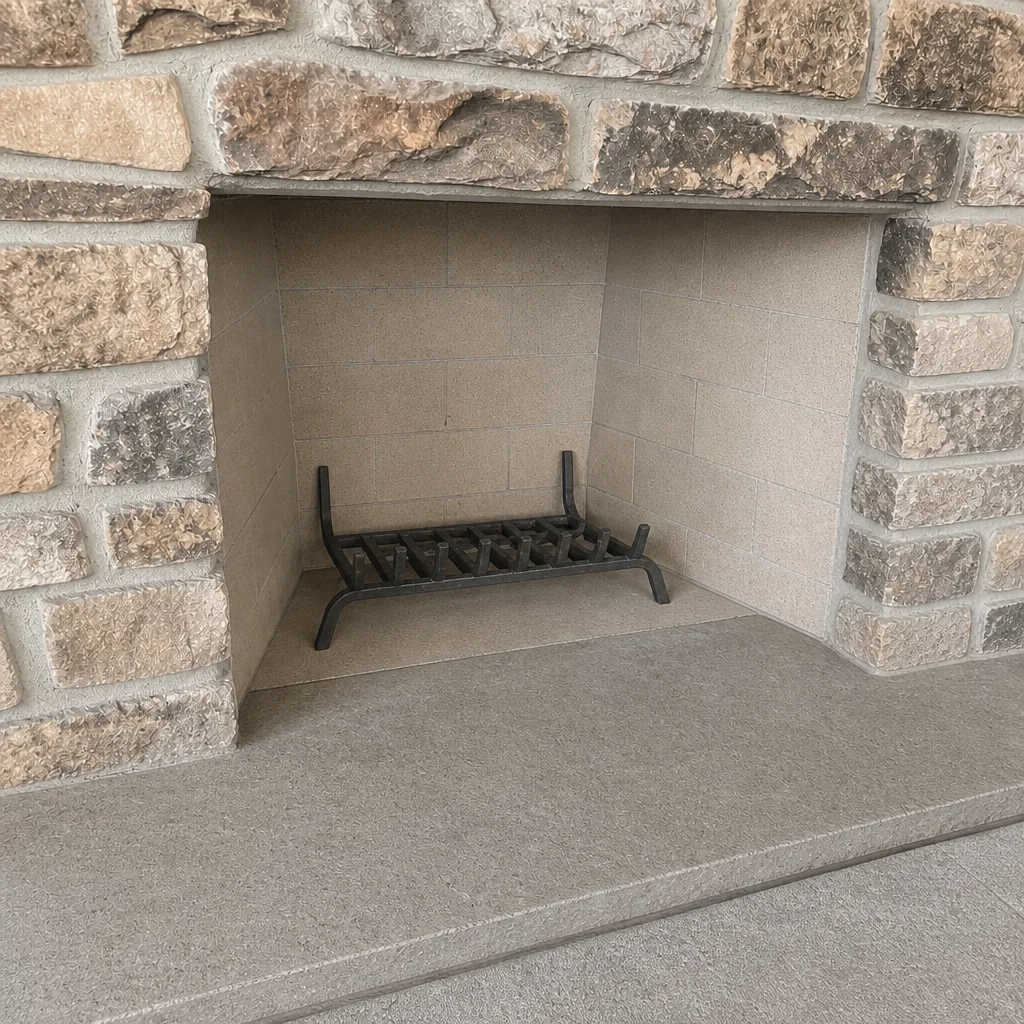 After
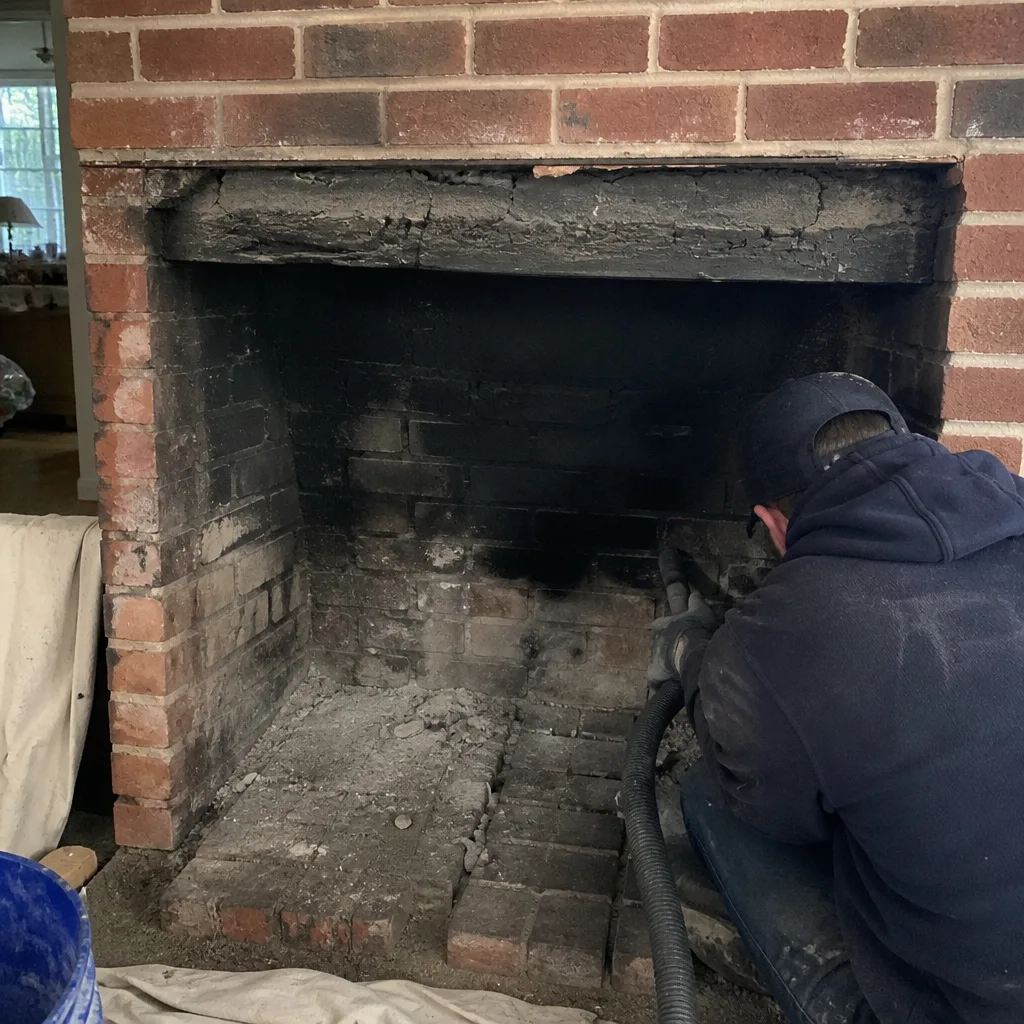 Before
 After
 Before
 After
When to Call a Professional
Call a professional when you haven’t had the flue inspected in the last few years, when you’re buying a home with a fireplace and no service records, after any chimney fire however small, when you see water staining or rust on the firebox, when the damper no longer seals, or when the fire smokes into the room instead of drafting up. Each of those is a sign that something in the system needs a camera check, not another brush. Chimney Sweep Plaza Midwood offers free estimates in Plaza Midwood. Call (877) 320-6353. We answer 24/7. Fast dispatch from 7am to 7pm, Sunday through Friday. Our technicians have up to 15 years of experience, and one visit gives you the full picture from firebox to crown. For fireplace-specific concerns, look at fireplace repair, and for weather protection at the top of the system, see chimney cap & crown.
Frequently Asked Questions
A standard chimney sweep in Plaza Midwood typically costs $180 to $350, and a Level 2 video inspection adds $150 to $300 if it isn’t bundled. Full-system visits that include the camera, crown and cap check, and written report usually land between $300 and $500. Call (877) 320-6353 for an exact quote. Estimates are free.
Yes, if the flue hasn’t been inspected recently, if the home is new to you, or if there’s any history of fire or water intrusion. The camera is how a contractor actually sees the liner, and the liner is where the failures that matter live. A cleaning without a camera is a brush without a diagnosis. Call (877) 320-6353 to book a sweep with the inspection included.
Most chimneys should be swept annually while the fireplace is in regular use, and inspected at the same time. If you burn only occasionally, every other year can be reasonable, but the inspection is what tells you which schedule fits your flue. Plaza Midwood’s long heating season and the older masonry stock here both argue for the annual check. Call (877) 320-6353 and we’ll recommend a schedule for your specific chimney.
Creosote accumulates in the flue, and heavy buildup raises the risk of a chimney fire because creosote is flammable. The inspection you skip is also the one that would catch a cracked liner or a failing crown before it turns into a repair. Skipping a season isn’t automatically dangerous, but skipping several without a camera check means you don’t know what condition the flue is in. Call (877) 320-6353 for a free estimate and a written report you can look at yourself.
Because the liner isn’t one product. A quoted liner at one price may be a different material, thickness, or connection method than a quote from another contractor, and some quotes bundle the smoke chamber and crown work while others leave it out. Ask for the product name, the size, and the camera photos that justify the work. We specify DuraFlex stainless liner systems or HeatShield ceramic resurfacing depending on what the flue actually needs. Call (877) 320-6353 for a written estimate with photos.
It can, but it shouldn’t be called a complete service if it was. The crown and cap are the weather protection for the whole system, and a cracked crown is one of the most common water entry points in older masonry. We check them on every full-system visit and fit caps sized to the flue dimensions, including Gelco and Famco options. Call (877) 320-6353 to book a full-system visit.
The Bottom Line
Chimney cleaning pricing in the Plaza Midwood market in 2026 comes down to what’s inside the quote. A sweep alone runs $180 to $350, a camera inspection adds $150 to $300, and a full-system visit that covers the camera, crown, cap, and written report lands between $300 and $500. The low headline number is usually a flue-only brush with the diagnosis stripped out. The high-line repairs, like a liner restoration at $1,200 and up, are what a full-system service is designed to catch early. Know the line items, ask for the photos, and compare quotes on the parts that matter. One visit, full picture, from firebox to crown.
If you’re ready to see your chimney’s condition for yourself, call Chimney Sweep Plaza Midwood at (877) 320-6353 for a free estimate. We answer 24/7. Fast dispatch from 7am to 7pm, Sunday through Friday. We sweep, inspect, repair, and protect every component of the system, and we’ll tell you plainly when work can safely wait.
Written by the team at Chimney Sweep Plaza Midwood.