
Last updated November 24, 2026
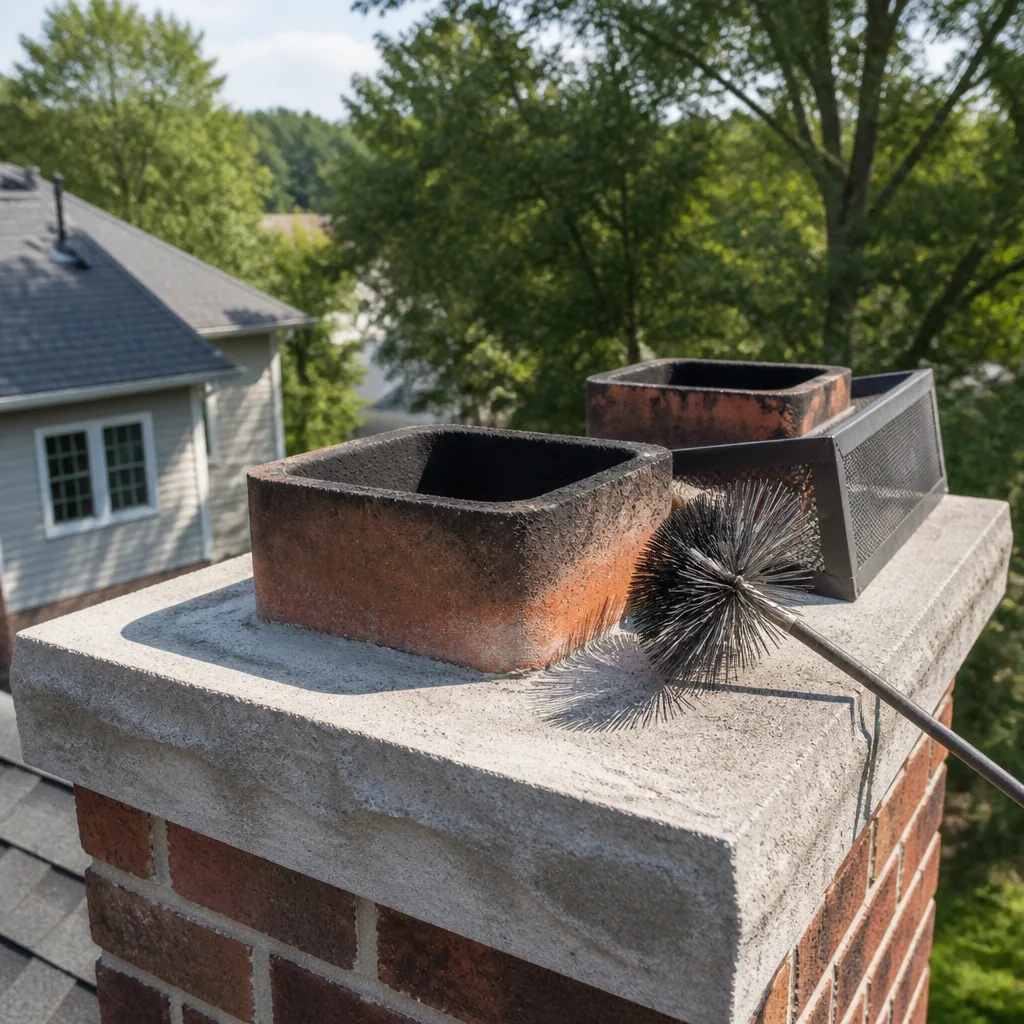 Sweep & inspection
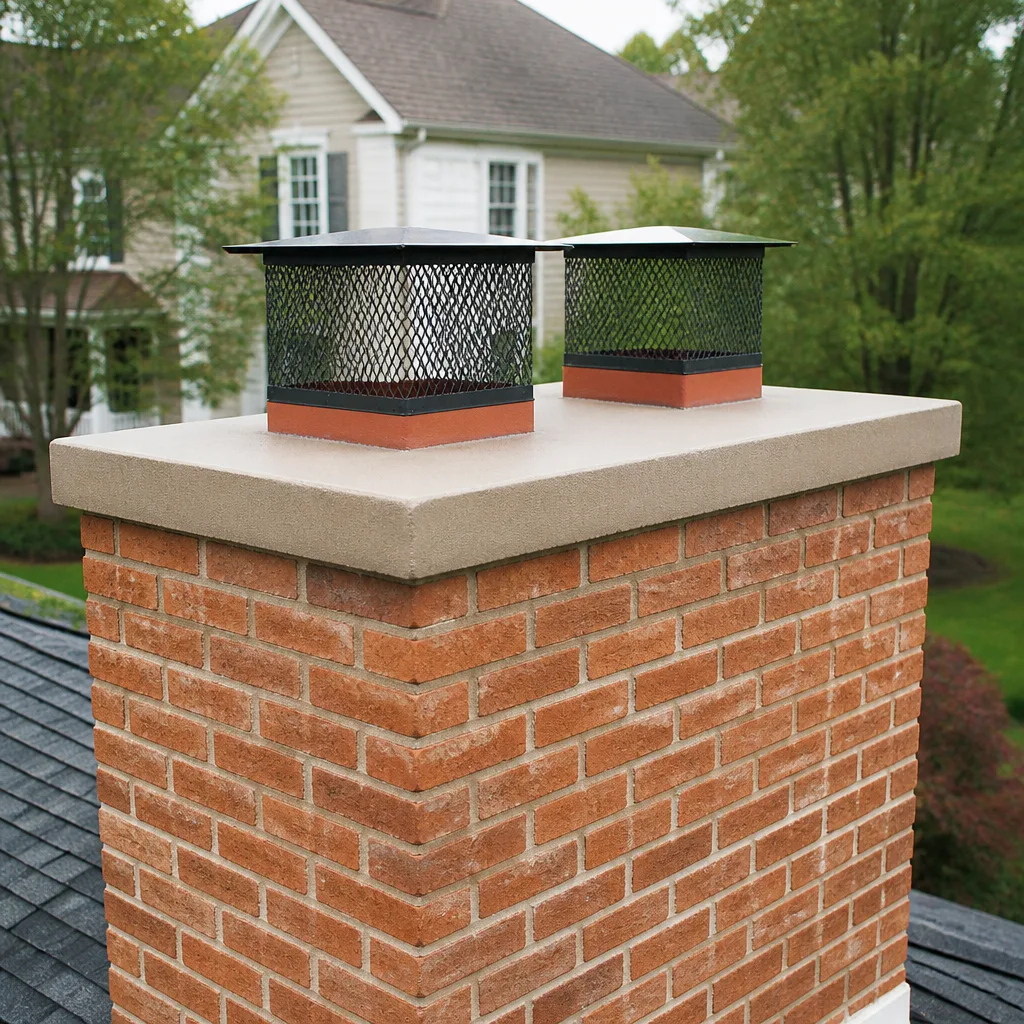 Caps & crowns
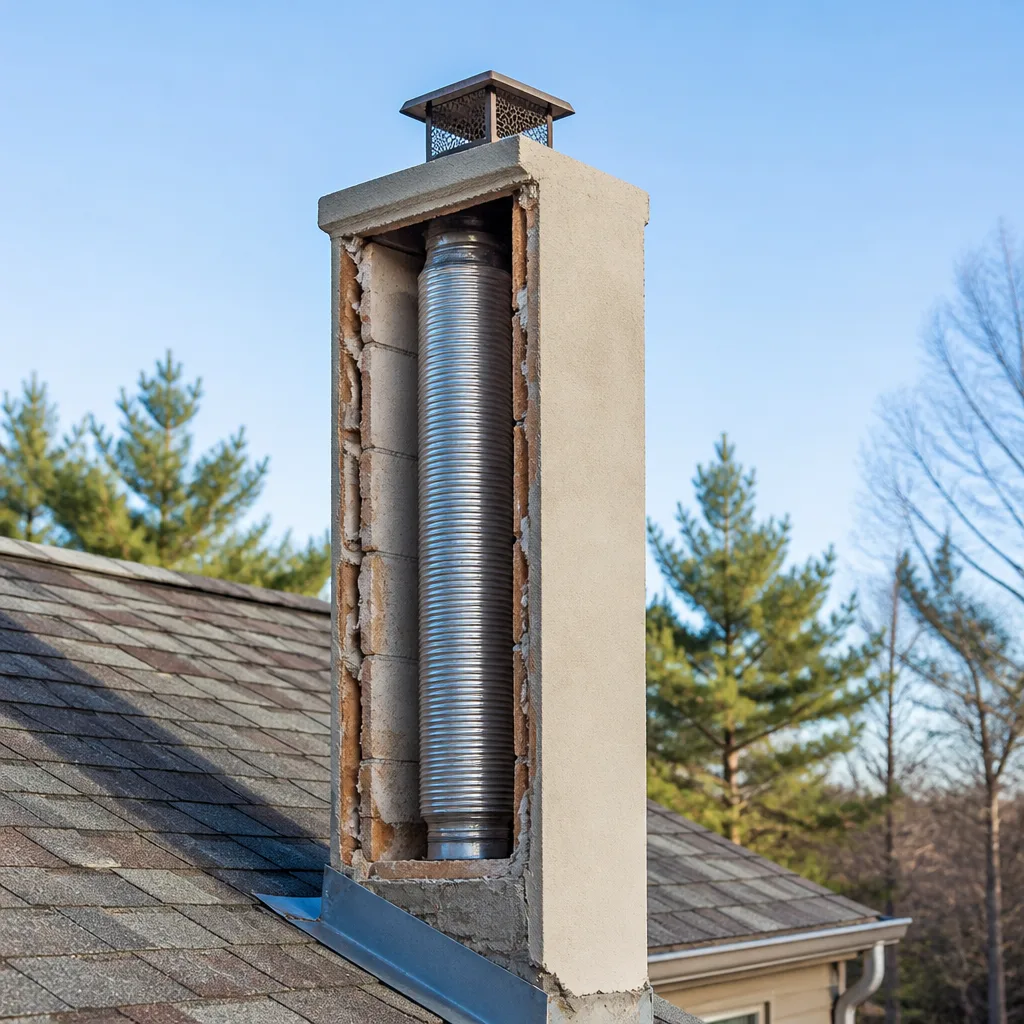 Flue relining
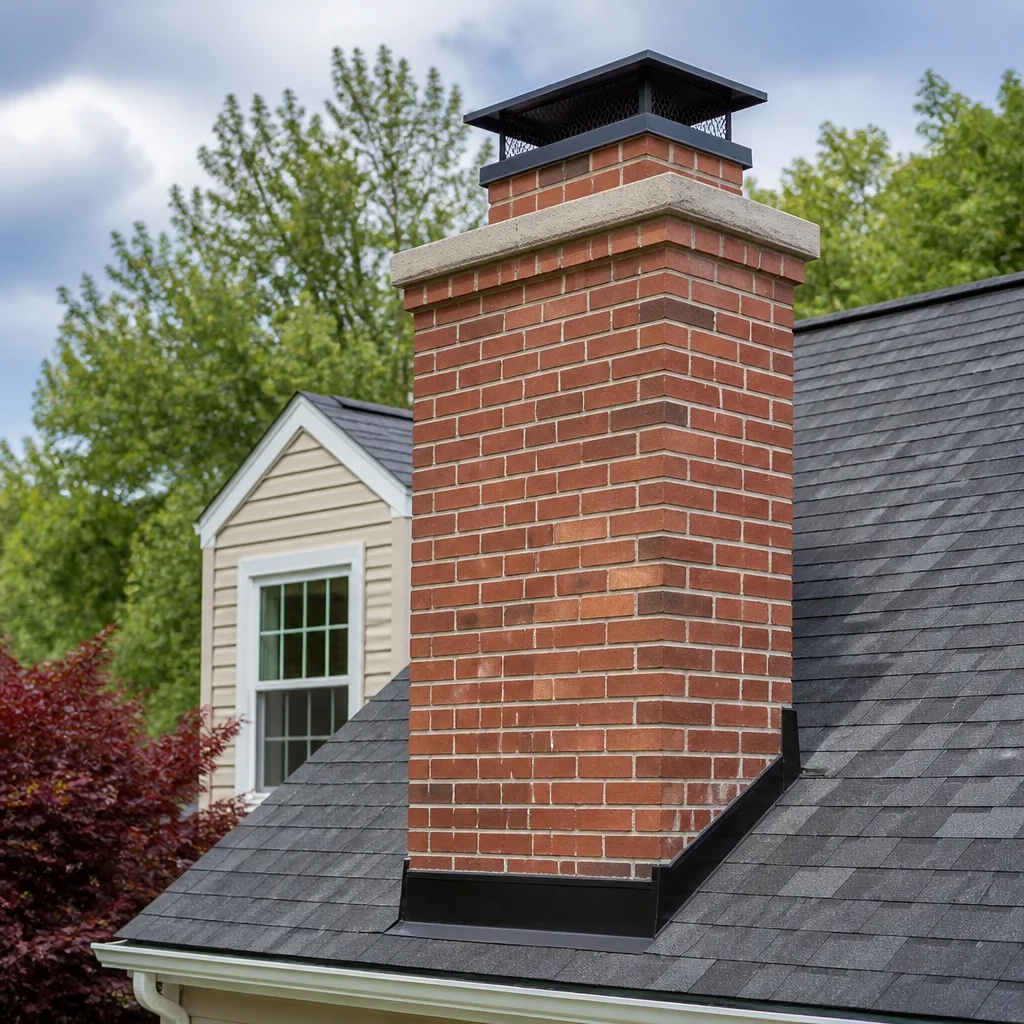 Masonry repair
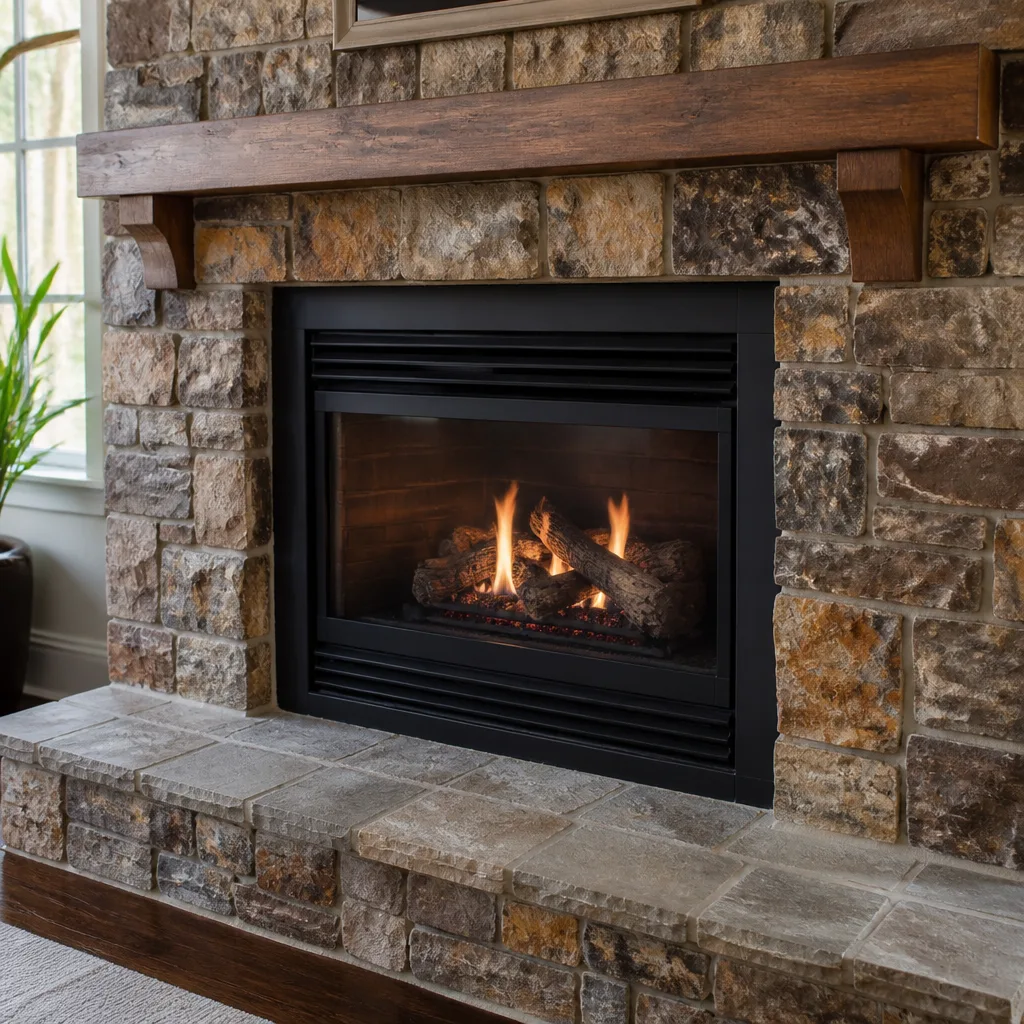 Gas fireplace service
Level 1 sweep and inspection to the NFPA 211 annual standard - flue, crown, cap, and flashing checked and photographed
Chimney sweep logs do not sweep chimneys. They loosen some creosote - which then falls where a brush and vacuum still have to collect it.
Seasonal Chimney Cleaning Care for Plaza Midwood: Year-Round Homeowner’s Guide
Summer is when chimney masonry absorbs the most moisture in the Carolinas. Brick and mortar pull in humidity through long weeks of heavy air, and that stored water is what spalls brick faces and cracks crowns once temperatures drop in January. By the time the first frost arrives, the damage is already done. That’s why a single pre-winter sweep doesn’t cover a Plaza Midwood chimney. The climate here hands masonry a different job each season, and this guide breaks down what each one asks of your system, from spring pollen to the freeze-thaw cycles of midwinter.
Quick Answer
Chimney care in Plaza Midwood runs on a four-season rhythm: inspect and clear in spring, waterproof and watch the cap in summer, sweep and assess creosote in fall, and monitor draft and flashing in winter. The fall sweep matters, but the summer moisture work is what protects the masonry from the freeze-thaw damage that shows up in January and February.
Styles & brands we work with
- Sweep & inspection
- Caps & crowns
- Flue relining
- Masonry repair
- Gas fireplace service
Table of Contents
- Why Plaza Midwood Weather Sets Its Own Chimney Schedule
- Spring: Post-Season Inspection and Pollen Cleanup
- Summer: The Waterproofing Window and Cap Checks
- Fall: Pre-Season Sweep and Creosote Assessment
- Winter: Draft Problems and Ice Dams
- How Plaza Midwood’s Tree Canopy Changes the Schedule
- From Firebox to Crown: What a Full-System Visit Covers
- Common Mistakes to Avoid
Why Plaza Midwood Weather Sets Its Own Chimney Schedule
Northern climates compress chimney maintenance into one event: get the flue cleaned before the heating season, then forget it until next year. Plaza Midwood doesn’t work that way. Our summers are long, humid, and hard on masonry, our winters are mild enough that burn schedules stay inconsistent, and January and February bring enough freeze-thaw cycling to turn any trapped moisture into real structural damage. Each season creates a specific problem, and each problem has a specific window for fixing it.
That’s the logic behind a seasonal approach. You’re not cleaning the chimney more often than anyone else. You’re timing the right tasks to the weather that causes them. A waterproofing application in July prevents the spalling you’d otherwise find in February. A spring inspection catches a hairline crown crack before summer rain works it open. Fall sweeping still happens before the first fire, but it’s one part of a year-round routine rather than the whole of it.
Plaza Midwood’s housing stock adds another layer. The neighborhood’s older bungalows and mid-century homes were built with masonry chimneys that have been through many Carolina summers, and masonry is a porous material by nature. It was never meant to stay dry on its own. The care routine below treats that reality as the starting point.
Spring: Post-Season Inspection and Pollen Cleanup
Spring is the season to look at what winter left behind. Freeze-thaw cycles work on masonry the way they work on pavement: water seeps into small cracks, expands when it freezes, and widens the crack a little more each time. By March, a crown that looked fine in November can show a visible split, and mortar joints on the chimney’s exterior can be loose or crumbling. A post-season inspection catches these early, while repair is still straightforward.
Spring tasks for a Plaza Midwood chimney break down into three groups:
- Inspect the crown and exterior masonry for freeze-thaw damage. Look for cracks in the crown, spalled brick faces, and crumbling mortar joints. Catching these before the spring rains arrive keeps water out of the flue.
- Check for moisture intrusion around the flashing where the chimney meets the roof, and around the flue opening. Water stains on the firebox or damper are a sign moisture is getting in from above.
- Clear the cap and spark screen after pollen season. In Plaza Midwood, oak and maple pollen coats screens and caps in a fine yellow-green film through spring, and that film traps debris and restricts draft.
Spring is also the right time to look for efflorescence, the white powdery staining that shows up on brick when moisture moves through masonry and evaporates on the surface. Efflorescence itself is harmless, but it points to water moving where it shouldn’t. If you see it in spring, summer is the season to address the source.
Summer: The Waterproofing Window and Cap Checks
Summer is when masonry absorbs the most moisture in the Carolinas, and it’s also the season when you can do something about it. A breathable waterproofing treatment on exterior brick and the crown keeps bulk water out while letting the masonry dry from the inside. The catch is timing: the brick has to be dry before application, and the temperature needs to stay at 50°F or above through the cure. In Plaza Midwood, that window opens reliably in summer, when the long hot stretch gives the masonry time to dry out completely.
Before summer storm season, inspect the chimney cap. A cap that’s loose, cracked, or poorly fitted lets rain straight into the flue and lets animals in. Generic off-the-shelf covers often fit badly on older Plaza Midwood chimneys, which is why we fit caps to the actual flue dimensions. We work with Famco and Gelco caps and vents engineered to match specific flue sizes, so the cap sits correctly instead of being forced to fit.
Summer is also the season to deal with interior flue problems you noticed in spring. If a camera inspection shows a deteriorated clay liner, HeatShield ceramic resurfacing can restore it without demolition. Summer gives the repair time to cure before you need the fireplace again in fall.
Fall: Pre-Season Sweep and Creosote Assessment
Fall sweeping in Plaza Midwood should be timed to your first fire, not to a calendar date. The point of a pre-season sweep is a clean flue before combustion starts, so schedule it a few weeks before you expect to burn, not in early September because that’s when the reminder card arrives. If you burn through cool October evenings, sweep in late September. If you wait for real cold, later is fine.
The fall visit does more than sweep. A thorough pre-season service includes:
- Creosote stage assessment. Creosote builds in stages, from light soot to a glazed, tar-like deposit that’s much harder to remove. Knowing the stage tells you how your burning habits are performing and whether the flue needs more than a standard sweep.
- Damper seat inspection. The damper needs to seal when closed, or you lose heat up the flue all winter. A warped or rusted damper seat is common in older Plaza Midwood homes and worth catching before the season starts.
- Draft check. A flue that drafts poorly shows up as smoke rolling into the room on the first fire. Better to find that in October than on a cold night in December.
- Cap and screen confirmation. Caps and screens take a beating through summer storms. Fall is the moment to confirm they’re still seated and clear.
If you only schedule one chimney visit a year, this is the one to keep. The seasonal work around it protects the masonry, but the fall sweep protects the fire.
Winter: Draft Problems and Ice Dams
Plaza Midwood winters are mild enough that many homeowners burn inconsistently. A fire on a cool evening, then nothing for a week, then a cold snap and daily burning. That pattern matters for the chimney. Low-temperature, smoldering fires produce cooler smoke that condenses on the flue walls faster, laying down creosote more quickly than a hot, efficient fire does. If you notice a stronger smoke smell in the room, weaker draft, or more visible buildup on the firebox walls during mild-weather burns, that’s the signal to check your burning habits before the creosote thickens.
Winter is also when ice dams can form around the flashing where the chimney meets the roof. Snow melts on the warm chimney and refreezes at the base, and the ice can work its way under flashing and into the roof deck. In Plaza Midwood this tends to be a short-window problem during the coldest stretches of January and February, but it’s worth watching the flashing line after any snow or ice event. Water stains on the ceiling near the chimney are the tell.
The safety note here is not optional: a chimney with heavy creosote is a chimney fire risk, and a blocked or damaged flue can let carbon monoxide back into the house. If you smell smoke indoors, see staining around the firebox, or notice draft problems that don’t clear, stop burning and have the system inspected.
How Plaza Midwood’s Tree Canopy Changes the Schedule
Plaza Midwood’s streets are shaded by mature oaks and maples, and that canopy is one of the neighborhood’s best features. It’s also why cap and screen maintenance here runs on a different cycle than it does on open suburban lots. A chimney under a big oak collects leaves, twigs, seed pods, and pollen through more of the year than one with open sky above it. Screens clog faster, and debris sits on top of the cap instead of blowing clear.
What that means practically:
- Check the cap and screen in spring after pollen, and again in fall after leaf drop. Two cleanings a year rather than one.
- Watch for animal entry in fall, when squirrels and birds look for warm shelter. A properly fitted cap with an intact screen is the barrier that matters.
- Expect more frequent visual checks if your chimney sits directly under a large canopy. Debris loading is heavier there.
This is one of the reasons we fit caps to spec rather than reaching for a generic cover. A cap that sits correctly with a tight screen keeps out what the trees drop and what the wildlife brings, season after season.
From Firebox to Crown: What a Full-System Visit Covers
A seasonal guide only works if the visits behind it cover the whole system. A sweep-only crew cleans the flue and hands you a checklist, and you end up coordinating a separate mason for the crown and a separate roofer for the flashing. One visit, full picture is the better model: a single appointment that sweeps, inspects, and identifies structural and weatherproofing needs at the same time.
Our service scope covers five categories that map directly onto the seasonal tasks in this guide:
- Chimney sweep for the flue and firebox, timed to your burning season.
- Chimney inspection, including camera work when needed, to see liner condition and creosote stage.
- Fireplace repair for dampers, firebox damage, and the components you actually touch.
- Chimney repair for masonry, crowns, and relining, including DuraFlex stainless-steel liner systems and HeatShield ceramic resurfacing.
- Chimney cap and crown work to keep water and animals out.
We work with professional-grade product lines including DuraFlex, HeatShield, Gelco, Olympia Chimney, Famco, and Copperfield. Those names matter because they’re the materials that hold up to a Carolina summer and a freeze-thaw winter, not the hardware-store versions that don’t. Our technicians have up to 15 years of experience reading what a chimney needs season by season. When a full visit turns up work in more than one category, the written estimate sets the price and the plan before anything starts.
Common Mistakes to Avoid
- Sweeping only in fall and calling it done. Fall sweeping is essential, but it does nothing about the moisture that summer already pushed into the masonry. The spring and summer tasks are what prevent the damage you’d otherwise find in winter.
- Waterproofing on damp brick. Applying a waterproofing treatment before the masonry has dried can trap moisture inside and make things worse. Summer gives the brick the dry window it needs; don’t shortcut it.
- Ignoring pollen and leaf buildup on the cap. Under Plaza Midwood’s tree canopy, a clogged screen restricts draft and creates a fire hazard. If you only check the cap once a year, you’re checking too rarely.
- Burning low, smoldering fires through mild winters. Cool smoke lays down creosote faster than a hot fire. If your winter burns are inconsistent, check the flue more often and burn hotter when you do burn.
- Assuming a flashy cap is a fitted cap. A cover that doesn’t match the flue dimensions can come loose in a storm or let water in around the edges. Fit matters more than appearance.
- Skipping the pre-season damper check. A damper that doesn’t seal wastes heat all winter and can let smoke back into the room. It takes minutes to check and is easy to fix.
- Waiting for visible damage before calling anyone. Spalling brick and cracked crowns are the end result of a season of moisture intrusion, not the start. A spring inspection catches the problem while repair is still simple.
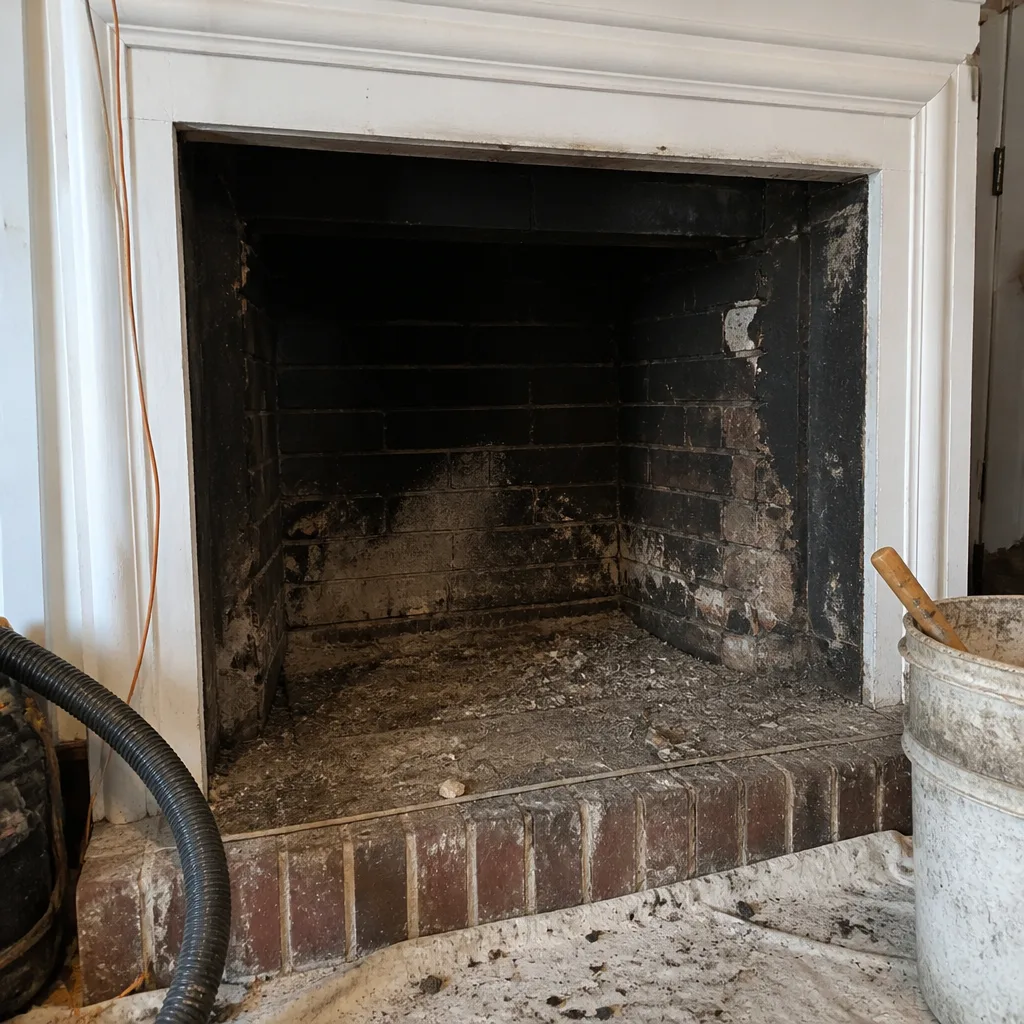
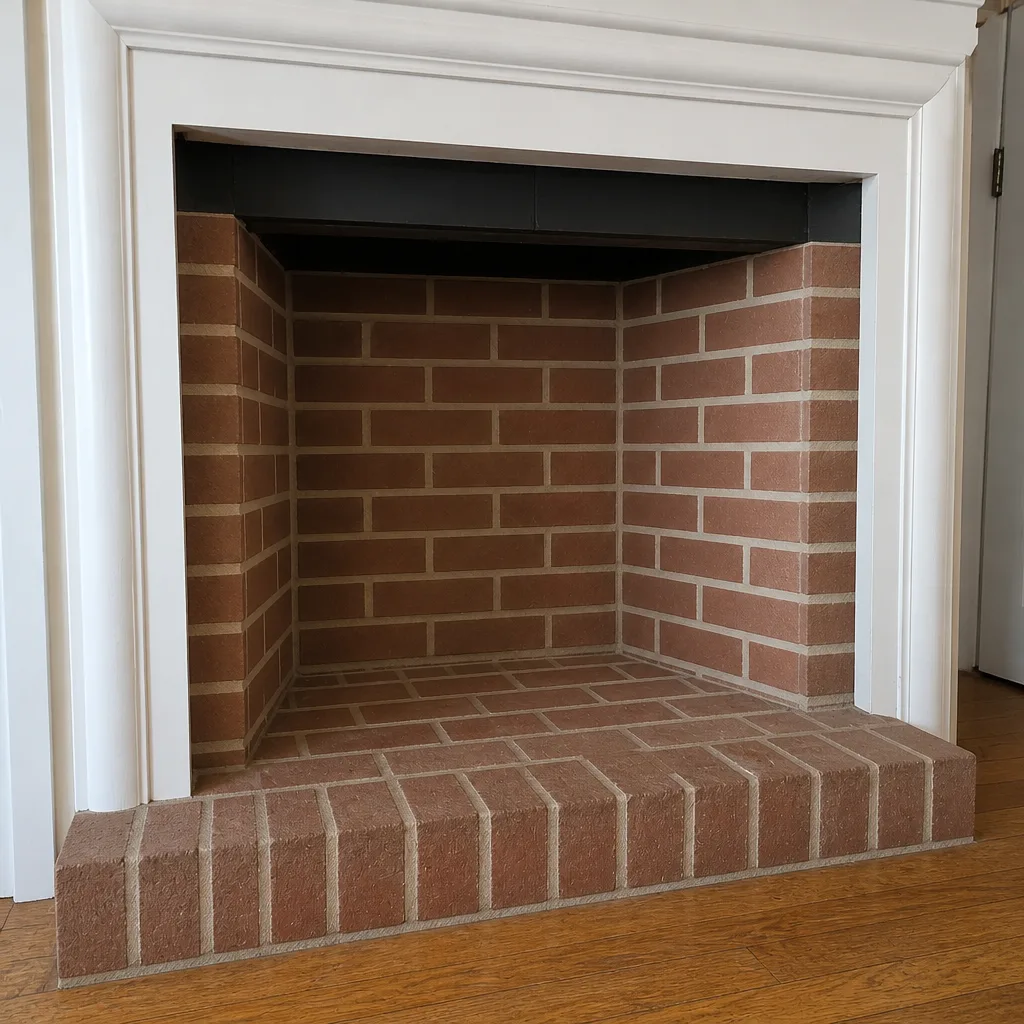
See the difference
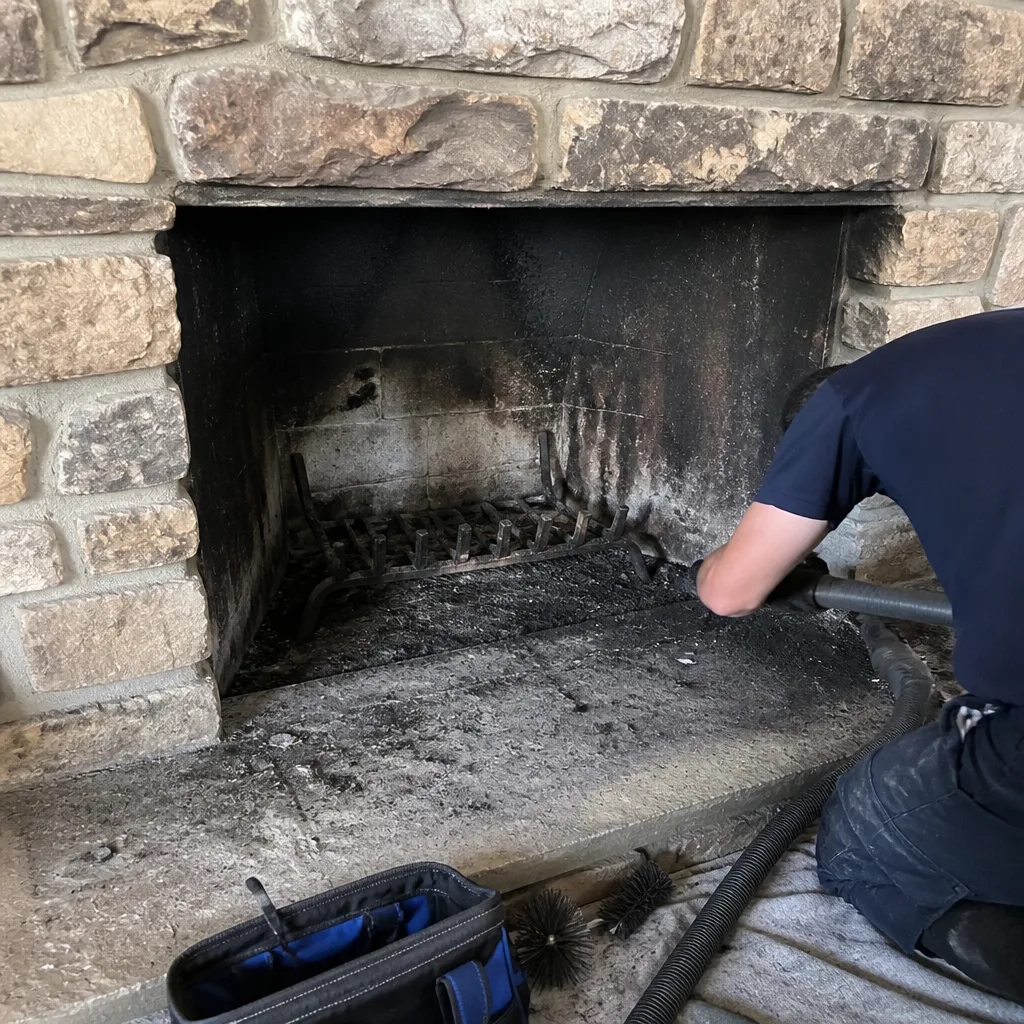 Before
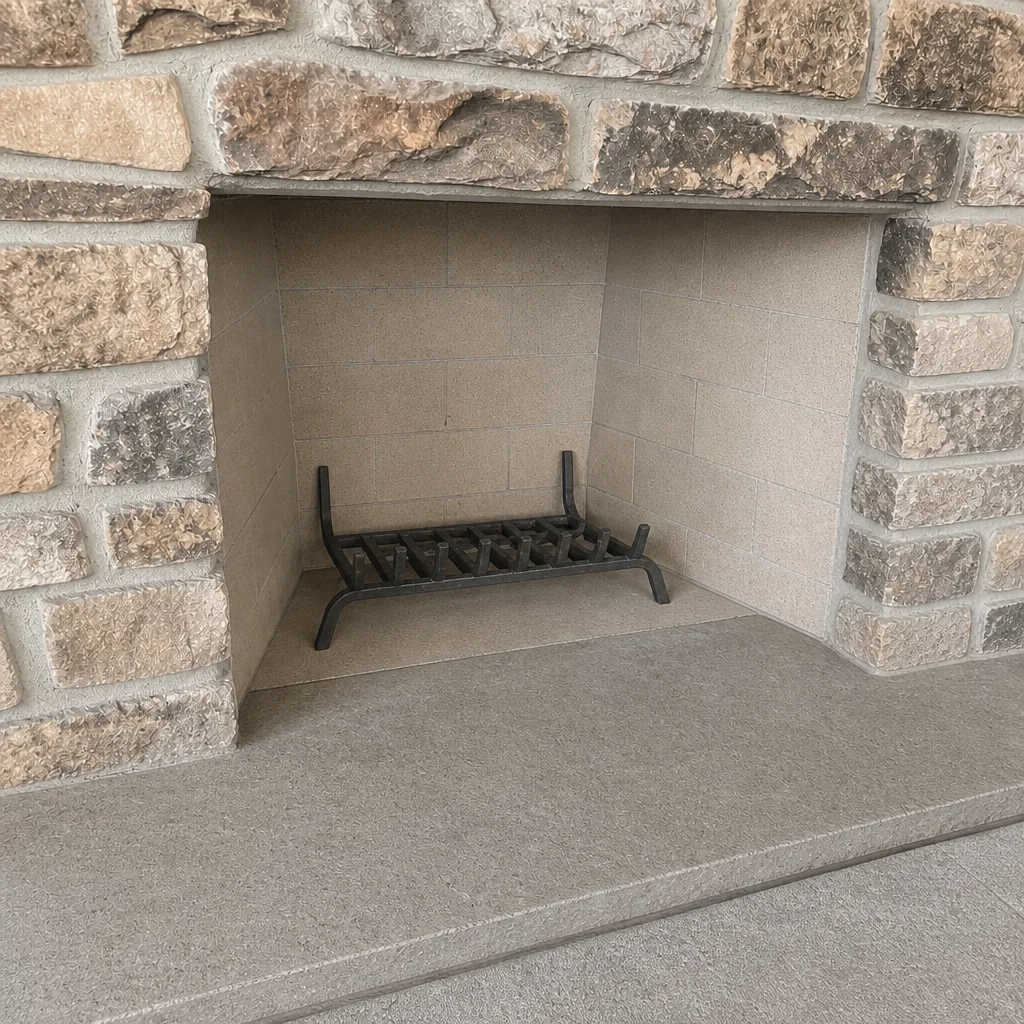 After
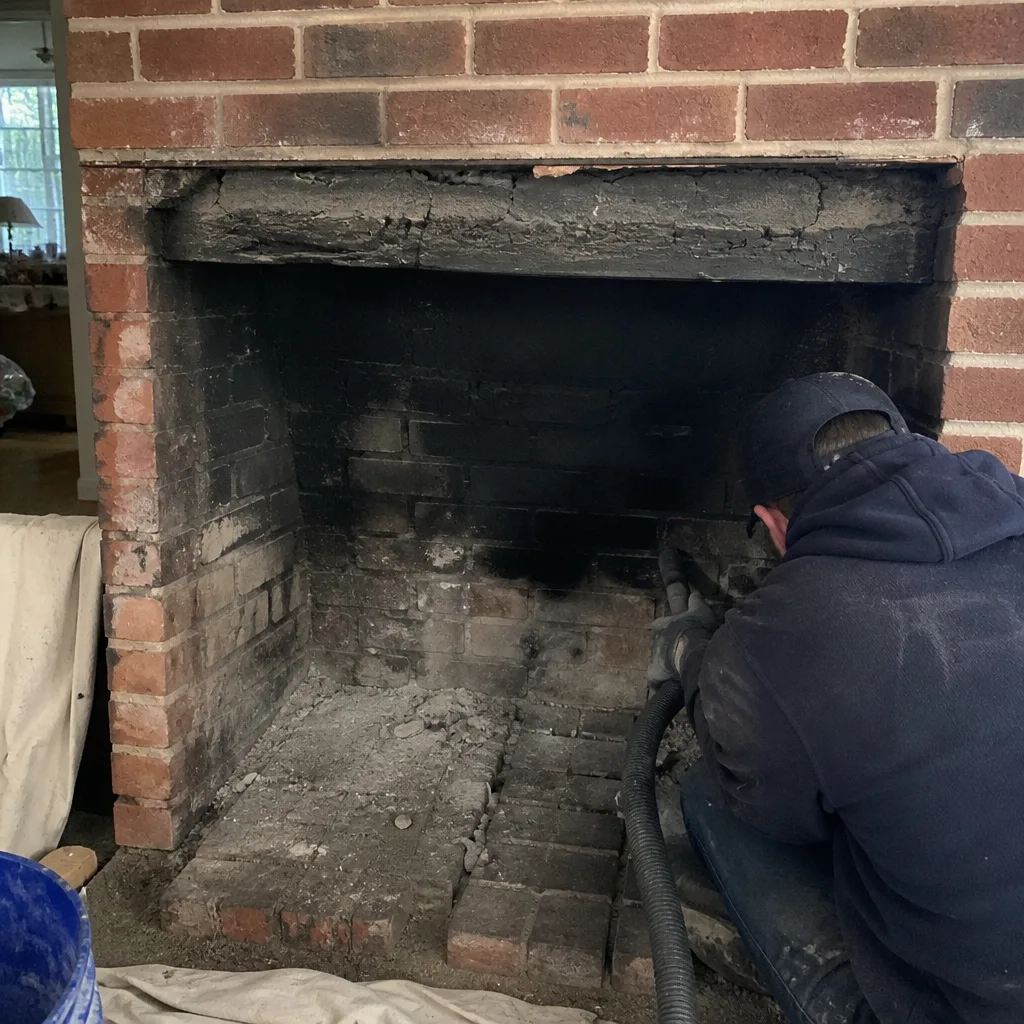 Before
 After
 Before
 After
When to Call a Professional
Some seasonal checks are yours to make: a glance at the cap, a look for efflorescence, a watch on the flashing after a snow. Others belong to someone with the tools and training for it. Call when you see spalled brick or a cracked crown, when the firebox shows staining that points to moisture or draft problems, when you smell smoke indoors during a fire, or when it’s simply time for the seasonal chimney sweep and you want the rest of the system checked at the same time. If the inspection reveals a damaged liner, fireplace repair or relining may be the next step, and a failed cap or crown is the chimney cap & crown category. Chimney Sweep Plaza Midwood offers free estimates in Plaza Midwood – call (877) 320-6353.
Frequently Asked Questions
Most Plaza Midwood homes with a regularly used fireplace need a sweep once a year, timed before the burning season starts. Homes that burn inconsistently through mild winters, or that burn a lot of green wood, may need a check sooner. The right interval comes from a creosote-stage assessment rather than a fixed calendar, which is why we inspect before recommending. Call (877) 320-6353 for an exact quote – estimates are free.
No. Fall matters because the flue needs to be clean before the first fire, but Plaza Midwood’s humid summers are what cause the masonry damage that shows up in winter. Spring inspection, summer waterproofing, and fall sweeping each handle a different part of the cycle. Skipping the summer work means the fall sweep has less to protect. Call (877) 320-6353 to set up the visit that covers both.
Summer is the reliable window, because the brick needs to be dry and temperatures need to stay at 50°F or above through the cure. In Plaza Midwood’s climate, the long hot stretch gives masonry time to dry out completely. Applying treatment to damp brick traps moisture, so timing matters. Call (877) 320-6353 to schedule an inspection and waterproofing assessment.
Plaza Midwood’s mature oak and maple canopy drops leaves, twigs, seed pods, and pollen onto caps and screens through more of the year than an open lot does. If your chimney sits under a large tree, check the cap and screen in spring and again in fall. A properly fitted cap with a tight screen resists the buildup better than a loose generic cover. Call (877) 320-6353 if the cap needs refitting.
Weak draft usually means either a partial blockage in the flue or a flue that isn’t warming up enough to pull smoke. In Plaza Midwood’s mild winters, low-temperature smoldering fires produce cooler smoke that condenses faster, which makes draft problems worse. Stop burning and have the system inspected before you light another fire. Call (877) 320-6353 for an inspection.
Costs are set per job by the written estimate, and the estimate itself is free. A standard sweep costs less than a visit that includes inspection, relining, or cap and crown work, and the estimate lays out the difference so you can decide what to do now and what can safely wait. We specify the materials and scope before anything starts. Call (877) 320-6353 for an exact quote.
The Bottom Line
Chimney care in Plaza Midwood runs on a four-season rhythm, not a single fall appointment. Spring inspection catches freeze-thaw damage and clears pollen. Summer is the waterproofing window and the time to confirm the cap is fitted properly. Fall is the pre-season sweep, timed to your first fire. Winter is for watching draft and flashing. The masonry absorbs the most moisture in summer, which is exactly why the fall sweep alone can’t prevent the damage that January and February reveal. Work the schedule and the sweep visit, and the seasonal work around it protects the rest. Written by the team at Chimney Sweep Plaza Midwood.
Written by the team at Chimney Sweep Plaza Midwood.