
Last updated November 24, 2026
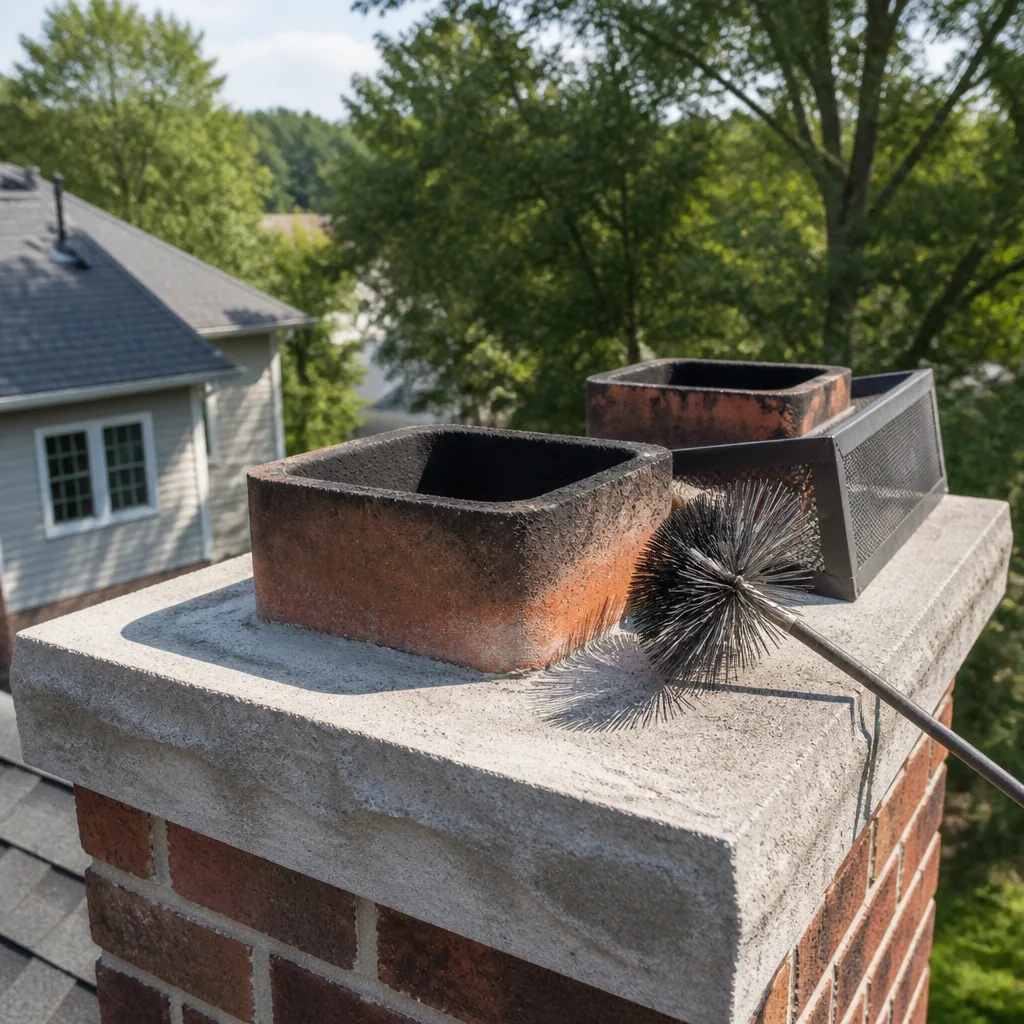 Sweep & inspection
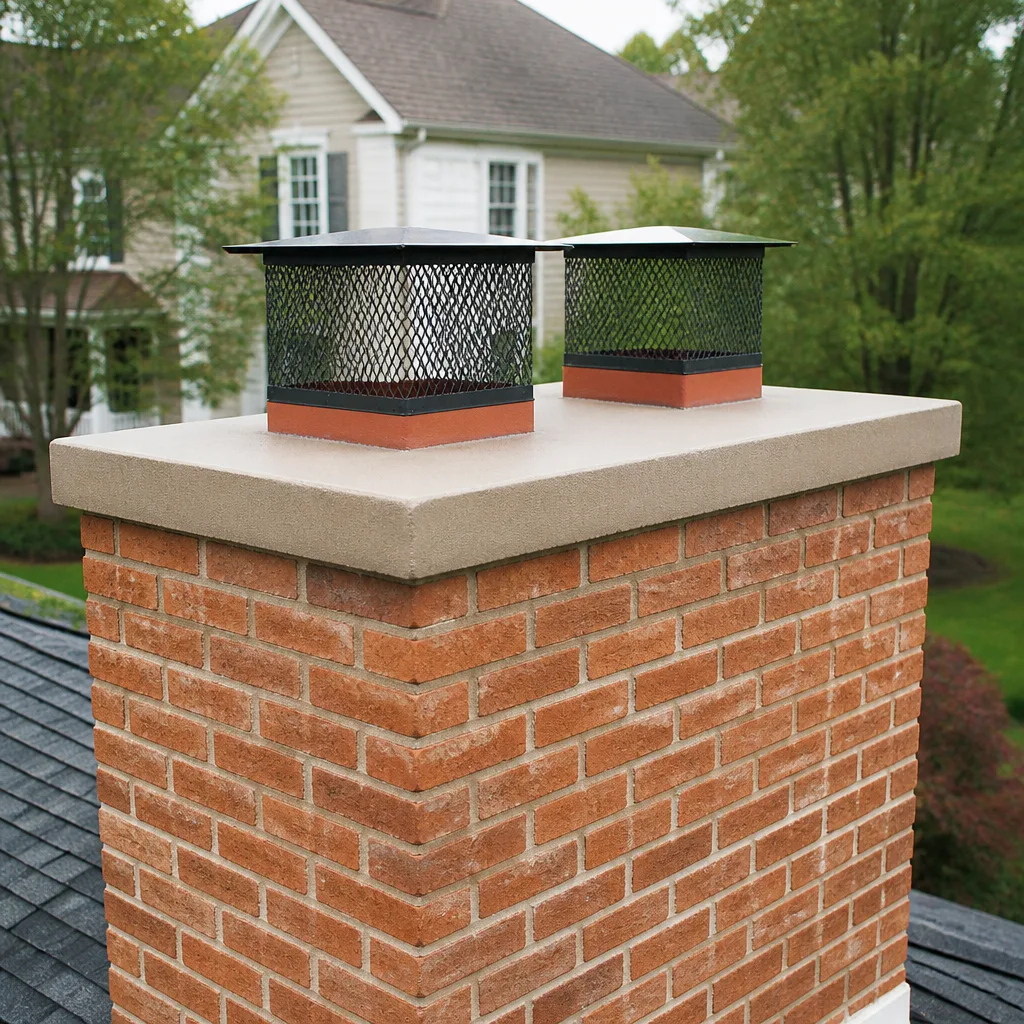 Caps & crowns
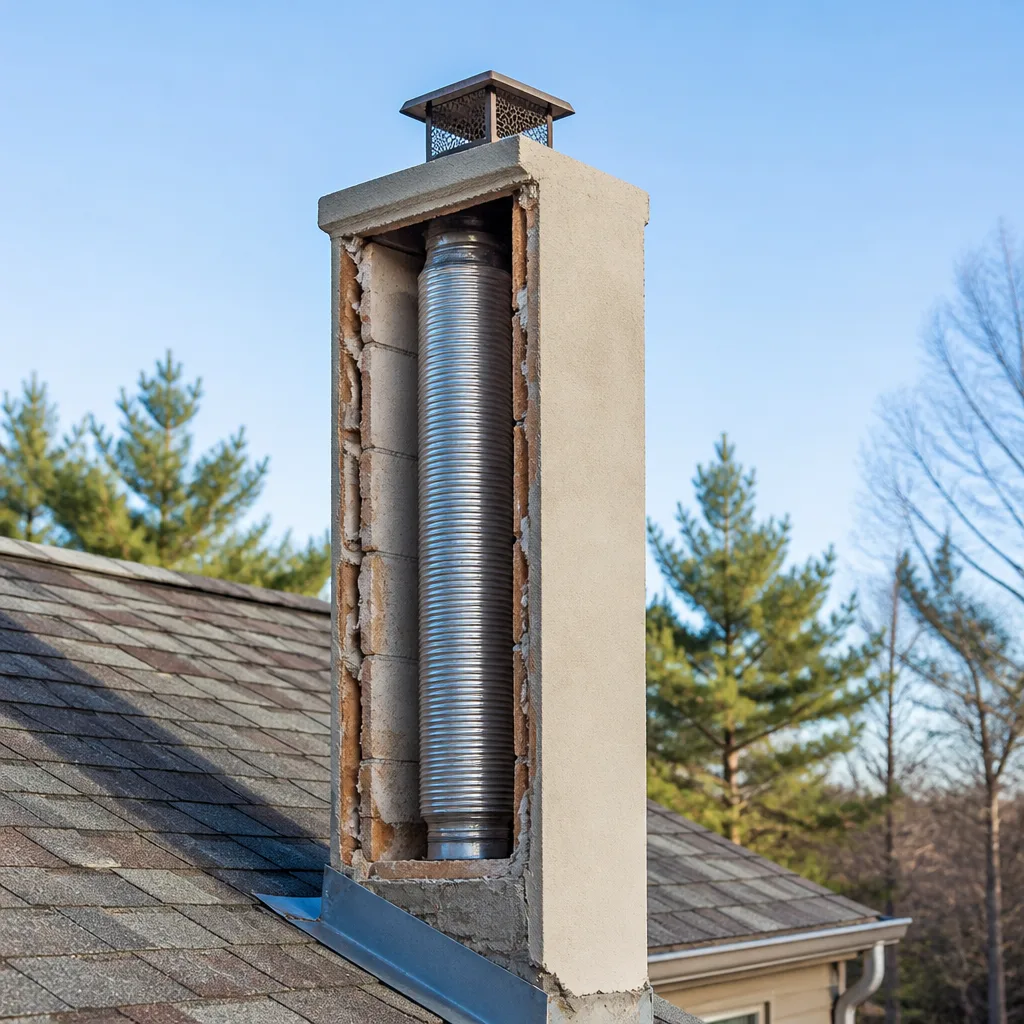 Flue relining
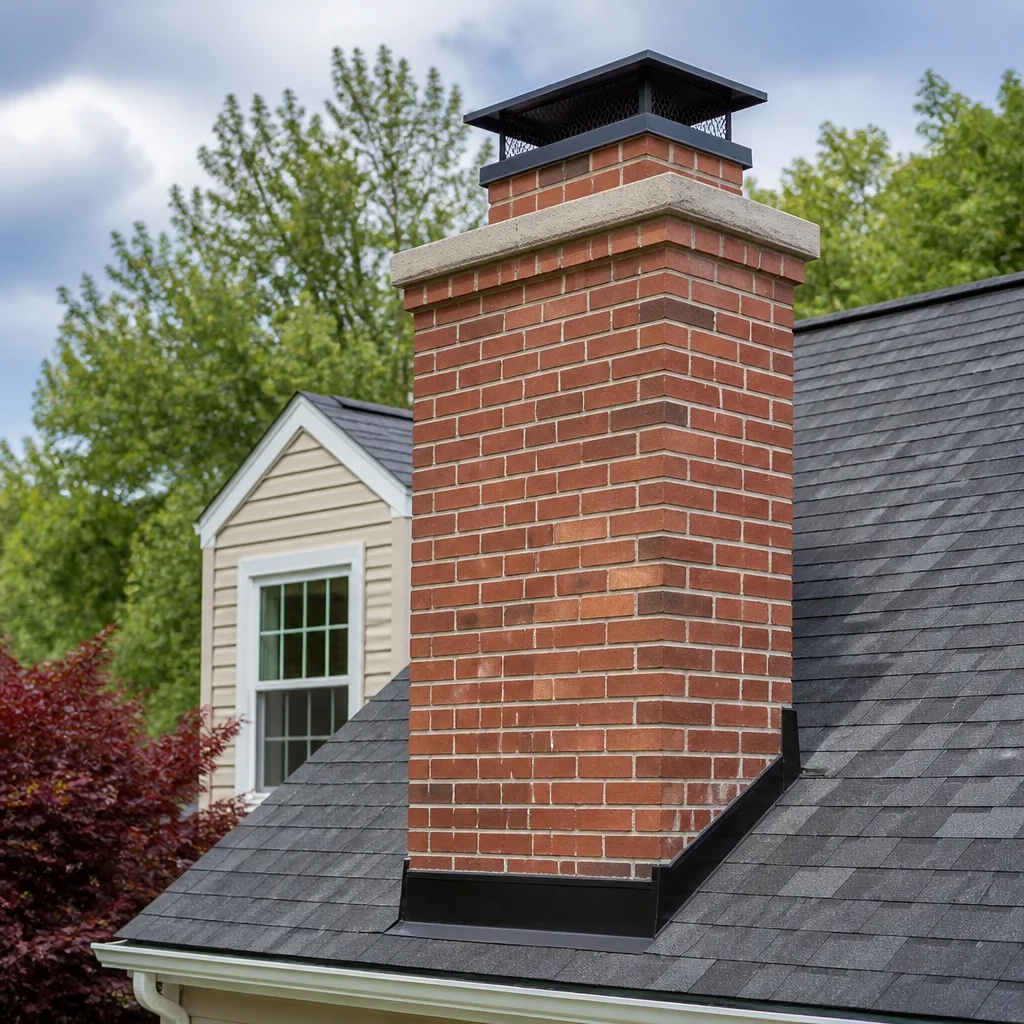 Masonry repair
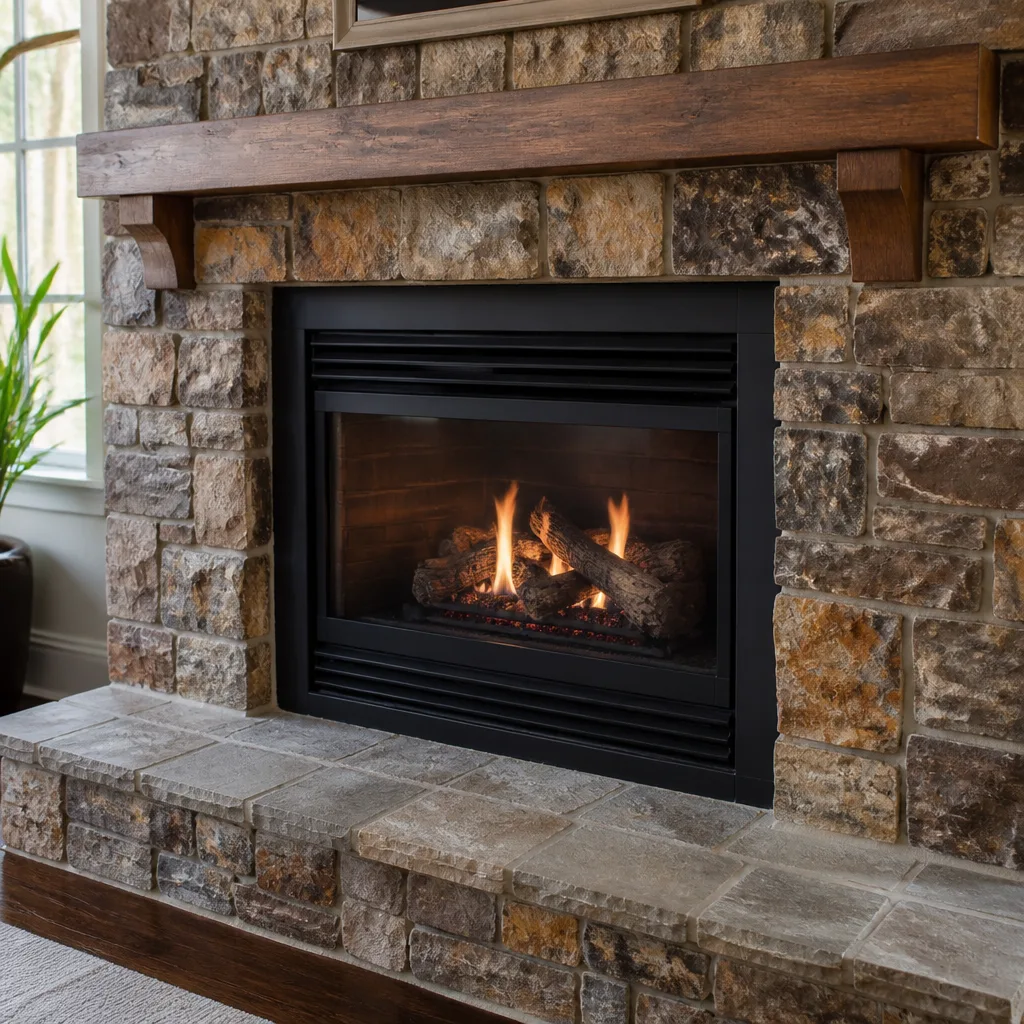 Gas fireplace service
Level 1 sweep and inspection to the NFPA 211 annual standard - flue, crown, cap, and flashing checked and photographed
Chimney sweep logs do not sweep chimneys. They loosen some creosote - which then falls where a brush and vacuum still have to collect it.
Chimney Sweep Maintenance Checklist for Plaza Midwood Homeowners
Most chimney maintenance advice you’ll find online stops at one line: get it swept once a year. That line isn’t wrong, but it’s also not a checklist, and it quietly leaves out the parts of a chimney system that actually fail first. In our experience, the damper blade is among the most commonly replaced components in Charlotte-area homes, and it shows up on almost no standard homeowner maintenance list. By the time a damper stops sealing, the smoke chamber above it has often taken on water damage from the same leaks that got the damper in the first place. This guide lays out a component-by-component protocol for Plaza Midwood homeowners: what to check, how often, what failure actually looks like on brick, liner and metal, which tasks you can safely handle yourself, and which ones belong to a trained sweep.
Quick Answer
A chimney maintenance checklist for a Plaza Midwood home should cover every component from firebox to crown, not just the flue. Sweep the flue on an annual basis if you burn regularly, inspect the crown, cap, damper, smoke shelf and firebox every year, and document each component with photos so you can compare year over year. The tasks that matter most here are the ones tied to water: crown cracks, cap fit and flashing, because Plaza Midwood’s wet winters and humid summers wear those parts faster than the fire itself does.
Styles & brands we work with
- Sweep & inspection
- Caps & crowns
- Flue relining
- Masonry repair
- Gas fireplace service
Table of Contents
- Why a Component Checklist Beats a Once-a-Year Reminder
- Crown and Cap: The Weather-Facing End of the System
- Flue Liner, Damper and Smoke Shelf
- Firebox and Masonry: Reading the Surface
- What You Can Check Yourself vs. What Needs a Sweep
- Documenting Chimney Condition Year Over Year
- Seasonal Timing for Plaza Midwood’s Climate
- When a Checklist Item Turns Into a Repair
Why a Component Checklist Beats a Once-a-Year Reminder
A chimney isn’t one thing. It’s a stack of materials, each facing different stressors: the firebox takes heat and abrasion, the smoke chamber takes turbulence and creosote, the flue liner takes heat cycling and corrosive condensate, the damper takes metal fatigue, the cap takes rain and animal pressure, and the crown takes freeze-thaw. A single “get it swept” reminder treats those as one system with one schedule. They aren’t. Each component wears at its own pace, and each has its own early warning signs. A component protocol lets you catch a $200 crown repair before it turns into a liner replacement, which is the entire reason this kind of checklist exists.
Plaza Midwood homes make this distinction especially worth learning. Many of the neighborhood’s bungalows and cottages were built with masonry fireplaces that have been through decades of Charlotte humidity, winter rain and summer heat. Those cycles stress the exterior masonry and the crown far more than a dry-climate chimney ever sees. The fire, in other words, is only part of the wear. Water and thermal cycling do the quiet damage, and they hit different parts of the chimney on different timelines. Our technicians have up to 15 years of experience reading those timelines, and the pattern is consistent: problems that get caught at the annual look tend to stay small. Problems that get skipped for several years compound.
If you take one idea from this guide, take this one: a chimney sweep cleans the flue, but a chimney maintenance checklist protects the whole structure. They’re related tasks, not the same task, and neither one replaces the other.
Crown and Cap: The Weather-Facing End of the System
The crown is the concrete or masonry cap at the very top of the chimney that sheds water away from the flue. The cap is the metal or masonry cover that sits over the flue opening to keep rain, birds and debris out. Both sit at the top of the stack, both take the worst of the weather, and both are among the most common sources of slow water damage in Plaza Midwood chimneys. Check them annually, and check the crown twice in a wet winter.
What failure looks like on a crown:
- Hairline cracks running from the flue outward. Early stage, often fixable with a proper crown repair rather than a rebuild.
- Spalling concrete: the surface flaking off in shallow chips, usually a sign of freeze-thaw cycling.
- Separation from the flue tile: a visible gap where the crown meets the flue liner.
- Ponding or staining on the crown top: water sitting where it should be shedding.
What failure looks like on a cap:
- Rust through the metal, especially at the seams and at the screen attachment points.
- A cap that’s too small for the flue, leaving a gap for rain and animals.
- Bent or missing screen mesh.
- Loose fit that shifts in wind.
This is where we specify carefully rather than reaching for whatever’s on the shelf. We work with chimney cap & crown materials from Gelco, Famco and Olympia Chimney, fitted to the actual flue dimensions rather than a generic cover forced to fit. A well-fitted cap protects the liner, the damper and the smoke chamber all at once, for the simple reason that water never gets in.
Flue Liner, Damper and Smoke Shelf
The flue liner is the wall between the fire’s exhaust and the surrounding masonry. The damper is the metal plate above the firebox that seals the flue when the fireplace isn’t in use. The smoke shelf is the ledge just behind the damper that redirects downdrafts up the flue. All three live close together, and each has a distinct failure mode. Check the liner annually during the sweep, and inspect the damper and smoke shelf at the same time.
Liner warning signs:
- Flaking or spalling clay tile: the inner surface of a clay liner breaking down in small flakes. This is different from creosote, which is a soft or glazed deposit that brushes off.
- Missing mortar joints between clay tiles.
- Cracks running the length of a tile.
- Efflorescence on the masonry around the liner: a white, powdery salt deposit that tells you moisture is migrating through the chimney.
Damper warning signs:
- Rust or sticking in the track. This is often the first sign that water is getting into the smoke chamber.
- A damper that won’t close flush, which lets conditioned air escape all year.
- A warped or pitted blade.
Smoke shelf warning signs: creosote buildup that doesn’t clear on a normal sweep, cracked masonry behind the damper, or smoke rolling into the room when you light a fire. That last one is a sign not to keep burning until a professional looks at it.
A deteriorated clay liner is the single most common reason a chimney needs relining, and in our experience most homeowners assume that means demolition. It often doesn’t. HeatShield ceramic resurfacing restores a worn clay liner from the inside without tearing into the masonry, which is a repair method widely accepted within the chimney trade. When resurfacing isn’t the right answer, a DuraFlex stainless-steel liner system gives a safe, code-compliant flue inside an aging masonry chimney, and it’s built to last for decades. Either way, the decision should come down to what the inspection actually shows, not a guess.
Firebox and Masonry: Reading the Surface
The firebox is the chamber where you build the fire, and the masonry around it is the part homeowners see most often and read least well. That’s a problem, because the surface tells you what’s happening inside. Check it before each burn season, and glance at it whenever you clean out ashes.
Three surfaces, three different meanings:
- Spalling brick means brick faces are flaking or popping off. In a firebox, that usually signals heat stress or water behind the brick. It’s a repair, not a cleaning issue.
- Efflorescence means salts are being pushed to the surface by moisture. It’s a water-intrusion signal, and it points you back toward the crown, cap or flashing.
- Liner flaking (inside the flue) means the clay liner itself is breaking down. That’s a different repair than firebox masonry.
Homeowners often conflate those three. They aren’t the same, and the right response is different for each. Spalling firebox brick gets repaired with proper refractory masonry; efflorescence means you go find the water source first; liner flaking means the flue needs an evaluation before the next fire. Reading them separately saves you money, because it keeps you from paying for the wrong fix. It also keeps you from skipping the right one.
The firebox floor deserves its own look. Cracks, loose bricks or a soft, crumbly surface mean the fire is no longer contained the way it should be. Stop burning and have it looked at.
What You Can Check Yourself vs. What Needs a Sweep
Plenty of chimney maintenance is genuinely safe to handle yourself. The rest belongs to someone who knows what to look for and carries the right tools. Here’s the split.
Safe for homeowners:
- Exterior visual check from the ground. Use binoculars to look at the crown, cap and chimney top for obvious cracks, missing pieces or a cap that’s come loose. Never climb onto the roof yourself.
- Cap cleaning from inside, if the cap is reachable from the firebox top and the flue is cool. This means clearing visible debris and checking the screen from below.
- Ash removal. Keep a thin layer of ash as a bed, and remove the rest with a metal scoop and a metal can. Never use a vacuum that isn’t rated for ash.
- Firebox visual. Look at brick faces, mortar joints and the firebox floor. Note anything that looks new since last year.
- Damper operation. Open and close it by hand. Notice stiffness, rust, or a blade that doesn’t seal.
Belongs to a trained professional:
- Flue sweeping. Creosote removal requires proper brushes, drop cloths and containment. Improper sweeping spreads soot through the house and can miss glazed deposits entirely.
- Liner inspection from above. Reading a clay liner requires a camera and a trained eye. Camera evidence matters here because it’s the only way you can see for yourself what’s actually inside the flue.
- Any work on the crown or top of the chimney. Roof access and height work belong to professionals, without exception.
- Repair of firebox brick, mortar or damper hardware. Small masonry repairs done wrong can create bigger problems than they solve.
- Anything involving a gas line, a gas appliance connection or the electrical side of a fireplace insert. Those are licensed-trade tasks, and we don’t recommend homeowners touch them.
If you’re not sure which category a task belongs in, the honest answer is: have it looked at once. A professional looking at it one time tells you whether it’s something you can track going forward. That’s worth the visit.
Documenting Chimney Condition Year Over Year
A checklist works better when you have photographs to compare against. Chimney wear is slow, and slow wear is exactly the kind your eyes adjust to and stop noticing. Photographs give you a fixed reference point. Here’s the sequence we recommend.
- Photograph the crown edge from the ground with the widest zoom your phone offers. Frame the top of the chimney in the same way each time.
- Photograph the cap the same way, and note in your phone’s caption whether the screen is intact.
- Photograph the firebox floor after a full ash removal, once a year, from the same angle.
- Photograph the firebox walls left, right and back separately. Spalling shows up first on the back wall in many fireplaces.
- Get the liner photos from your sweep. A camera inspection gives you images of the liner from above and below. Keep those with your other reference photos.
- Label everything by year. Even a simple note (“crown 2026”, “firebox floor 2026”) makes the comparison useful.
Plaza Midwood homeowners who travel or rent out part of the house find this especially useful, because the checklist travels with the house. When a tenant or a house sitter reports “the fireplace seems off”, a photo from two years ago settles a lot of conversations. And when a repair does come up, the contractor can see whether a crack has grown or stayed the same since the last record. That changes the recommendation, sometimes in your favor.
Seasonal Timing for Plaza Midwood’s Climate
Timing matters here in a way it doesn’t in drier parts of the country. Plaza Midwood sits in a humid subtropical climate, with hot wet summers and winters cold enough for repeated freeze-thaw cycles. That combination drives the schedule.
- Early fall (before the first fire): Book your chimney sweep and inspection. This is the ideal window because you want the flue clean and the liner evaluated before you burn, not after.
- Late winter (after the last sustained freeze): Check the crown again. Repeated freezing and thawing widens existing cracks, and a crown that looked fine in October can have opened up by February. The same check applies to the masonry around the chimney top.
- Spring (after burn season ends): Clear out ash and any leftover creosote, so summer humidity doesn’t sit against deposits. This is also a good time to look at the firebox with a fresh eye.
- Throughout summer: Watch for efflorescence on exterior masonry. It’s the tell that water is moving somewhere it shouldn’t, and it’s most visible in humid months.
The single most common timing mistake we see is homeowners scheduling a sweep in the middle of winter after they notice a problem. There’s nothing wrong with that, and we answer 24/7 to help you book it. But the pre-season window is cheaper in the sense that problems are caught earlier, and water damage found in February has had a whole summer to spread. A pre-season sweep and inspection in Plaza Midwood each fall is the schedule that catches the most and costs the least.
When a Checklist Item Turns Into a Repair
Not every checklist finding is a repair. Some are watch items. Some need to be addressed this season. The distinction matters because nobody wants to be told their chimney needs thousands of dollars without a way to verify it.
Watch items (recheck at next seasonal visit):
- Hairline cracks in the crown that haven’t widened.
- Light efflorescence on exterior masonry that hasn’t spread.
- A cap that’s slightly loose but still seated.
- A damper that sticks a little but closes fully.
Address this season:
- Spalling firebox brick, or a cracked firebox floor. Stop burning until it’s repaired.
- A crown with cracks wide enough to catch a fingernail, or visible separation from the flue tile.
- A cap that’s cracked, rusted through, or missing screen.
- A clay liner with missing mortar joints or cracked tiles.
Stop using the fireplace until a professional evaluates it:
- Smoke rolling into the room when you light a fire.
- Visible damage inside the flue, or a liner that’s come loose from the masonry.
- Any indication that combustion gases aren’t venting properly.
- A gas smell, or a carbon monoxide alarm going off. Leave the house and call the utility first.
Here’s the principle we build every recommendation on: nothing gets proposed without camera evidence you can see for yourself, and if a repair can safely wait, we say so. When a repair is genuinely needed, we’re a full-system specialist from firebox to crown, so the sweep, the fireplace repair, the liner work and the cap don’t require three appointments with three contractors. If you’re not sure which category a finding falls into, Chimney Sweep Plaza Midwood is the right starting point.
Common Mistakes to Avoid
- Sweeping the flue and calling it maintenance. A sweep cleans one component. The crown, cap, damper and firebox all wear on their own schedules, and each one has a failure mode a sweep won’t catch.
- Treating spalling, efflorescence and liner flaking as the same problem. They’re three different signals with three different repairs. Homeowners who conflate them pay for the wrong fix or skip the right one.
- Ignoring the damper because it still opens. A damper that opens but doesn’t seal lets water and conditioned air into the smoke chamber year-round. In Plaza Midwood, that’s the start of the water damage that eventually reaches the liner.
- Letting the cap slide. A cap that’s slightly loose in October can be missing entirely by spring after a windstorm. It’s one of the cheapest components to get right and one of the most expensive to ignore.
- Climbing onto the roof to check the crown yourself. The most dangerous thing a homeowner can do with a chimney checklist is act on it from a ladder. Keep your crown checks on the ground with binoculars.
- Skipping the post-winter crown check. Plaza Midwood’s freeze-thaw cycle means a crown that’s fine in the fall can crack by late winter. The fall check catches what’s there; the late-winter check catches what the winter created.
- Burning before the pre-season inspection. Once the first cold snap hits, that first fire is the moment of maximum risk if the liner has an issue. Get it looked at before you light it.
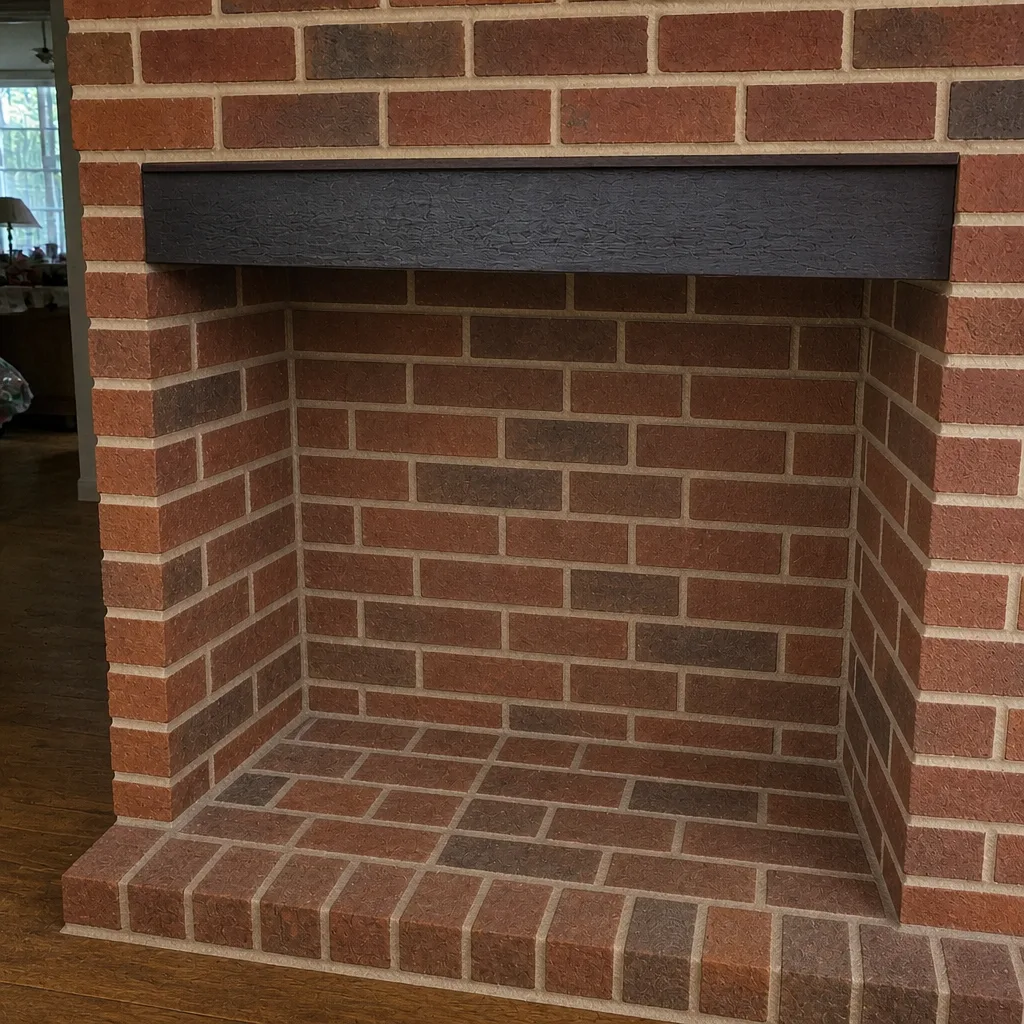
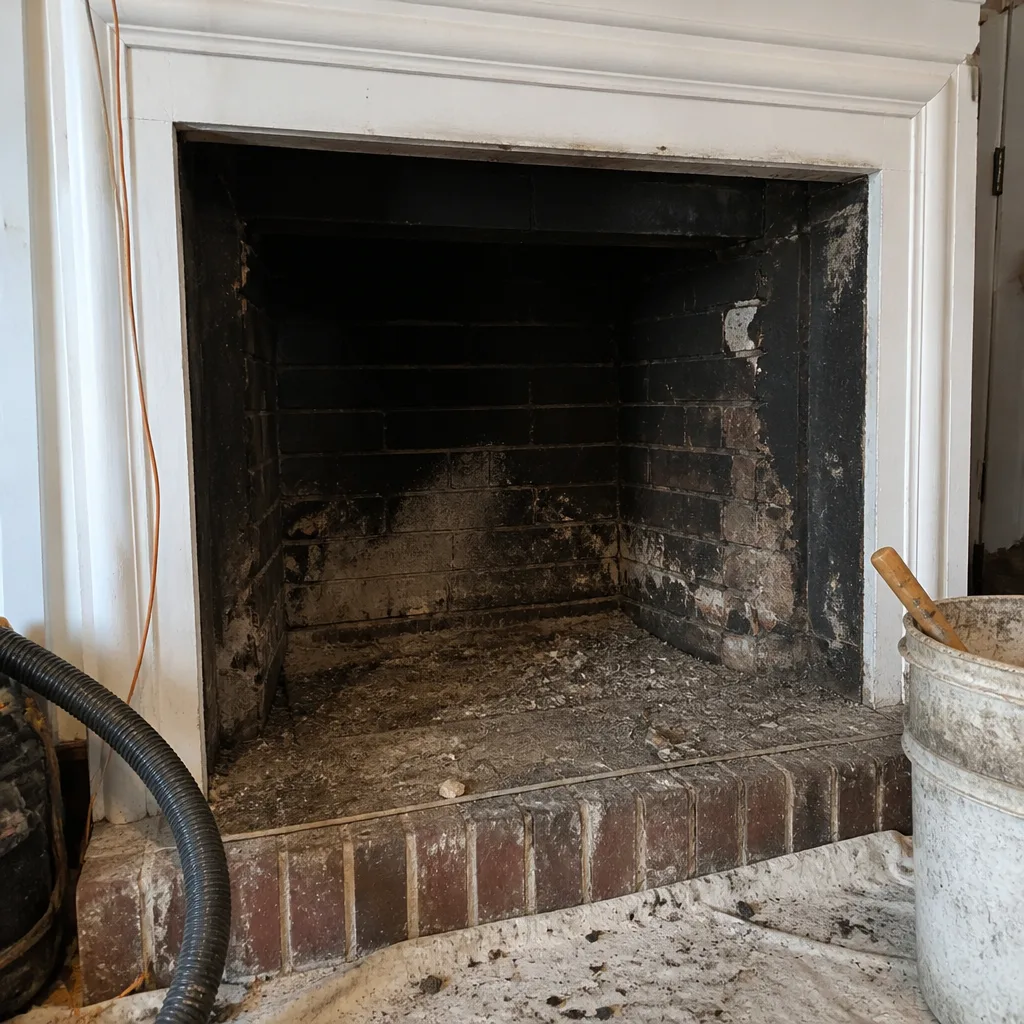
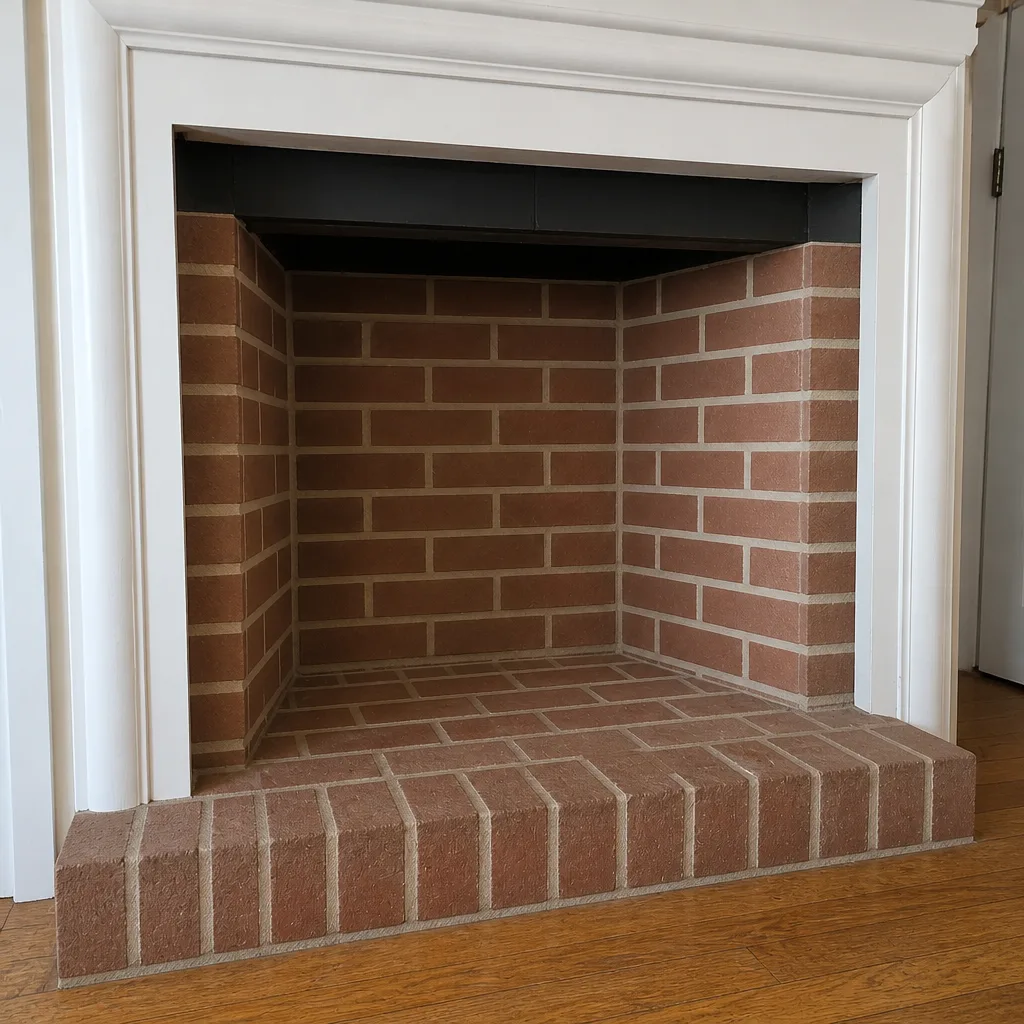
See the difference
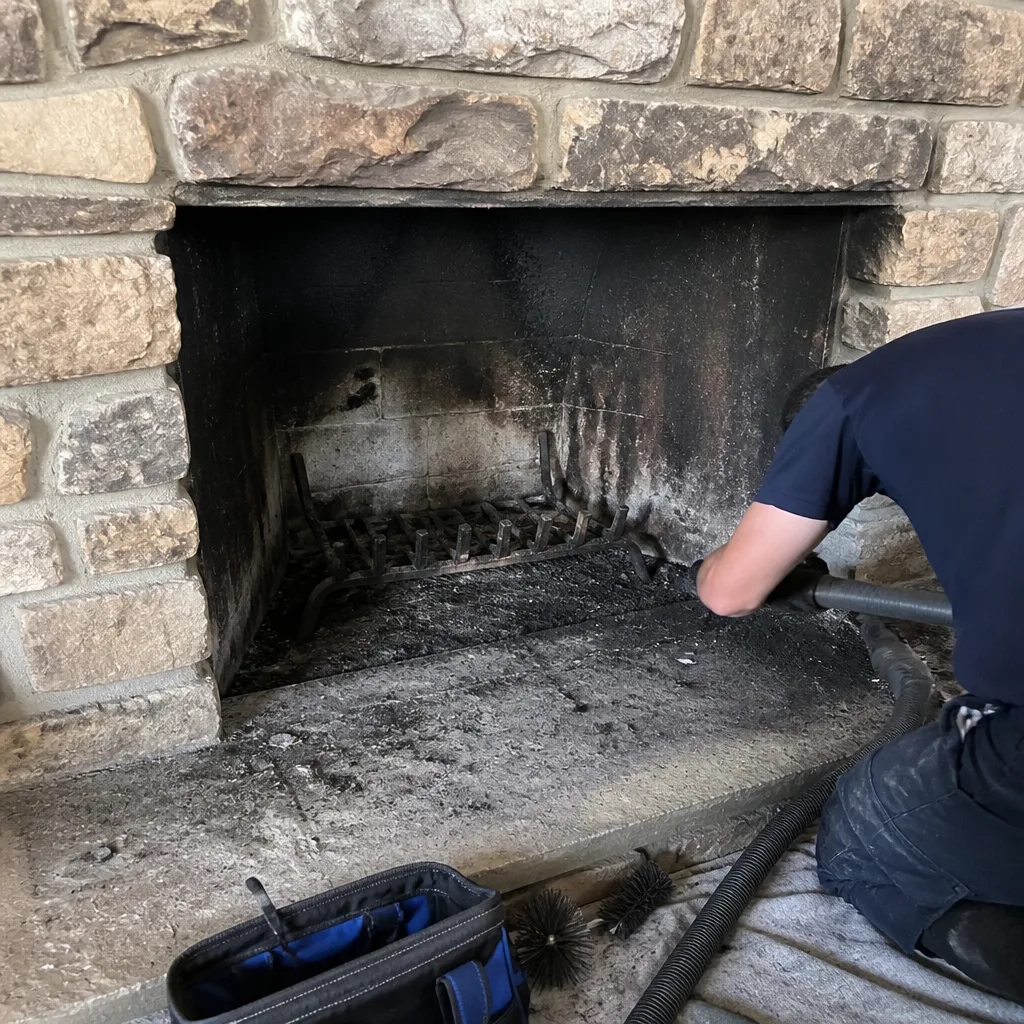 Before
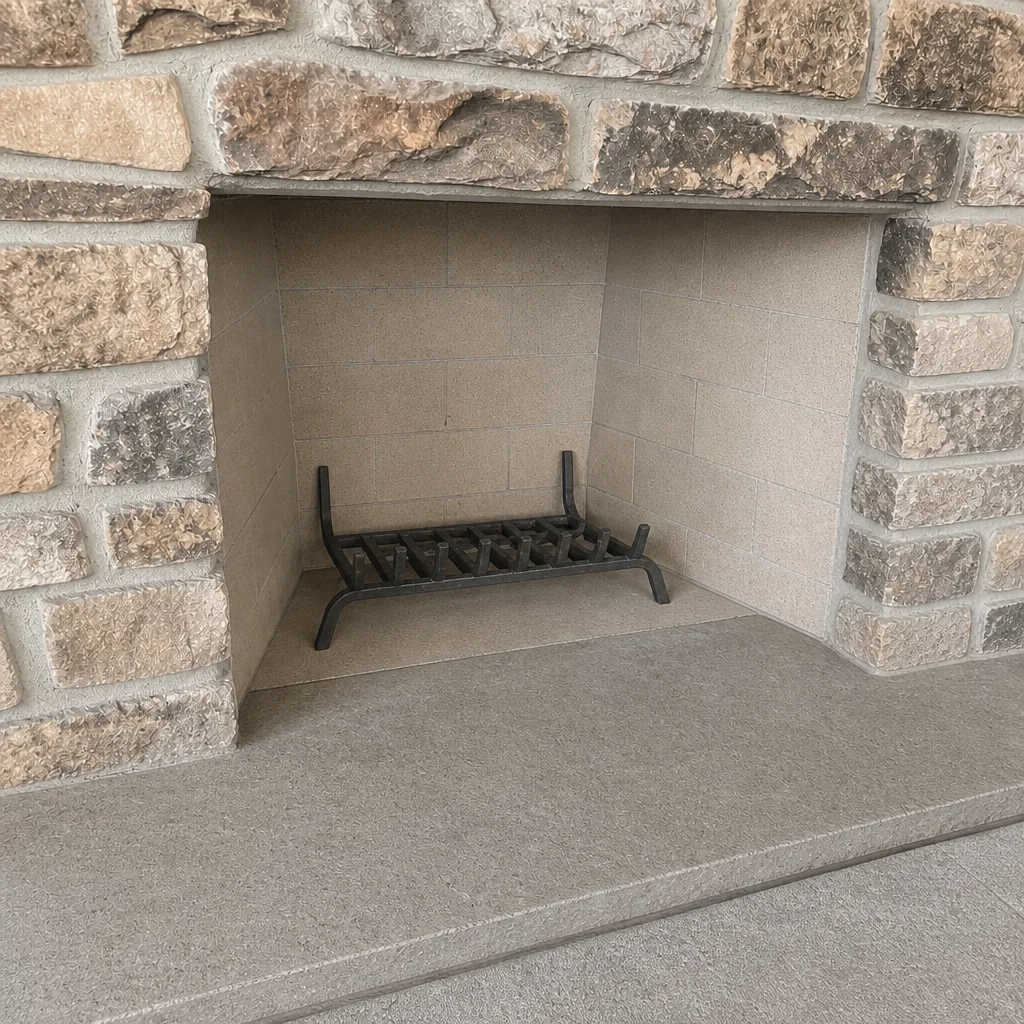 After
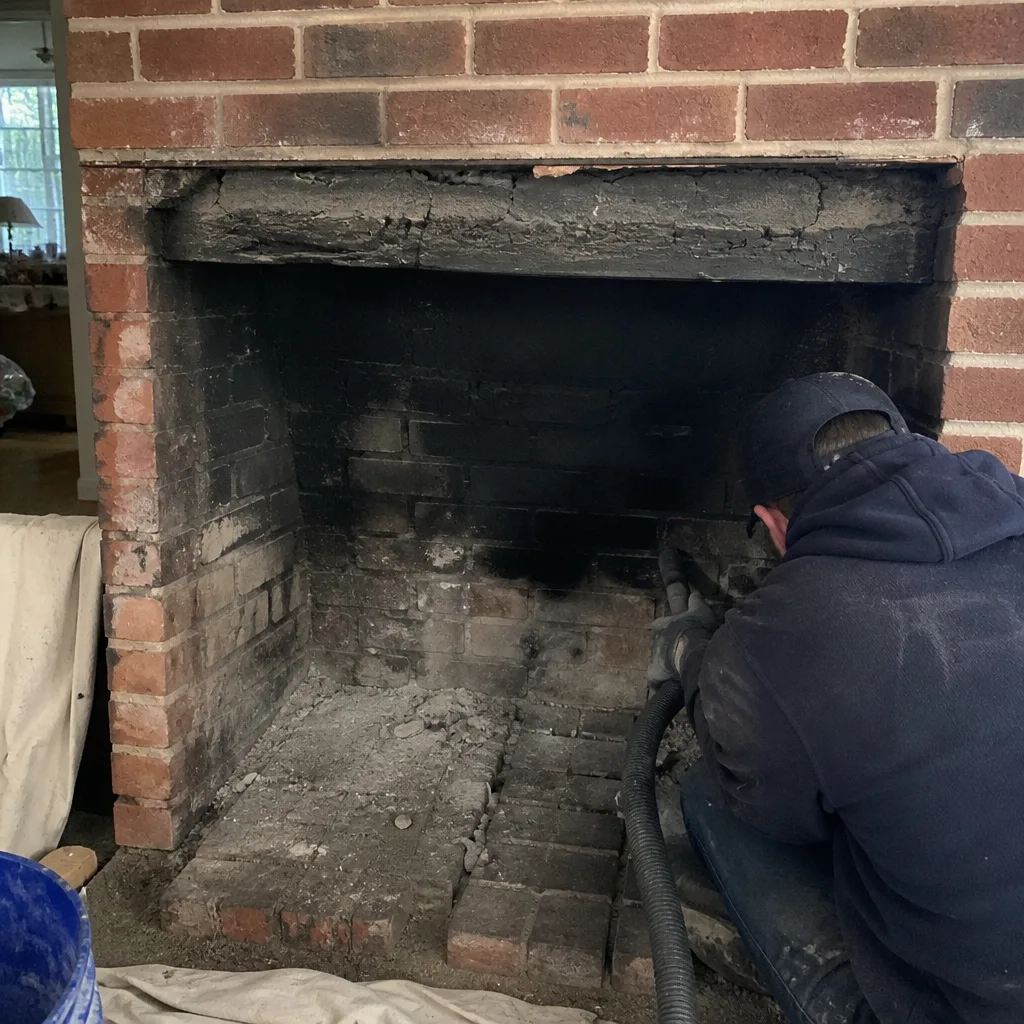 Before
 After
 Before
 After
When to Call a Professional
Call a professional if the flue hasn’t been swept in the last year of regular burning, if you’ve noticed any of the stop-use signals above, or if you’ve never had the liner inspected with a camera. Call if the crown has cracks you can see from the ground, if the cap is bent or missing components, or if the firebox has spalling brick or a cracked floor. Call before the first fire of the season if you’re not sure whether the flue is ready. Call if a previous contractor recommended liner or masonry work and you have no photos to verify the recommendation; a second look with camera evidence is cheap compared to a repair you didn’t need. Chimney Sweep Plaza Midwood offers free estimates in Plaza Midwood. Call (877) 320-6353 for a free estimate. We answer 24/7. Fast dispatch from 7am to 7pm, Sunday through Friday. The local pro is licensed and insured as their state requires, and the written estimate sets the final price.
Frequently Asked Questions
Sweep a chimney once a year if you burn regularly, and get an inspection every year whether or not the flue needs sweeping. Plaza Midwood’s humid climate means the inspection matters as much as the sweep, because water-related wear on the crown, cap and liner won’t show up in the flue itself. Call (877) 320-6353 for a free estimate.
Spalling is the brick face flaking or popping off, usually from heat stress or water behind the masonry. Efflorescence is a white powdery deposit pushed to the surface by moisture moving through the brick. Spalling means the masonry is damaged; efflorescence means you should find the water source before damage starts. Call (877) 320-6353 if you see either one.
You need a liner evaluation, not necessarily a new liner. A clay liner that’s worn can often be restored with HeatShield ceramic resurfacing rather than torn out and rebuilt. Ask for camera photos of the liner so you can see the condition yourself, and don’t accept a recommendation without them. Call (877) 320-6353 for a free estimate with photo evidence.
Yes, cap cleaning from inside and ash removal are genuinely safe for homeowners, as long as the fire is out and the flue is cool. What you shouldn’t do is sweep the flue, inspect the liner from above, or climb on the roof to check the crown. Those tasks need real equipment and a trained eye. Call (877) 320-6353 to book the professional part.
Early fall, before your first fire, is the best window. It gets the flue clean and the liner inspected before burn season starts. A late-winter crown check is also worth doing, because freeze-thaw cycles here widen cracks between October and February. Call (877) 320-6353 to get it on the schedule.
Creosote builds up, the damper and smoke chamber take on water damage from a failing crown or cap, and the liner degrades slowly in ways you can’t see from the firebox. None of those are urgent in a single year. Over several years they add up to repairs that cost more than the maintenance would have. Call (877) 320-6353 for a free estimate if it’s been a while.
The Bottom Line
Chimney maintenance in Plaza Midwood isn’t a single annual reminder, it’s a component schedule. Sweep the flue once a year if you burn, inspect the crown, cap, damper, smoke shelf and firebox every year, and check the crown again after the last freeze. Read the surface carefully: spalling means damage, efflorescence means water, and liner flaking means the flue needs an evaluation. Keep photos of the key reference points so you can compare one year to the next. Do the safe tasks yourself, and call a professional for the rest. When something does need repair, ask for camera evidence first, and don’t accept a recommendation you can’t see for yourself. Our technicians have up to 15 years of experience reading exactly these systems in this climate. We work with DuraFlex, HeatShield, Gelco, Olympia Chimney, Famco and Copperfield to specify the right material for the job, from firebox to crown.
Call (877) 320-6353 for a free estimate. We answer 24/7. Fast dispatch from 7am to 7pm, Sunday through Friday.
Written by the team at Chimney Sweep Plaza Midwood.