
Last updated November 24, 2026
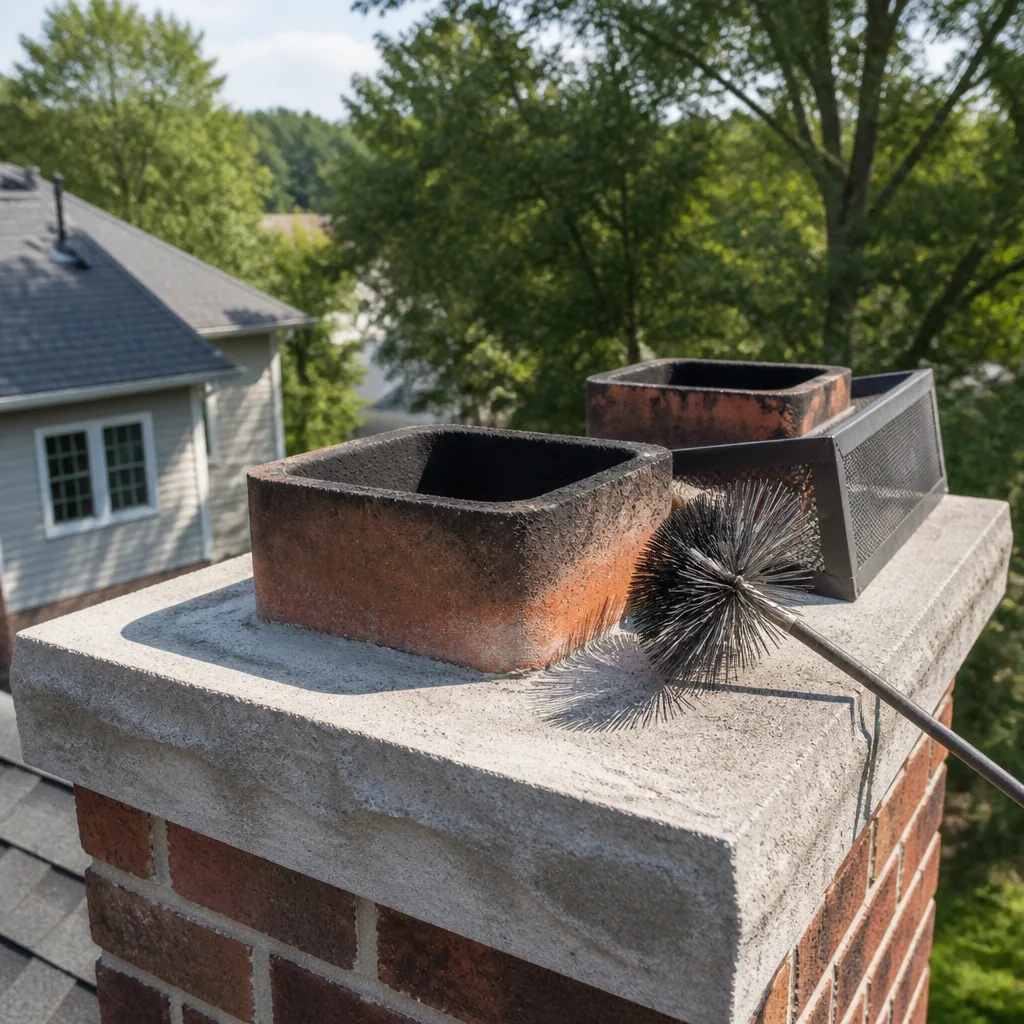 Sweep & inspection
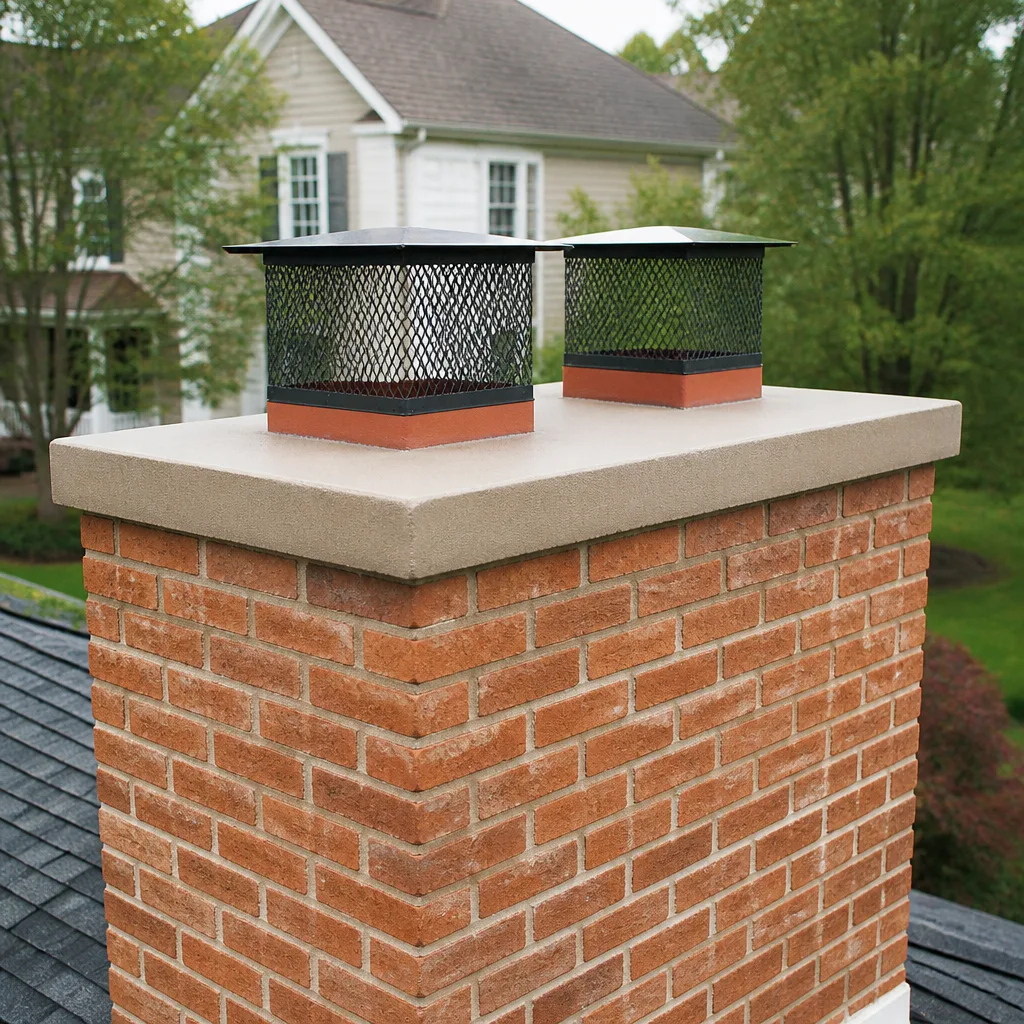 Caps & crowns
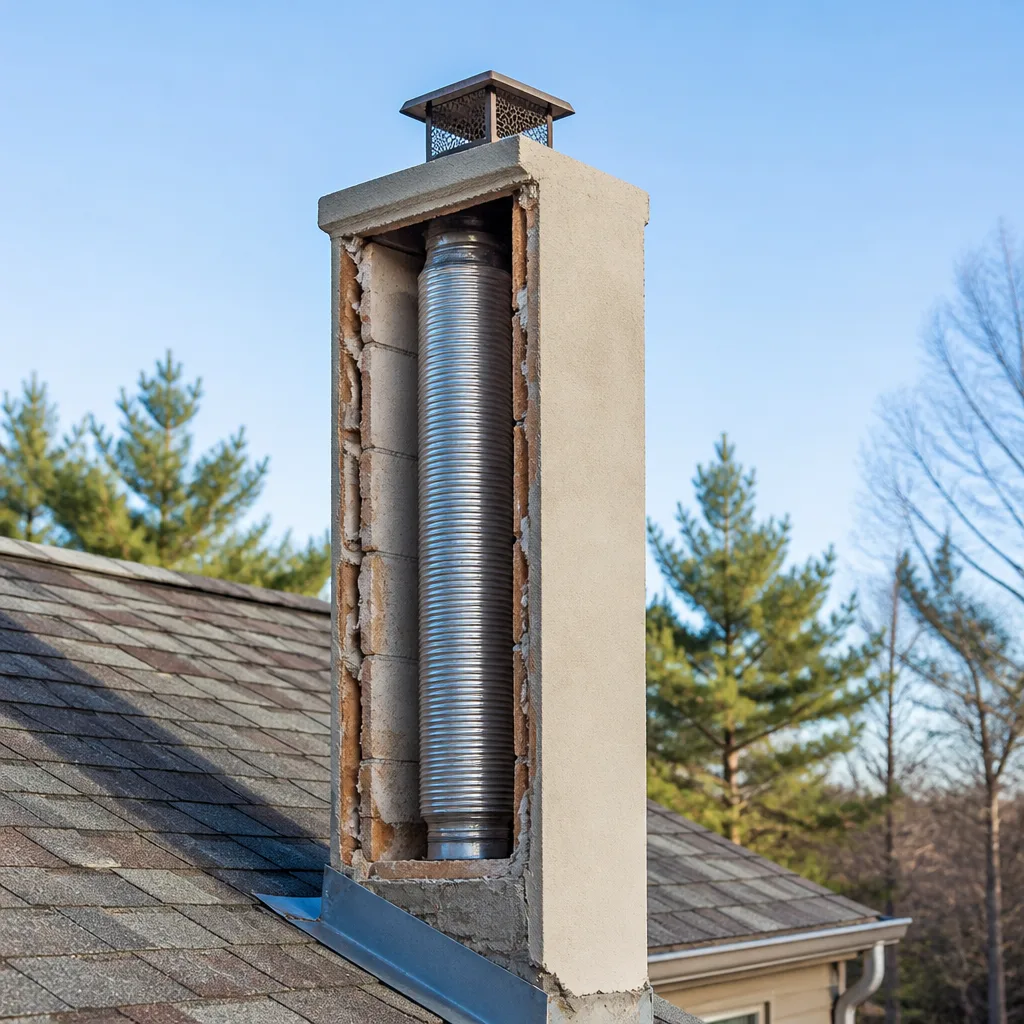 Flue relining
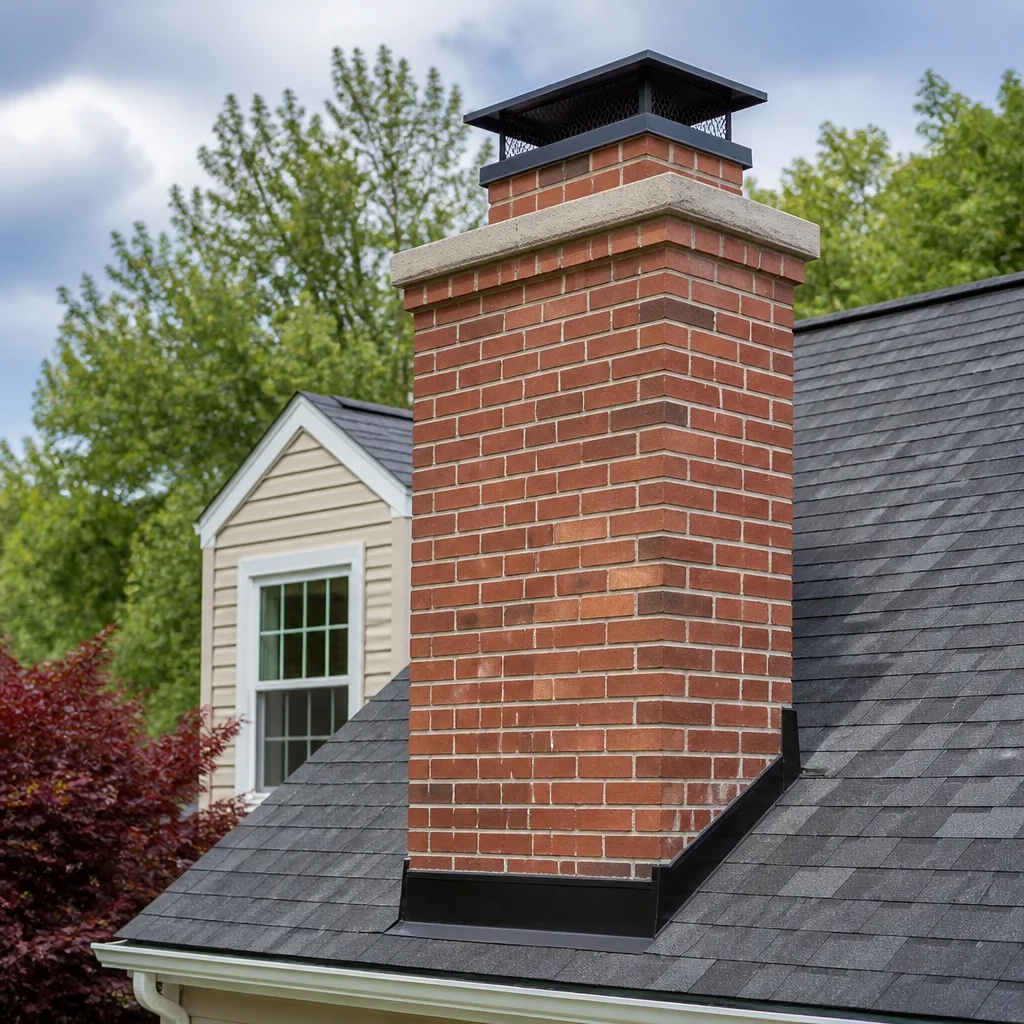 Masonry repair
 Gas fireplace service
Level 1 sweep and inspection to the NFPA 211 annual standard - flue, crown, cap, and flashing checked and photographed
Chimney sweep logs do not sweep chimneys. They loosen some creosote - which then falls where a brush and vacuum still have to collect it.
How to Hire a Chimney Cleaning Contractor in Plaza Midwood: A Step-by-Step Guide
Most homeowners assume that a CSIA certification settles the question. It doesn’t. That credential is built around sweeping and inspection fundamentals, and it does not certify anyone to evaluate a cracked terra cotta flue tile, rebuild a smoke chamber wash, or tell you whether your crown has failed. So a certified sweep can do a fine job brushing your flue and still walk past the structural problems that actually make a chimney unsafe. This guide shows you how to separate the two before anyone climbs on your roof: the questions to ask, the paperwork to demand, and the red flags that matter in Plaza Midwood and the rest of the Charlotte market.
Quick Answer
Hire a chimney contractor in Plaza Midwood by confirming four things before you book: that they’ll perform a camera inspection of the flue and show you the footage, that their written estimate lists each task and material by name rather than one vague “chimney cleaning” line, that they can verify licensing and insurance, and that they can explain what your chimney doesn’t need right now. A sweep-only crew handles the brushing; a full-system specialist also evaluates the liner, smoke chamber, cap and crown, which is what keeps the system safe between cleanings.
Styles & brands we work with
- Sweep & inspection
- Caps & crowns
- Flue relining
- Masonry repair
- Gas fireplace service
Table of Contents
- What credentials actually mean: CSIA, NFI, and licensed masons
- Five interview questions that reveal a full-system contractor
- What a real inspection looks like, camera and all
- What a legitimate written estimate contains
- How to verify insurance, licensing, and complaint history
- Plaza Midwood and Charlotte market red flags
- What chimney work typically costs and why
- How often to book and when to skip a year
What credentials actually mean: CSIA, NFI, and licensed masons
Three different credentials show up in chimney work, and they don’t cover the same ground. Knowing which one applies to your problem is the first filter in hiring anyone.
CSIA (Chimney Safety Institute of America) is the baseline. A CSIA-certified sweep has passed a test on sweeping and inspection practice and keeps current through continuing education. If someone is going to put a brush in your flue, that credential matters. It is also the credential most useful for routine maintenance and the annual inspection.
NFI (National Fireplace Institute) credentials center on hearth appliances – wood stoves, inserts, gas and pellet units. If your question is about how the appliance itself vents or is installed, NFI training is the relevant background.
A licensed mason is who handles structural masonry. That means rebuilding a chimney above the roofline, replacing spalled brick, repointing mortar joints, or reconstructing a crown. North Carolina regulates general contracting through the NC Licensing Board for General Contractors, and masonry work above certain dollar thresholds requires a licensed general contractor. A sweep who tells you he can also rebuild your chimney stack may not be licensed to do it.
Here’s the practical consequence for a Plaza Midwood homeowner. Many houses here date to the 1920s through the 1950s, when terra cotta flue liners were standard. Those clay tiles crack with heat cycling, and a cracked liner lets combustion gases into the framing. A CSIA-certified sweep will clean the flue and may note the crack, but assessing whether the liner needs resurfacing or full relining is structural work. That’s why we look at the whole system on one visit – from firebox to crown – instead of treating a brush-and-go as the finished job.
When the flue does need restoration, the method matters too. HeatShield ceramic resurfacing can restore a deteriorated liner without demolition in the right conditions, and a DuraFlex stainless liner is the code-compliant path when the original clay has failed beyond resurfacing. A contractor who only sweeps has neither option in the truck and little reason to mention them.
Five interview questions that reveal a full-system contractor
You can learn a lot in a five-minute phone call. These five questions separate contractors who diagnose from contractors who brush.
- “What do you use to inspect the liner?” The right answer names a camera. Video inspection of the flue is the only way to see cracks, gaps, and offset tiles above the smoke shelf. “We look up with a flashlight” is a partial answer, not a full one.
- “Do you carry NFPA 211 on the truck?” NFPA 211 is the standard for chimneys, fireplaces, vents, and solid fuel appliances. It’s the reference every reputable contractor works from. Someone who has never heard of it is working from habit, not standard.
- “What’s included in the sweep, and what costs extra?” A full-system contractor can itemize on the spot: brush and vacuum of the flue, firebox cleaning, damper check, cap inspection. The vague answer is “we’ll take a look.”
- “Can you show me the photos before recommending anything?” Any repair recommendation should be backed by camera images or photos you can see yourself. If the answer is no, you have no way to verify the work is needed.
- “Who does the masonry if the crown or stack needs work?” Listen for whether they do it in-house under the right licensing or refer you to a licensed mason. Either answer can be good. Silence is not.
There’s a sixth question worth asking in Plaza Midwood specifically: “Does my chimney have a cap, and is it sized to the flue?” Generic off-the-shelf covers fit poorly, let water in, and blow off in a storm. A properly fitted Famco or Gelco cap is made to the dimensions of your flue, and a contractor who stocks and fits them to spec has a different level of investment in the job than one who doesn’t.
What a real inspection looks like, camera and all
A chimney inspection is not the same as a sweep, and the difference is one of scope. The sweep removes creosote and soot. The inspection evaluates the condition of the flue, firebox, smoke chamber, damper, crown, and cap, and it should produce photos you keep.
Here’s how a proper inspection visit runs for a Plaza Midwood home:
- Exterior first. The technician checks the crown for cracks, the brickwork for spalling and open mortar joints, the cap for fit and animal entry, and the flashing where the chimney meets the roof.
- Firebox and damper. The firebox gets checked for cracked firebrick and deteriorated mortar. The damper is operated to confirm it opens and closes fully.
- Smoke chamber. This is the sloped area above the damper that funnels smoke into the flue. A failed parge coat here causes smoking and drafting problems that a flue brush never touches.
- Camera inspection of the flue. A camera travels the full length of the liner from the top down or bottom up, capturing the condition of every joint and tile. This is where cracked terra cotta and gaps show up.
- Report and photos. You should receive the images and a written summary of what was found, with anything urgent separated from anything that can wait.
Plaza Midwood’s housing stock makes that camera pass more useful than it might be elsewhere. In homes from the mid-century era, the flue liner is often original clay tile, and forty-plus years of heating cycles and moisture have taken a toll on many of them. The camera shows which tiles have hairline checks and which have actually shifted. That’s the difference between a resurfacing job and a full relining – and the difference between a small bill and a large one.
Scheduling a chimney sweep alongside the inspection gets both done in a single visit. One visit, full picture.
What a legitimate written estimate contains
A real chimney estimate tells you exactly what is being done, with what material, and what happens if the job turns out bigger than expected. The vague one you need to be wary of says “chimney cleaning” and a price.
Look for these elements in any written estimate before you sign:
- Itemized scope. Sweep, inspection, firebox cleaning, cap work, and any masonry repair each on their own line, with the specific area named.
- Product named by brand and type. Not “liner” but “DuraFlex stainless flexible liner”; not “resurfacing” but “HeatShield ceramic resurfacing of the flue.” Material specificity is a sign the contractor knows what he’s installing.
- Measurements. Flue dimensions, liner length, and cap size if a cap is part of the job.
- What’s excluded. If the estimate doesn’t include a masonry rebuild or scaffold work, it should say so.
- The price, stated as an estimate. Chimney work is priced per job, and the written estimate sets the final number once the scope is confirmed. Anything verbal is a placeholder.
A well-built estimate also tells you what the contractor found and why the work is proposed. When we recommend a repair, we show the camera evidence first, because otherwise you have no way to check. And when something can safely wait a year or two, saying so is part of the job. The worst outcome for a Plaza Midwood homeowner is a liners-and-masonry bill for work nobody can prove was needed. If you get a written estimate that recommends thousands of dollars of work with no photos attached, ask for them before you agree to anything.
Full-system work also changes how estimates get structured. When sweeping, fireplace repair, and cap work all come from the same contractor, you get one diagnostic visit and one estimate instead of three contractors each proposing overlapping work.
How to verify insurance, licensing, and complaint history
Verification takes about ten minutes and is worth doing before you book. Here’s where to look and what to ask.
- Ask for a certificate of insurance. A legitimate chimney contractor carries general liability insurance, and many carry workers’ compensation. Ask for the certificate and check that it’s current. If someone is on your roof without liability coverage, any damage is between you and him.
- Check licensing for structural work. North Carolina’s licensing board maintains a public lookup for general contractors. If the estimate includes masonry rebuilding, verify the license covers that type of work. Sweeping and inspection generally don’t require it, but rebuilding a chimney stack does.
- Verify CSIA certification directly. The CSIA publishes an online directory of certified sweeps. Ask for the name and look it up yourself. It’s the only reliable way to know a certification is current.
- Check complaint history. The NC Licensing Board and the Better Business Bureau both maintain public records. Look for patterns of unresolved complaints, not just a single bad review.
- Ask for references from homes similar to yours. In Plaza Midwood, that means pre-war and mid-century masonry chimneys, not new construction. Ask what was involved.
The best contractors answer these questions without hesitation. If the request for an insurance certificate produces friction, that’s the answer to your hiring question.
Plaza Midwood and Charlotte market red flags
Charlotte’s chimney market has specific patterns, and some of them show up at the door. Here are the ones that should make you pause.
- Low-price door hangers and flyers. A very cheap sweep price gets a technician into your home. The visit itself is where the money is made. If the price is well below the local norm, expect an upselling conversation.
- On-the-spot pressure to add services. A real inspection takes time and produces photos. If you’re being told you need a relining the same afternoon without images to review at your leisure, slow down. Nothing about a chimney emergency requires signing on the spot.
- No camera inspection offered. A contractor willing to recommend liner work without ever putting a camera in the flue is working from a guess. That’s not a diagnosis.
- “Chimney cleaning” as the whole estimate. One line, one price, no breakdown. It leaves the scope undefined and gives you no way to know what was and wasn’t done.
- Generic caps fitted to your flue. Off-the-shelf covers that don’t match the flue dimensions will fit badly or blow loose. A properly sized Famco or Gelco cap is engineered to the flue, not forced onto it.
- No mention of the crown. The crown is the concrete or masonry top of the chimney, and a cracked one lets water into the structure. A contractor who talks only about sweeping is missing a component that matters as much as the liner.
There’s a seasonal angle too. Burn season in the Charlotte area runs through fall and winter, and demand for sweeps climbs sharply as the weather turns. If you wait until you want a fire, you may not get an inspection on your schedule. Booking in the shoulder months gives you time to have any failing component repaired before you light the first fire of the season.
What chimney work typically costs and why
Chimney work in Plaza Midwood is priced per job, and the written estimate sets the final number. What drives the estimate is the scope and the material – a sweep and inspection is a different order of work from a liner installation or a masonry rebuild.
Four things affect the estimate:
- Access and height. A chimney that requires special roof access or a tall run costs more to work on safely than a short stack.
- Condition. One clay tile with a hairline check is a different job from a flue that needs full relining. The camera inspection tells you which one you have.
- Material. DuraFlex stainless liner systems, HeatShield ceramic resurfacing, and precision-fitted caps all carry product costs that a brush and a shop-vac don’t.
- Scope combination. Sweep, inspection, cap, and repair done in one visit avoids the overhead of three separate service calls, and it catches related problems before they compound.
The estimate should separate the line items, and the written version is what you sign against. Be wary of any contractor who quotes a number over the phone without seeing the flue. What you want is a clear scope and a clear price afterward. That’s why we inspect before we quote and show you the evidence the recommendation rests on.
For the exterior work specifically – a new cap, a crown repair, or a fitted vent cover – see chimney cap & crown. These are the components that keep water and animals out of a flue, and they’re the ones most often skipped by sweep-only crews.
How often to book and when to skip a year
How often you need a chimney sweep depends on how much you burn and what you burn. A good rule for a Plaza Midwood homeowner: if you burn a cord of wood a year or more, book a sweep and inspection annually. If you light the fireplace a handful of times a season, every other year may be reasonable, but the annual inspection is still worth keeping.
What actually determines the schedule:
- Wood volume. More burn means more creosote buildup. The creosote layer is what feeds a chimney fire, so it’s the figure that matters.
- Burn quality. Seasoned, dry wood produces less creosote than green wood or the occasional trash fire. Burn quality matters as much as quantity.
- What the last inspection found. If a flue has a known weak spot, annual inspection catches the problem before it gets worse.
- What hasn’t been checked yet. If you’ve moved into a Plaza Midwood home and don’t know the chimney’s history, book an inspection before your first fire. You don’t know what’s in the flue until someone looks.
When the last inspection was clean and the system is sound, an annual inspection is still cheap insurance against an expensive surprise. Sweeping and inspection together tell you what needs doing and what can wait.
Common Mistakes to Avoid
- Treating CSIA certification as the only credential that matters. It covers sweep training, not structural repair competency. A certified sweep may not be able to evaluate a cracked liner or a failed smoke chamber, so ask who does that assessment.
- Hiring on price alone. A low door-hanger price usually means the real conversation happens in your living room. Compare scope and credentials, not just the number.
- Accepting a verbal recommendation with no camera images. A repair you can’t see is a repair you can’t verify. Ask for the footage or the photos every time.
- Skipping the crown and cap check. Water is the most common cause of chimney damage, and the crown and cap are what keep it out. A sweep that ignores them has missed half the job.
- Letting an off-the-shelf cap get forced onto the flue. A cap that doesn’t match the flue dimensions will fail early. Precision-fitted caps from a brand like Gelco or Famco last because they fit the flue they’re made for.
- Booking late in the season. Demand climbs in fall across Charlotte. If you want to burn through the winter, get the inspection done in the shoulder months, not the week the first cold front hits.
- Not asking what the last inspection found. When you buy a house in Plaza Midwood, the chimney’s history is unknown to you. An inspection before your first fire is the cheapest part of ownership.
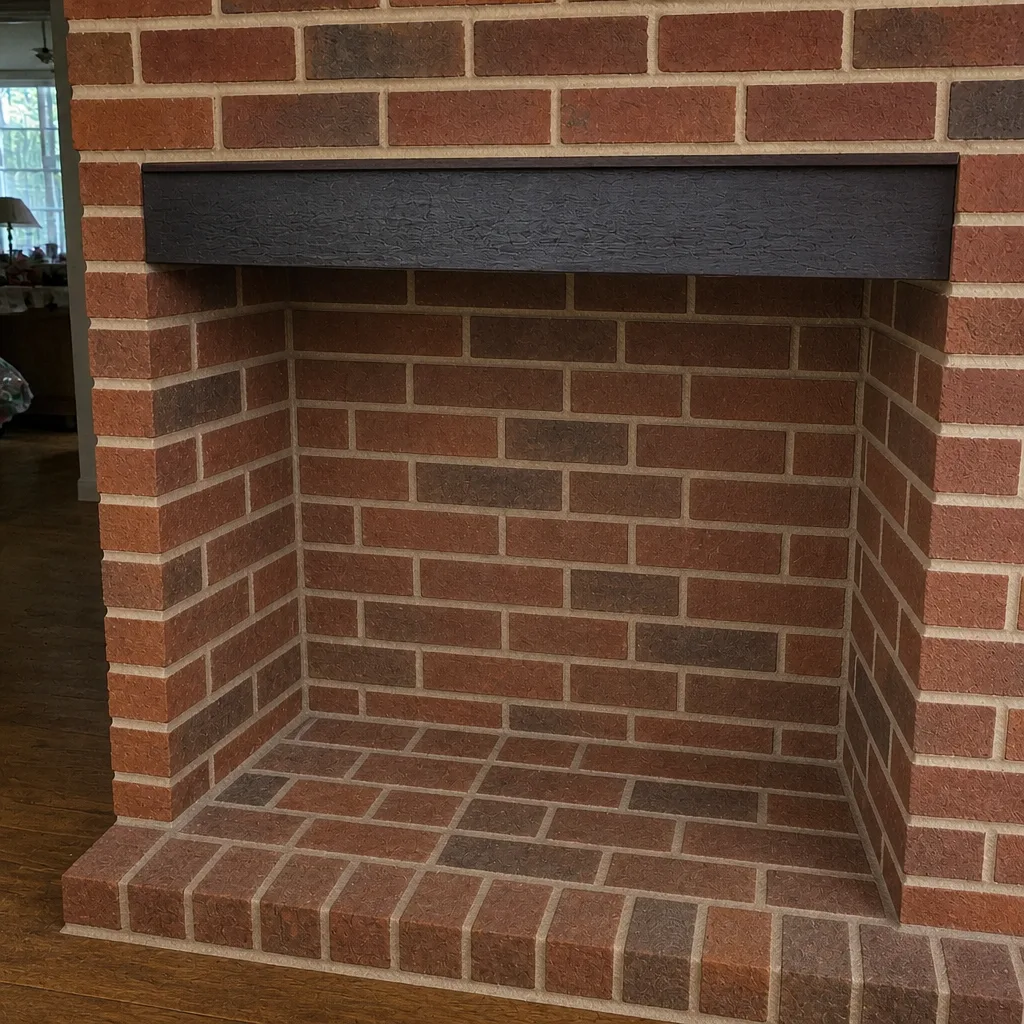
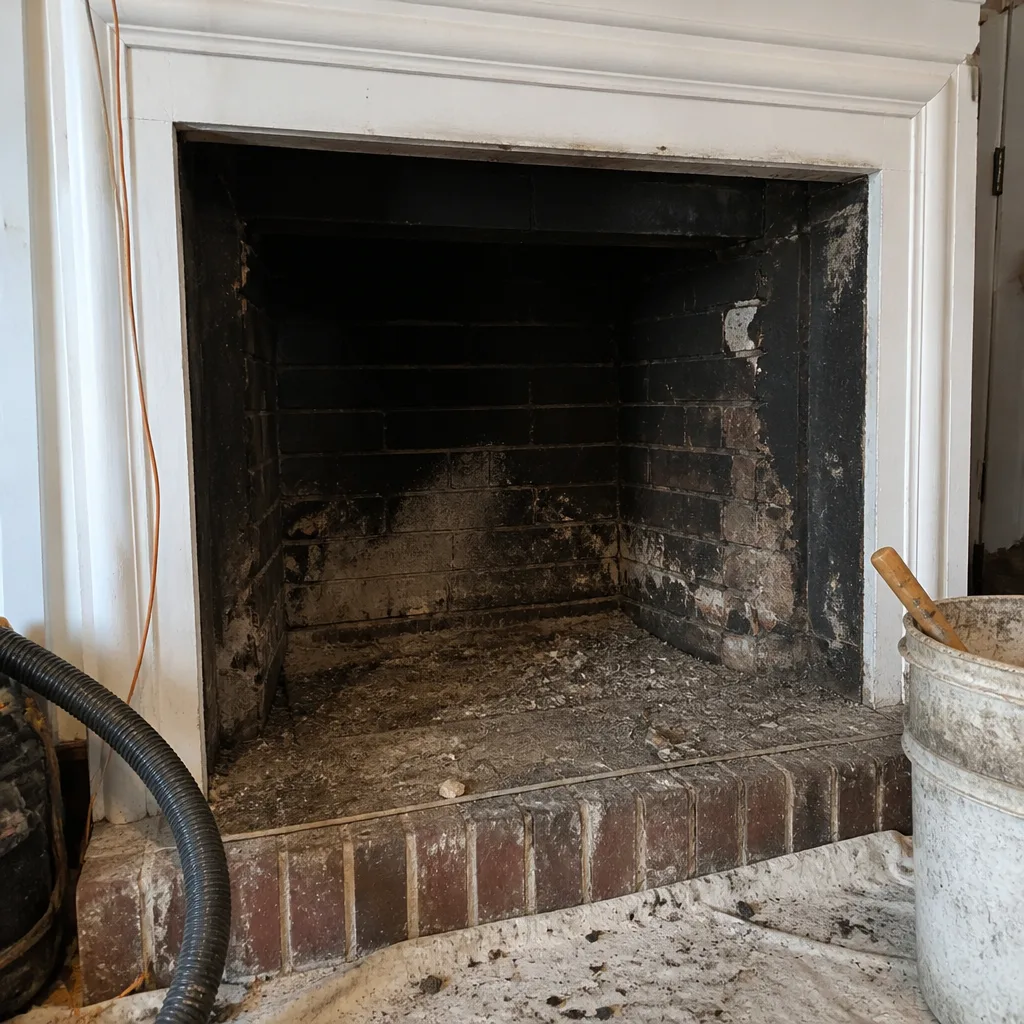
See the difference
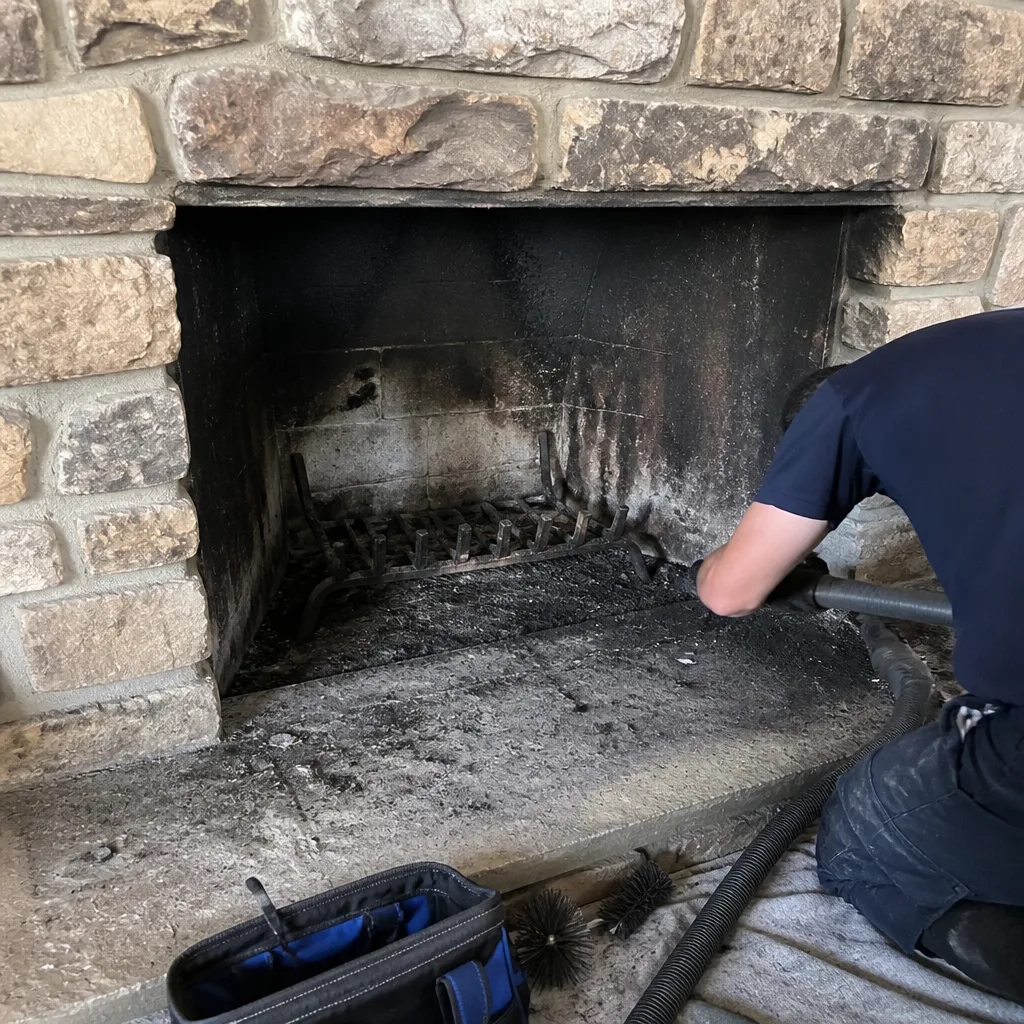 Before
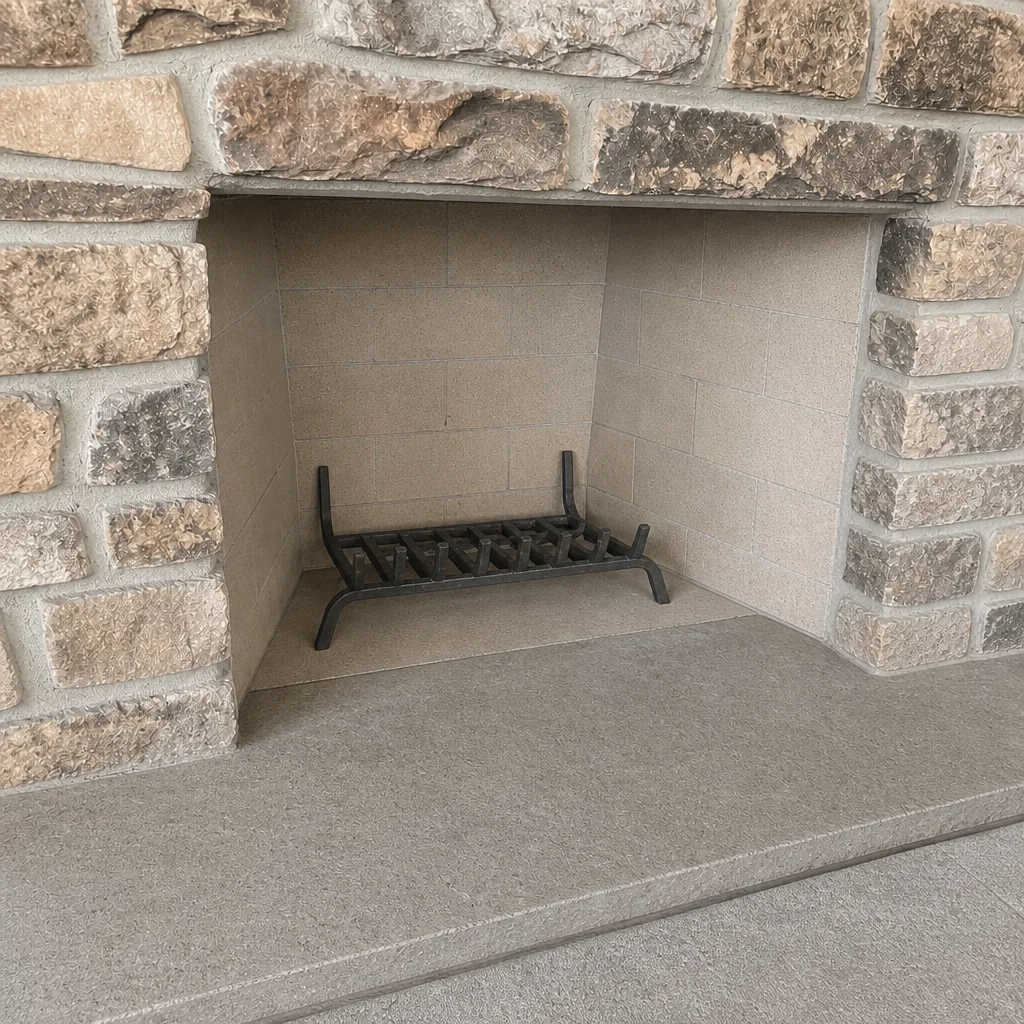 After
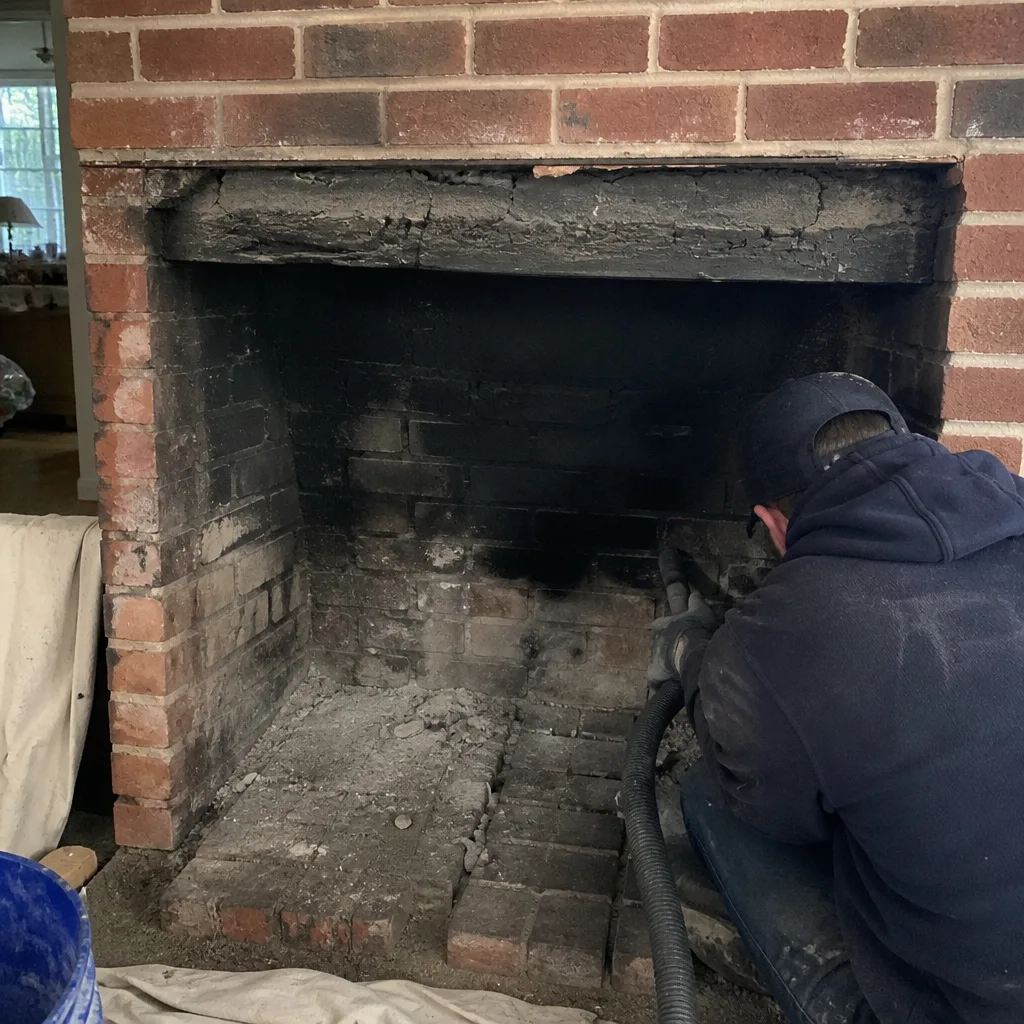 Before
 After
 Before
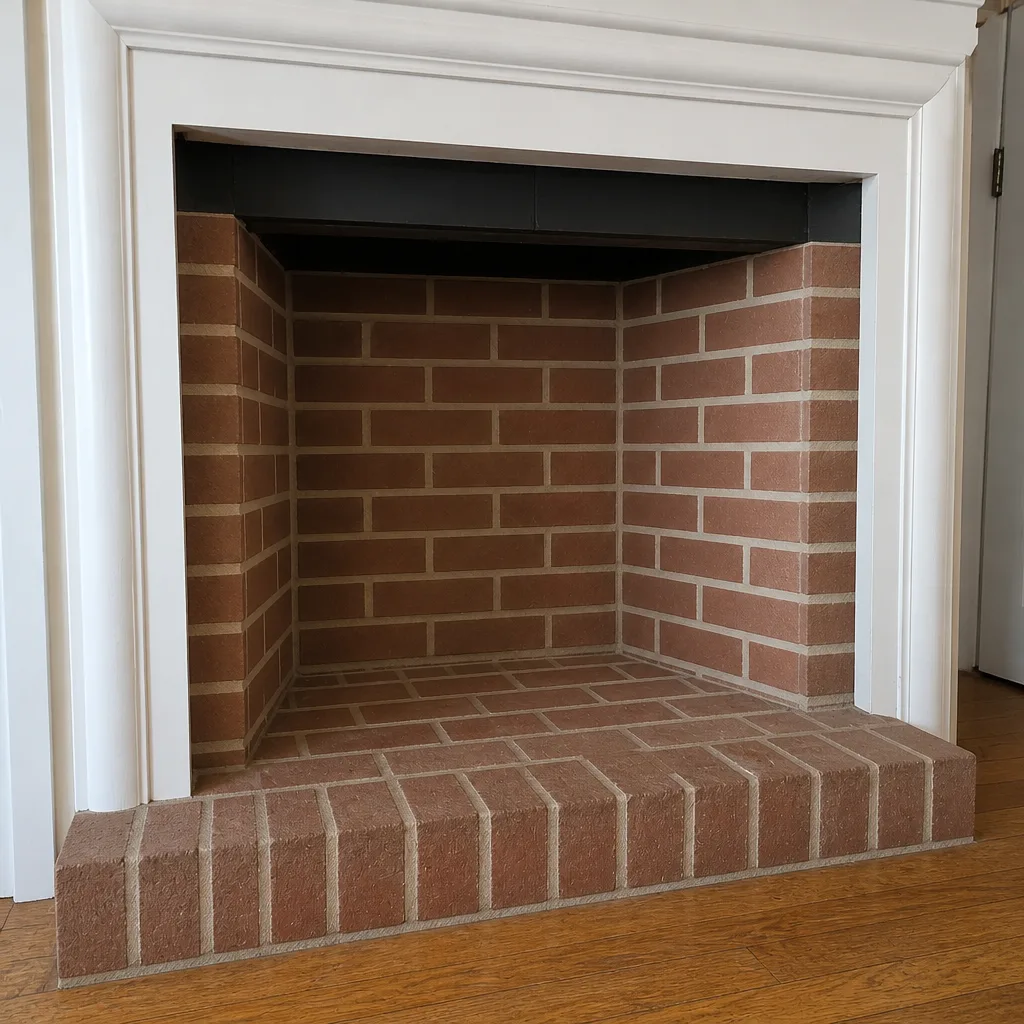 After
When to Call a Professional
Some chimney conditions are safe to watch, and some aren’t. Call a professional if you’re seeing smoke roll into the room when the damper is open, if you smell a strong acrid odor when the fireplace isn’t in use, if there’s visible cracking in the firebox or the brickwork above the roofline, or if you’ve never had the chimney inspected. Also call if your last fire produced a loud roaring sound or a shower of black flakes from the top of the chimney; that’s a sign of a creosote chimney fire and it needs an inspection before you burn again. Carbon monoxide is the other reason to take it seriously. A blocked or damaged flue can back combustion gases into the home, and a properly sealed, correctly sized liner is what prevents it. Chimney Sweep Plaza Midwood offers free estimates in Plaza Midwood – call (877) 320-6353 to book an inspection.
Frequently Asked Questions
Start with CSIA certification, then verify it through the CSIA directory yourself. Ask whether the contractor performs a camera inspection of the flue, ask to see photos before any repair is recommended, request a certificate of insurance, and confirm that any masonry work goes to a licensed general contractor. A contractor who passes all four filters is worth booking. Call (877) 320-6353 for a free estimate – the inspection is what tells you what your chimney actually needs.
You need a certified sweep for sweeping and inspection, and a licensed mason for structural masonry work like rebuilding a chimney or a crown. Many jobs need both skills, which is why the right question isn’t “who cleans the flue” but “who evaluates the whole system.” A sweep-only crew cleans the flue and may not be qualified to assess the liner or smoke chamber. Call (877) 320-6353 to schedule an inspection that covers from firebox to crown.
A legitimate chimney estimate includes an itemized scope naming each task, the product brand and type for any material, flue dimensions, and what’s excluded. A single “chimney cleaning” line with a price is not an estimate; it leaves the scope undefined. The written estimate sets the final price once the scope is confirmed. Call (877) 320-6353 for a free estimate with a written scope.
Sweep annually if you burn a cord of wood or more a year, and keep the annual inspection regardless of burn volume. Plaza Midwood’s older masonry chimneys with original clay tile liners benefit from annual inspection because cracks and gaps show up early in a camera pass. If you burn only a few fires a season, every other year for the sweep may be reasonable. Call (877) 320-6353 to book an inspection and get a straight answer for your chimney.
Ask for a current certificate of insurance and confirm it covers general liability. A contractor who does any work at height should carry it, and if there are employees on the roof, ask about workers’ compensation coverage as well. Check the NC Licensing Board for General Contractors for any structural masonry scope, and check the CSIA directory for certifications. Call (877) 320-6353 with questions about what we verify before booking.
A full-system contractor evaluates and repairs every component – firebox, smoke chamber, flue liner, cap, and crown – instead of only brushing the flue. In practice that means the right liner material (a DuraFlex stainless liner or HeatShield resurfacing), a correctly sized cap from Gelco or Famco, and a crown check on the same visit as the sweep. Call (877) 320-6353 for a free estimate that covers the whole system.
The Bottom Line
Hiring a chimney contractor in Plaza Midwood comes down to one test: does this person diagnose the whole system, or just clean the flue? CSIA certification is a starting point, not a finish line. Ask the five questions, demand camera images before any repair, read the estimate line by line, verify insurance and licensing, and watch for the Charlotte-market red flags – door hangers, on-the-spot pressure, no camera inspection. When a contractor can show you what’s wrong and what can safely wait, you’ve found the right hire. Chimney Sweep Plaza Midwood handles sweep, inspection, fireplace repair, chimney repair, and cap and crown work from firebox to crown. Call (877) 320-6353 for a free estimate.
Written by the team at Chimney Sweep Plaza Midwood.